Imagine a creature that hatched from its egg before the invention of the light bulb, before the first telephone call, and even before the last saber-toothed tiger roamed the earth. That creature is not a fossil in a museum it is still breathing, eating, and moving today. Across the vast tapestry of life on Earth, few stories are as humbling as that of the oldest known animal still alive. While humans measure their lives in decades, certain animals stretch their existence across centuries, silently witnessing history unfold.
In this article, we will explore the identity of the current record-holder for the oldest known living land animal, dive into other remarkable long-lived species, and uncover the biological secrets behind extreme longevity. We will also discuss conservation efforts and what these ancient beings teach us about resilience, time, and our own place in the natural world.
Chapter 1: The Reigning Champion – Jonathan the Seychelles Giant Tortoise
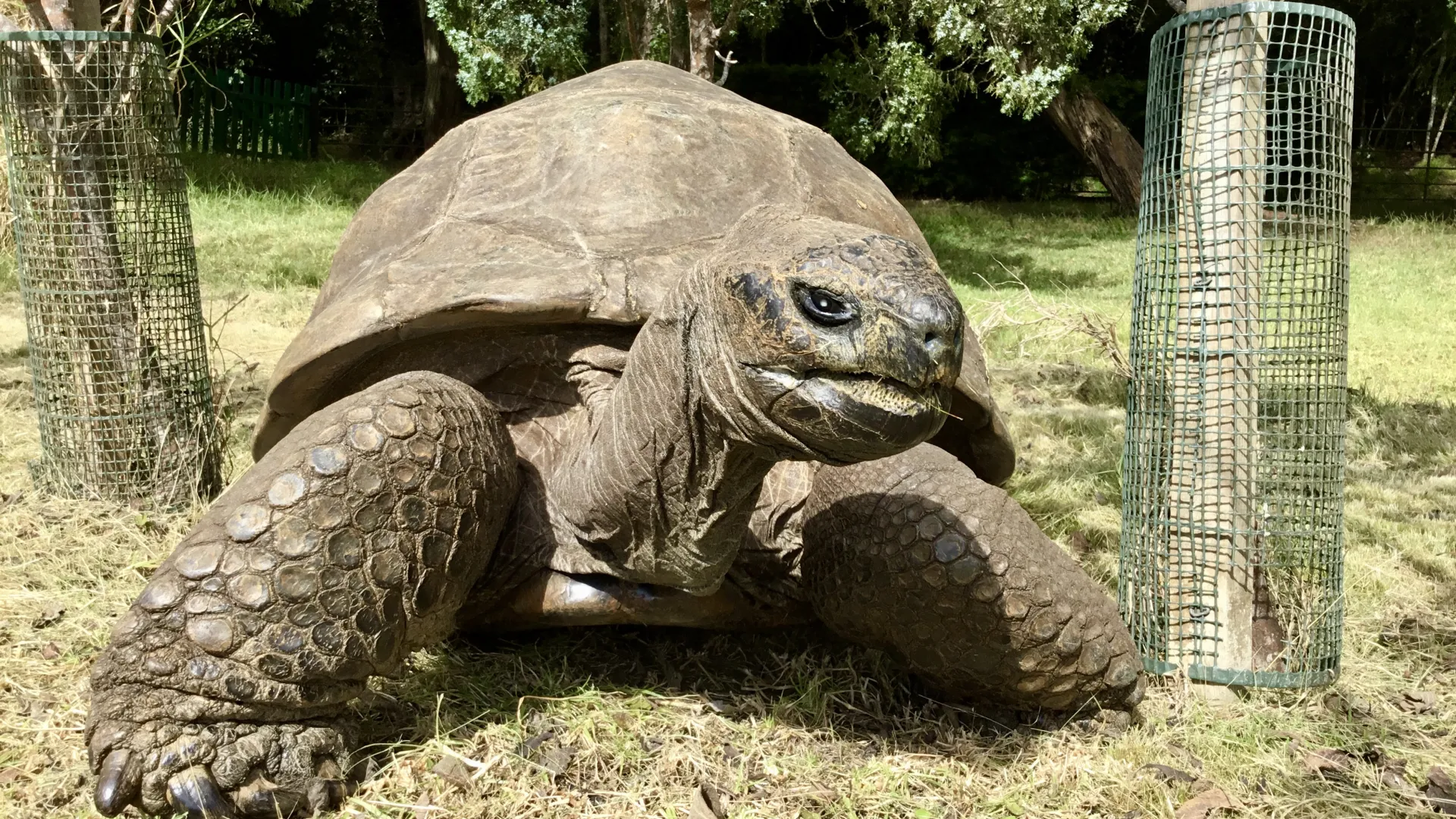
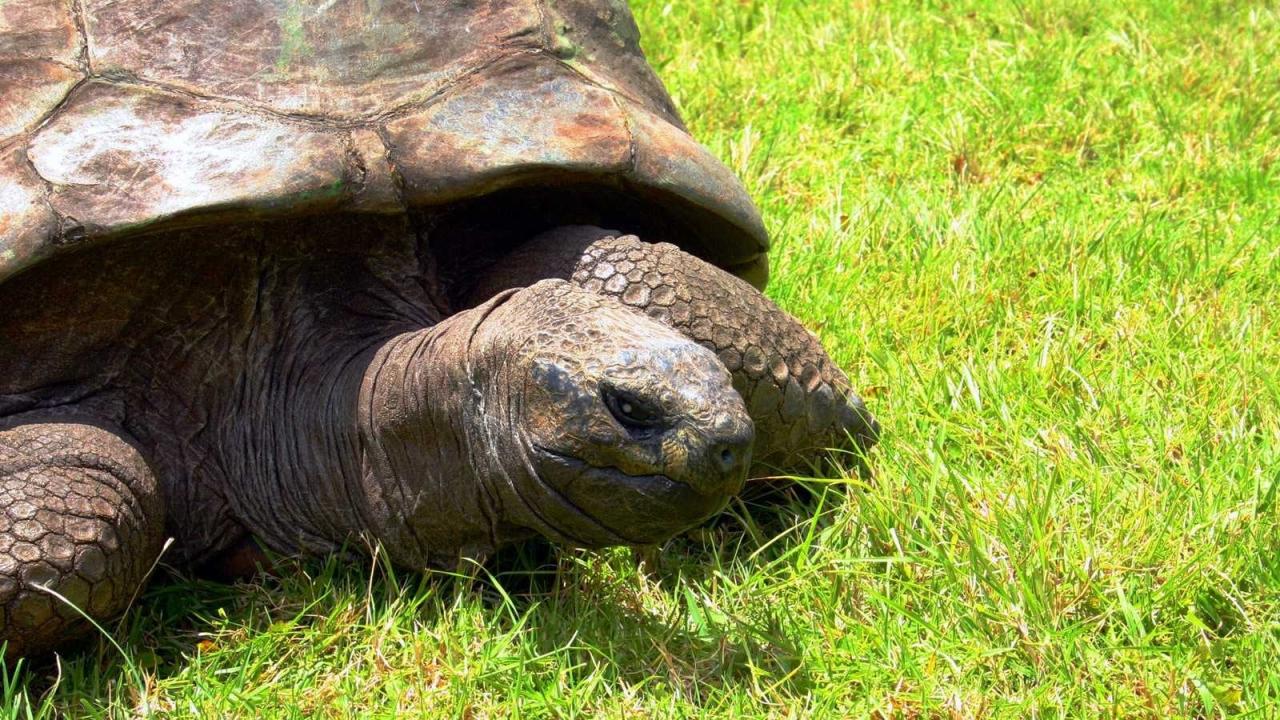
When discussing the oldest known animal still alive today, one name rises above all others: Jonathan. Jonathan is a Seychelles giant tortoise (Aldabrachelys gigantea hololissa), and as of 2026, he is estimated to be 194 years old.
A. Jonathan’s Exact Age and Birth Estimate
Jonathan was brought to the island of Saint Helena, a British Overseas Territory in the South Atlantic Ocean, in 1882. At the time of his arrival, he was already fully mature. Zoologists and veterinarians who have studied him consistently place his hatching year around 1832. That means Jonathan was born during the presidency of Andrew Jackson, before Queen Victoria ascended to the British throne, and before Charles Darwin published On the Origin of Species.
B. Physical Condition in 2026
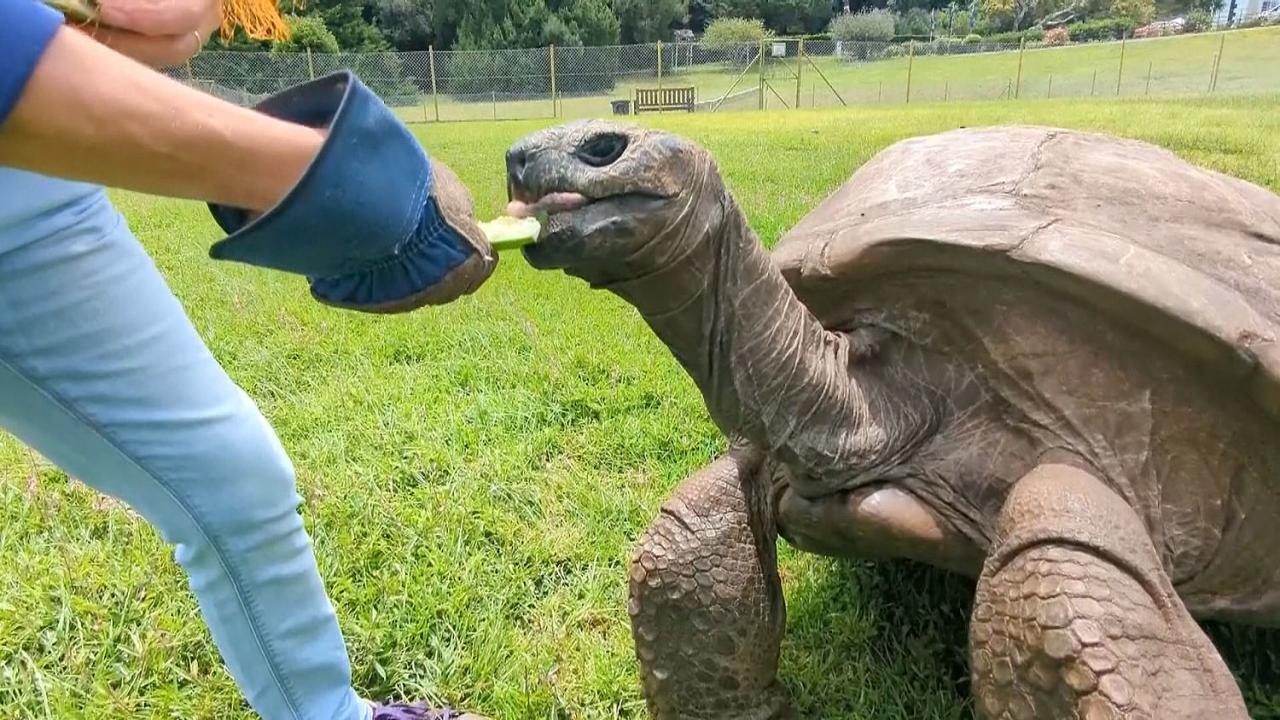
Remarkably, despite his advanced age, Jonathan remains active. He is blind in both eyes due to cataracts and has lost his sense of smell, but his hearing is still sharp. He continues to graze on grass, leaves, and fruits provided by his caretakers. His shell, though worn and cracked in places, still protects him. Jonathan has outlived every other animal in his enclosure, including several younger tortoises that arrived decades after him.
C. Guinness World Records Recognition
In 2022, Guinness World Records officially certified Jonathan as the oldest known living land animal. He surpassed the previous record held by Tu’i Malila, a radiated tortoise from Madagascar who died in 1965 at the age of 188. Jonathan is also the oldest chelonian (turtles, tortoises, and terrapins) ever documented.
D. Daily Life on Saint Helena
Jonathan lives on the lush grounds of Plantation House, the official residence of the Governor of Saint Helena. His daily routine is simple but consistent:
-
Morning: Basking in the sun to regulate body temperature.
-
Afternoon: Grazing on fresh grass, carrots, cucumbers, and apples.
-
Evening: Retreating to a sheltered area to sleep.
His caretakers, including local veterinarian Dr. Joe Hollins, monitor his weight, heart rate, and feeding habits weekly. Despite his blindness, Jonathan navigates his environment using memory and the warmth of the sun.
E. Why Tortoises Live So Long – Basic Biological Factors
A. Slow Metabolism: Giant tortoises have extremely slow metabolic rates, reducing cellular damage over time.
B. Efficient DNA Repair: Research on giant tortoise genomes shows enhanced mechanisms for repairing broken DNA strands.
C. Resistance to Cancer: Despite their size and long life, tortoises rarely develop cancer due to unique tumor-suppressing genes.
D. Low Predation Risk: On isolated islands like the Seychelles and Saint Helena, natural predators are absent, allowing evolution to favor longevity.
Chapter 2: Other Contenders – Animals That Nearly Match Jonathan
While Jonathan holds the title for oldest living land animal, several other species and individual animals have lifespans that rival or even exceed his, depending on the environment and how age is measured.
A. The Greenland Shark – A Silent Deep-Sea Elder
The Greenland shark (Somniosus microcephalus) is widely considered the longest-living vertebrate on Earth. Unlike Jonathan, who lives on land, this creature patrols the icy depths of the North Atlantic and Arctic Oceans.
-
Estimated Lifespan: Radiocarbon dating of eye lens tissue suggests that some Greenland sharks are between 250 and 500 years old.
-
Notable Individual: A female shark caught in 2016 was estimated to be around 392 years old, with a margin of error of 120 years.
-
Growth Rate: These sharks grow less than 1 centimeter per year, reaching sexual maturity only at around 150 years of age.
B. The Ocean Quahog – A Clam That Outlived Empires
Before Jonathan took the spotlight, the oldest known individual animal ever recorded was a mollusk called the ocean quahog (Arctica islandica).
-
Name: The specimen was nicknamed “Ming” because it was born during the Chinese Ming Dynasty (around 1499).
-
Age at Death: Scientists determined that Ming was 507 years old when it was collected off the coast of Iceland in 2006.
-
Cause of Death: Tragically, the clam was killed when researchers froze it during transport.
Unlike tortoises, quahogs are sedentary filter-feeders. Their longevity is attributed to extremely low metabolic rates and efficient antioxidant defenses.
 C. Bowhead Whales – The Arctic Mammal Marvel
Mammals are not known for extreme longevity, but the bowhead whale (Balaena mysticetus) breaks that rule.
-
Average Lifespan: Over 200 years, with several individuals estimated to be between 211 and 245 years old.
-
Evidence: Stone harpoon tips dating to the 1800s have been found embedded in the blubber of living bowhead whales.
-
Genetic Secrets: Bowhead whales possess unique mutations in genes related to DNA repair, cell cycle regulation, and cancer resistance.
D. The Immortal Jellyfish – Biological Cheating
The immortal jellyfish (Turritopsis dohrnii) does not age in the traditional sense. When injured or starving, it can revert its cells back to their earliest form (the polyp stage) and start its life cycle anew.
-
Theoretical Age Limit: Under ideal conditions, this jellyfish could live indefinitely. However, in practice, most are eaten by predators.
-
Key Distinction: While not “old” in calendar years, it is biologically ageless.
Chapter 3: How Scientists Determine the Age of Very Old Animals
Determining the age of an ancient animal is not as simple as counting candles on a birthday cake. Different methods are used depending on the species.
A. For Tortoises and Reptiles
A. Captive Records: For animals like Jonathan, detailed logs from zoos, botanical gardens, and private estates provide verifiable dates.
B. Size and Growth Rings: In wild tortoises, the scutes (plates) of the shell develop annual growth rings, similar to tree rings. However, this method becomes unreliable after 50–80 years.
C. Radiocarbon Dating: For dead specimens, scientists measure carbon-14 levels in shell or bone tissue to estimate birth year.
B. For Sharks and Whales
A. Eye Lens Radiocarbon Dating: The nucleus of the eye lens is formed before birth and never remodels. By measuring carbon-14 from Cold War nuclear testing (which created a global spike), researchers can date the lens tissue.
B. Harpoon and Artifact Evidence: As seen with bowhead whales, ancient hunting tools embedded in living animals provide a minimum age.
C. For Mollusks (Clams and Quahogs)
A. Annual Growth Lines: Ocean quahogs add a fine line to their shells every year, much like tree rings. Scientists count these lines under a microscope.
B. Cross-dating: Shells from different years are compared to ensure no lines were missed due to environmental stress.
Chapter 4: The Science of Extreme Longevity – What We Can Learn
Why do certain animals live for centuries while humans barely reach one? The answers lie deep in their DNA and physiology.
A. Telomere Maintenance
Telomeres are protective caps at the ends of chromosomes. In humans, telomeres shorten with each cell division, leading to aging. In giant tortoises and bowhead whales, telomeres do not shorten significantly over time.
B. Reduced Oxidative Stress
Oxidative stress occurs when unstable molecules (free radicals) damage cells. Long-lived animals have:
A. More efficient mitochondria that produce fewer free radicals.
B. Higher levels of natural antioxidants like glutathione and superoxide dismutase.
C. Delayed Reproduction
Animals that live longer often reach sexual maturity later in life. For example:
-
Giant tortoises: 20–30 years.
-
Greenland sharks: 150 years.
-
Bowhead whales: 20–25 years.
This delayed reproduction allows natural selection to favor genes that prevent aging-related diseases.
D. Implications for Human Medicine
Researchers are now studying the genomes of Jonathan, the bowhead whale, and the Greenland shark to develop therapies for age-related diseases in humans. Potential applications include:
-
Cancer prevention drugs inspired by whale genetics.
-
Wound healing and regeneration techniques based on the immortal jellyfish.
-
Muscle preservation in elderly humans using pathways found in tortoises.
Chapter 5: Conservation – Protecting Our Living Time Capsules
The oldest animals on Earth are not just scientific curiosities; they are living repositories of genetic and ecological data. Unfortunately, many are endangered.
A. Threats to Giant Tortoises
A. Habitat Loss: Only a few hundred wild Seychelles giant tortoises remain on Aldabra Atoll.
B. Invasive Species: Rats, cats, and pigs eat tortoise eggs and hatchlings.
C. Illegal Trade: Even today, tortoises are poached for their meat and shells.
D. Climate Change: Rising sea levels threaten low-lying nesting beaches.
B. Threats to Greenland Sharks
A. Bycatch: Thousands are accidentally caught in deep-sea trawling nets each year.
B. Slow Reproduction: Because they take over a century to mature, even a small increase in mortality can collapse populations.
C. Successful Conservation Efforts
Despite these threats, there are success stories:
-
The Aldabra Atoll, a UNESCO World Heritage Site, is strictly protected and home to over 100,000 giant tortoises.
-
Captive breeding programs in zoos across Europe and North America have reintroduced tortoises to several islands in the Indian Ocean.
-
Fishing regulations in Canada and Norway now require Greenland shark bycatch to be released alive.
Chapter 6: How You Can Help Protect Ancient Animals
Even if you live thousands of miles from Saint Helena or the Arctic, your actions matter.
A. Reduce Plastic Pollution
Older animals, especially sharks and whales, often ingest plastic debris. You can help by:
A. Using reusable bags, bottles, and straws.
B. Participating in local beach or river cleanups.
C. Supporting bans on single-use plastics.
B. Support Ethical Ecotourism
When visiting places like the Galápagos Islands or the Seychelles, choose tour operators that:
-
Keep a safe distance from wildlife.
-
Do not allow touching or feeding animals.
-
Contribute a portion of profits to local conservation funds.
C. Donate to Research Programs
Organizations such as the Tortoise Trust, Whale and Dolphin Conservation (WDC), and Shark Trust fund critical research on aging and habitat protection.
D. Spread Awareness
Share articles, documentaries, and social media posts about animals like Jonathan. Public attention is one of the strongest tools against poaching and habitat destruction.
 Chapter 7: Frequently Asked Questions (FAQ)
Here are some common questions about the oldest known animal still alive.
A. Is Jonathan the oldest animal that ever lived?
No. The ocean quahog clam “Ming” lived to 507 years, and some Greenland sharks may exceed 500 years. Jonathan is the oldest land animal currently alive.
B. Can Jonathan still reproduce?
Unlikely. While male tortoises can remain fertile for decades, Jonathan has not shown interest in mating since the 1990s. However, he still lives with three younger tortoises, including a female named Emma.
C. What does Jonathan eat today?
His diet consists of soft fruits, leafy greens, carrots, and vitamin supplements. His caretakers hand-feed him because of his blindness.
D. Are there any older animals in captivity?
No. Lonesome George (the last Pinta Island tortoise) died at 102. Other famous old tortoises include Harriet (died at 175) and Adwaita (claimed age 255, but unverified).
E. Could climate change affect Jonathan?
Indirectly yes. While he lives in a sheltered enclosure, rising ocean temperatures affect the shipping routes that bring his food supplies to Saint Helena. Warmer weather also increases the risk of shell infections.
Chapter 8: Final Thoughts – What Jonathan Teaches Us About Time
Standing near Jonathan at Plantation House, you would not see a creature grieving old age or fearing death. He does not measure his life in achievements, possessions, or legacy. He simply eats when hungry, rests when tired, and basks in the sun when it is warm. In that simplicity lies a profound lesson.
Human beings spend enormous energy fighting aging buying creams, undergoing surgeries, and consuming supplements. Yet here is an animal born before the modern era, blind and slow, but still thriving. Jonathan reminds us that longevity is not about stopping time, but about adapting to its passage with patience and resilience.
As we continue to search for the secrets of extreme aging in his DNA, we might also pause to admire the quieter truth: that life, even at nearly two centuries old, is still worth living. The oldest known animal still alive does not ask for fame or pity. He simply continues to exist, and in doing so, becomes a living bridge between the 19th century and our own.