Across the planet, nations face a silent but relentless enemy: animal infestations. These are not merely minor nuisances; they are full-scale biological invasions that threaten food security, public health, infrastructure, and native ecosystems. From the venomous spiders of Australia to the feral hogs tearing through American farmlands, every country has a unique “worst” creature that causes billions of dollars in damage annually. Understanding these infestations is the first step toward mitigating their impact. This comprehensive guide explores the most destructive animal infestation plaguing each region, revealing the shocking scale of a problem that unites humanity in an unexpected battle.
The Criteria for “Worst Infestation”
Before diving into specific nations, it is essential to define what makes an animal infestation the “worst.” The ranking is not solely based on the creature’s size or danger but on a combination of factors.
A. Economic Impact – The total cost of damage to agriculture, property, and infrastructure. For example, invasive rodents can destroy millions of tons of stored grain.
B. Public Health Risk – The number of human injuries, fatalities, and disease transmissions. Mosquitoes, despite their small size, lead this category globally.
C. Environmental Destruction – The erosion of native biodiversity. Invasive species often outcompete, eat, or destroy local flora and fauna, leading to extinction.
D. Scale and Persistence – How widespread the infestation is and how difficult it is to eradicate. Some pests have become permanent, unstoppable features of the landscape.
With these criteria in mind, let us travel continent by continent to uncover the worst animal infestation in each country.
Asia: The Epicenter of Swarming and Rodent Plagues
Asia, with its dense human populations and vast agricultural lands, suffers some of the most dramatic infestations. The warm, humid climate creates perfect breeding grounds for a variety of pests.
1. India – The Menace of the Indian Common Rat
India’s worst infestation is arguably the Indian common rat (Rattus rattus). These rodents are not just urban dwellers; they invade villages, fields, and food storage facilities on a massive scale. Each year, rats consume or contaminate nearly 20-30% of the country’s grain storage. They gnaw through electrical wiring, causing fires, and spread deadly diseases like leptospirosis and plague. Despite aggressive poisoning and trapping campaigns, their high reproductive rate a female can produce up to 60 offspring per year ensures the infestation never ceases.
2. China – The Desert Locust Swarms
China’s worst infestation comes from the sky: the desert locust (Schistocerca gregaria). A single swarm can contain 40 billion insects, covering hundreds of square miles. These swarms descend upon wheat, corn, and rice paddies, devouring every leaf and stalk within hours. In 2020, a massive locust wave from East Africa reached China’s borders, threatening the nation’s food security. The government deploys drones, satellite monitoring, and pesticide sprays, but the insects’ ability to travel 150 kilometers per day makes control nearly impossible.
3. Indonesia – The Venomous King Cobra Influx
In Indonesia, particularly on Java and Sumatra, the king cobra’s infestation is a terrifying reality. As deforestation pushes these snakes out of their natural habitat, they slither into villages, schools, and plantations. They are attracted to the abundant rats (another pest), but their presence is catastrophic. A single bite from a king cobra can kill an adult human within 30 minutes. It is estimated that over 10,000 cobras are removed from Indonesian communities each year. The “worst” aspect is not just the danger but the psychological trauma, causing villagers to live in constant fear.
4. Japan – The Raccoon Invasion
Ironically, the adorable raccoon is Japan’s worst non-native infestation. Brought over as pets after a popular cartoon aired in the 1970s, thousands were released into the wild. With no natural predators except for humans they have exploded in number. These raccoons dismantle roof tiles, destroy ancient Buddhist temples, attack native bird species, and raid crops. Japan spends over $300 million annually on trapping and damage repair, yet the population continues to grow.
North America: From Feral Hogs to Bed Bugs
North America faces a mix of large mammals and tiny insects, each creating unique nightmares for residents and farmers.
5. United States – The Feral Hog Catastrophe
The United States’ worst animal infestation is unequivocally the feral hog (Sus scrofa). There are now over 9 million feral hogs across 38 states, from Texas to Florida. These are not ordinary pigs; they are intelligent, aggressive, and destructive. A single sounder (group) of hogs can destroy 10 acres of farmland in one night, rooting up corn, peanuts, and watermelons. They cause an estimated $2.5 billion in agricultural damage annually. Moreover, they carry diseases like brucellosis and are known to attack humans, pets, and even calves. Hunting has proven ineffective because hogs adapt and become nocturnal. The only marginally successful method is large-scale aerial gunning, but even that barely keeps the population stable.
6. Canada – The Spruce Budworm Outbreak
In Canada, the worst infestation is not a mammal but a native insect turned super-pest: the spruce budworm (Choristoneura fumiferana). This tiny caterpillar defoliates millions of hectares of boreal forest each year. An outbreak can kill 90% of fir and spruce trees in a region, turning lush green forests into gray, dead tinderboxes prone to massive wildfires. The infestation cycles every 30-40 years, and the current outbreak in Quebec and Ontario is the worst in a century. The forestry industry loses billions in timber value, and the ecological ripple effect threatens caribou and bird habitats.
 7. Mexico – The Vampire Bat Scourge
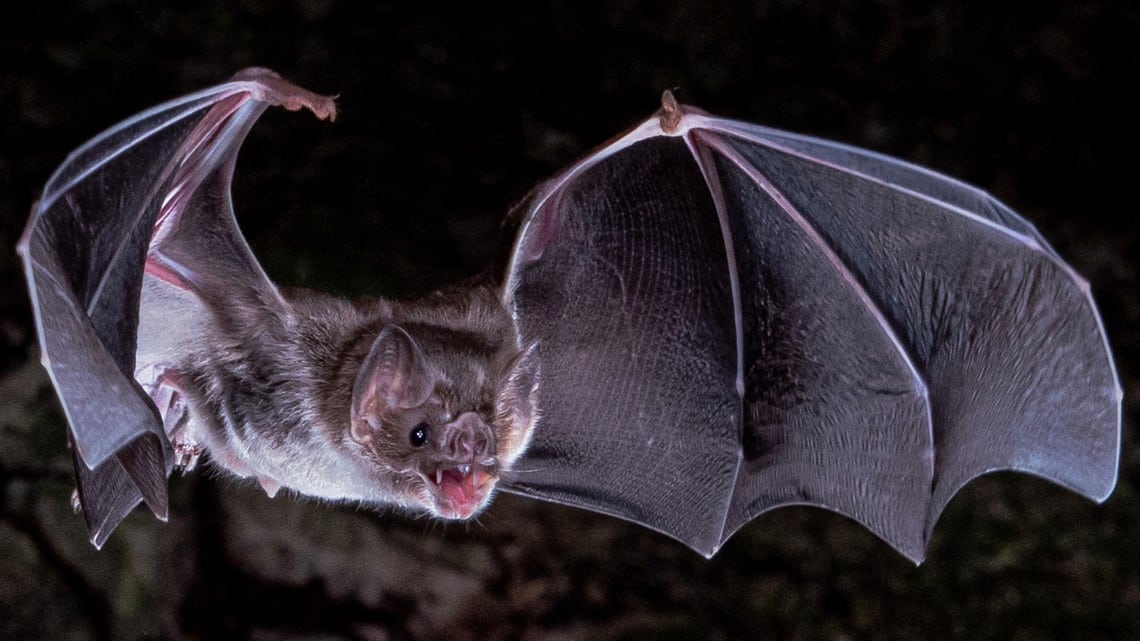
Mexico’s worst infestation involves the common vampire bat (Desmodus rotundus). While bats are generally beneficial, vampire bats have become a plague for Mexican cattle ranchers. Each bat drinks up to 15 milliliters of blood per night from livestock, leaving wounds that become infected with rabies. Thousands of cattle die from rabies each year, causing tens of millions of dollars in losses. The bats have also turned to humans in remote villages, and human rabies cases from bat bites have risen 40% in the last decade. Authorities use anticoagulant pastes on infected cows to kill the bats, but the bats’ intelligence and social grooming habits allow them to avoid the poison.
South America: The Reign of Fire Ants and Beetles
The tropical forests and fertile plains of South America harbor the highest density of arthropod infestations in the world. The heat and humidity allow insects to breed year-round.
8. Brazil – The Leafcutter Ant Armies
Brazil’s worst infestation is the leafcutter ant (Atta and Acromyrmex species). These ants are master farmers. They cut leaves, carry them underground, and use them to cultivate a fungus they eat. A single colony can have over 8 million individuals with a nest the size of a Volkswagen Beetle. They strip entire orange, cacao, and coffee plantations overnight. Farmers often abandon land after heavy infestations because the ants can remove 15% of total plant biomass. Poison baits work slowly, and the queens live for over a decade, ensuring the colony persists.
9. Argentina – The German Yellowjacket Wasp
In Argentina, especially in Patagonia and the Andean forests, the German yellowjacket wasp (Vespula germanica) is the worst invasive pest. Introduced accidentally in the 1970s, these wasps form super-colonies containing millions of individuals. They have no native predators or competitors. In summer, they attack fruit farms, ruining grape harvests for wine. More alarmingly, they swarm and sting tourists and locals, causing anaphylactic deaths each year. Their nests are often hidden underground, making them hard to find. The wasps also decimate native insect populations, including bees, disrupting pollination.
10. Peru – The Sandfly (Leishmaniasis Carrier)
Peru’s most devastating infestation is the sandfly, specifically the Lutzomyia species. These tiny flies are barely visible, but they transmit the parasite responsible for leishmaniasis. This disease causes flesh-eating ulcers that disfigure the nose, mouth, and limbs. In rural Andean and Amazonian regions, infection rates exceed 30%. Sandflies breed in leaf litter, rock crevices, and animal burrows. Because they are so small, standard mosquito nets are ineffective; only super-fine mesh works. The disease is now spreading to suburban areas near Lima, making it a growing national crisis.
Africa: The Big Players of Swarms and Flies
Africa faces some of the most notorious pests on Earth—creatures that have altered history and continue to shape the continent’s development.
11. Egypt – The Camel Tick Invasion
Egypt’s worst infestation is the camel tick (Hyalomma dromedarii). This tick is enormous, reaching the size of a grape when engorged. It clings to camels, cows, and even humans. Ticks transmit Crimean-Congo hemorrhagic fever, a virus with a 40% fatality rate. In the Nile Delta, ticks have infested homes, hiding in wall cracks and bedding. The ticks also cause severe anemia in livestock, reducing milk and meat production by 50%. Traditional acaricides are becoming ineffective due to resistance, and the ticks are now found on migratory birds, spreading across continents.
12. Nigeria – The Quelea Bird Plague
The red-billed quelea (Quelea quelea) is Africa’s most abundant wild bird, and Nigeria suffers its worst infestations. A single flock can contain 30 million birds, resembling a dark cloud moving across the savanna. They descend on rice, millet, and sorghum fields, consuming up to 20 tons of grain per day. Entire villages can face starvation after a quelea raid. The birds breed explosively after rains, and despite aerial spraying of fenthion (a toxic pesticide), the quelea population bounces back within months. They are the avian equivalent of locusts.
13. South Africa – The Black Widow Spider (Button Spider)
In South Africa, the button spider (Latrodectus indistinctus), a relative of the black widow, is the worst domestic infestation. These spiders thrive in urban environments—under toilet seats, in shoes, in garden tools, and inside children’s play equipment. Their neurotoxic venom causes latrodectism: severe muscle pain, chest rigidity, nausea, and, in rare cases, death. Pest control companies report that over 60% of homes in Cape Town and Johannesburg have at least one button spider. The infestation is “worst” because of the proximity to humans and the difficulty of eradication due to the spider’s reclusive, multi-egg-sac lifestyle.
Europe: The Rise of Invasive Exotics
Europe once had a relatively mild pest problem, but global trade and climate change have brought new, aggressive invaders.
14. United Kingdom – The Brown Rat and Grey Squirrel Double Threat
The United Kingdom faces a dual infestation, but the brown rat (Rattus norvegicus) is the undisputed king. There are an estimated 150 million brown rats in the UK—triple the human population of London. They live in sewers, subway tunnels, and restaurant kitchens. They gnaw through water pipes, causing floods, and chew car wires, causing breakdowns. The grey squirrel is a close second, stripping tree bark and causing the decline of native red squirrels. But the rat’s sheer numbers and disease vectoring (Weil’s disease, salmonella) make it the worst.
15. Germany – The Oak Processionary Moth
Germany’s worst infestation is the oak processionary moth (Thaumetopoea processionea). The caterpillars are covered in thousands of urticating (stinging) hairs that contain a toxin called thaumetopoein. When humans breathe in these hairs or touch them, they get severe skin rashes, eye irritation, and asthma attacks. The caterpillars march in nose-to-tail processions across oak trees in Berlin, Brandenburg, and Baden-Württemberg. Entire parks and school playgrounds are cordoned off during summer. Removal requires specialized vacuum trucks and full hazmat suits, costing German municipalities over €100 million annually.
16. Italy – The Asian Tiger Mosquito
Italy is overrun by the Asian tiger mosquito (Aedes albopictus). Arrived in the 1990s via tire shipments, it is now the dominant mosquito in all 20 regions. Unlike native mosquitoes, the tiger mosquito bites aggressively during the day and can transmit dengue, chikungunya, and Zika. They breed in any water source—from bottle caps to flowerpots to cemetery vases. The infestation has changed Italian lifestyle: people wear long sleeves in summer, and sales of repellents and electric zappers have skyrocketed. The city of Rome even launched a sterilization program using gamma-ray irradiated males, but the insect’s resilience is legendary.
Australia: The Venomous Continent
Australia is famous for dangerous animals, but the “worst infestation” is not always the most venomous—it is the most inescapable.
17. Australia – The House Mouse Plague
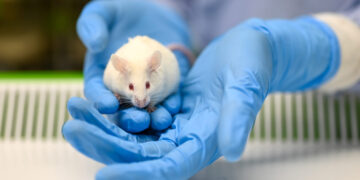
Australia’s most devastating infestation is the humble house mouse (Mus musculus). Every few years, after heavy rains in the grain belt of New South Wales and Queensland, mouse numbers explode into a biblical plague. In 2021, tens of millions of mice carpeted fields, homes, and hospitals. They chewed through electrical cables, causing house fires. They contaminated water tanks with their feces and urine. They gnawed into the bodies of sleeping infants (biting ears and fingers). Farmers lost entire silos of wheat worth hundreds of thousands of dollars. The mice also develop resistance to common poisons like bromadiolone. Trapping is futile; only a natural disease or a flood kills them. This cyclical plague arguably causes more human suffering in rural Australia than any snake or spider.
18. New Zealand – The Common Brushtail Possum
New Zealand’s worst infestation is the brushtail possum (Trichosurus vulpecula), introduced from Australia for the fur trade. Without natural predators, their numbers have reached over 70 million—more than 15 times the human population. They devour native trees like the kāmahi and rātā, stripping them bare until they die. They also eat the eggs of the iconic kiwi bird, pushing it toward extinction. Worse, possums carry bovine tuberculosis, infecting cattle and deer herds. The government spends over $100 million annually on possum control using aerial 1080 poison drops, which is highly controversial but effective for temporary reduction.
Islands and Small Nations: Unique Battles
Small island nations face unique infestations because they have fragile, isolated ecosystems.
19. Madagascar – The Locust Crisis
Madagascar suffers from the migratory locust (Locusta migratoria), which is worse here than almost anywhere else. Given that 80% of the population lives on subsistence agriculture, a locust plague is a hunger weapon. Between 2012 and 2014, locusts infested two-thirds of the country, destroying rice paddies, cassava fields, and vegetable gardens. The UN Food and Agriculture Organization required $40 million for emergency control. Despite spraying, the locusts breed in remote desert areas, repopulating after every rainy season.
 20. Sri Lanka – The Common House Gecko
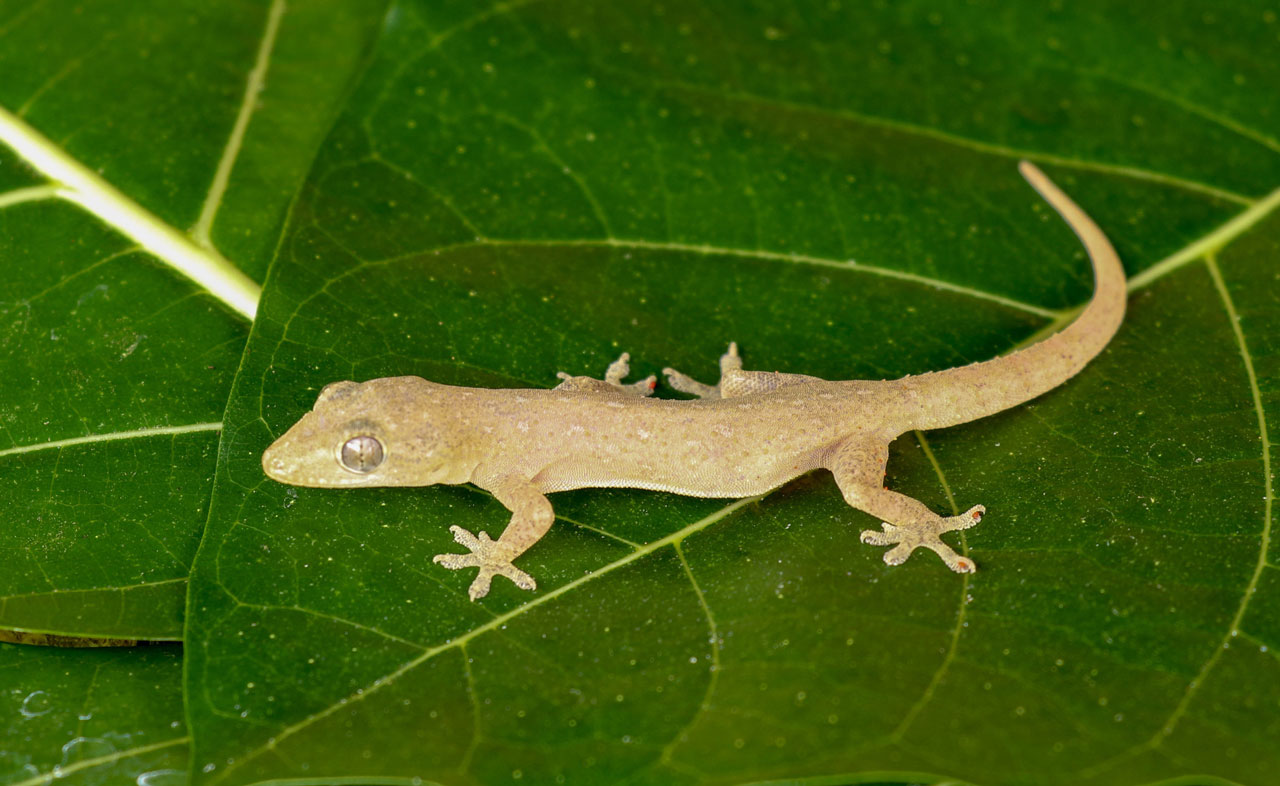
While harmless, the common house gecko (Hemidactylus frenatus) is Sri Lanka’s worst infestation by nuisance measure. Every house, hotel, and restaurant has hundreds of geckos on walls and ceilings. They drop feces on food and bedsheets, making a mess. They chirp loudly at night, disturbing sleep. And they short-circuit electrical boards by crawling into transformers. No one can eliminate them because they are protected by local superstition (considered good luck). The infestation is so bad that many tourists check out of hotels early.
Conclusion: The Global War Without End
From the feral hogs of the United States to the mouse plagues of Australia, every country has a creature that defines its pest-control nightmares. Climate change is accelerating these infestations. Warmer winters allow rats and insects to survive and reproduce for longer seasons. International shipping moves invasive species across oceans faster than ever before. To combat these infestations, humanity must adopt integrated pest management combining biological controls (introducing natural predators), chemical controls (judicious use of pesticides), and cultural controls (changing human behavior, such as better waste management).
The battle is far from won. But by understanding and naming the enemy every country’s worst animal infestation we prepare ourselves to fight back more intelligently.