For decades, the phrase “animal research cures human disease” has sparked intense scientific, ethical, and public debate. Yet, behind the controversy lies an undeniable reality: nearly every medical breakthrough of the last century depended on animal studies. From insulin therapy for diabetes to chemotherapy for cancer, from organ transplantation to COVID-19 vaccines, animal models have been the silent architects of modern medicine. This article explores how animal research continues to save millions of human lives, why no alternative method can fully replace it, and how ethical oversight ensures responsible scientific progress.
Why Animals Are Necessary for Medical Research
Humans share a staggering amount of biological similarity with other species. Mice, rats, rabbits, dogs, and non-human primates possess comparable organ systems, immune responses, and genetic structures. This similarity allows scientists to observe how diseases develop and how potential treatments interact with living tissue before any human trial begins.
A. Animals have short reproductive cycles, enabling researchers to study multigenerational effects, inherited diseases, and developmental abnormalities within months rather than decades.
B. Their biological environments can be strictly controlled—diet, housing, light cycles, and genetic background—reducing variables that would confuse data in human studies.
C. Invasive procedures, toxicological tests, and surgical experiments that would be unethical to perform on humans can be conducted safely on animals, protecting human volunteers from harm.
D. Many human diseases do not occur naturally in laboratory animals, but scientists can genetically engineer or surgically induce these conditions to model human illnesses accurately.
Without animal research, humanity would still be battling polio, measles, tuberculosis, and countless other killers that vaccines have nearly eradicated. The polio vaccine, developed through research on monkeys and mice, alone has prevented over 20 million cases of paralysis since the 1950s.
Historical Breakthroughs Achieved Through Animal Studies
Modern medicine’s greatest triumphs rest firmly on animal experimentation. Examining these milestones clarifies why scientists continue to rely on this method.
1. Insulin for Diabetes
Before 1921, a diagnosis of type 1 diabetes was a death sentence. Researchers Frederick Banting and Charles Best extracted insulin from dogs, then tested it on diabetic dogs before attempting the first human injection. Their animal work saved countless lives—today, insulin therapy allows diabetics to live full, healthy lives.
2. Polio Vaccine
Jonas Salk’s inactivated polio vaccine required extensive testing on monkeys, whose nervous systems respond to poliovirus almost identically to humans. Without primate studies, the vaccine’s safety and efficacy could never have been confirmed, and polio would still cripple hundreds of thousands of children annually.
3. Organ Transplantation
The first successful kidney transplant in 1954 depended on decades of prior research in dogs, pigs, and sheep. Surgeons learned how to reconnect blood vessels, manage rejection through immunosuppressive drugs, and preserve donor organs—all through animal models. Today, over 40,000 organ transplants occur yearly in the United States alone.
4. Chemotherapy for Childhood Leukemia
In the 1940s, childhood leukemia was uniformly fatal. Researchers using mouse models discovered that certain chemicals could kill rapidly dividing cancer cells. These animal experiments directly led to combination chemotherapy protocols, raising the five-year survival rate for pediatric acute lymphoblastic leukemia from zero to over 85%.
5. COVID-19 mRNA Vaccines
The rapid development of Pfizer-BioNTech and Moderna vaccines relied on prior animal research spanning two decades. Mice, hamsters, and monkeys received candidate vaccines first, confirming immune response and safety before any human received an injection. Without this animal foundation, global vaccination would have taken years, not months.
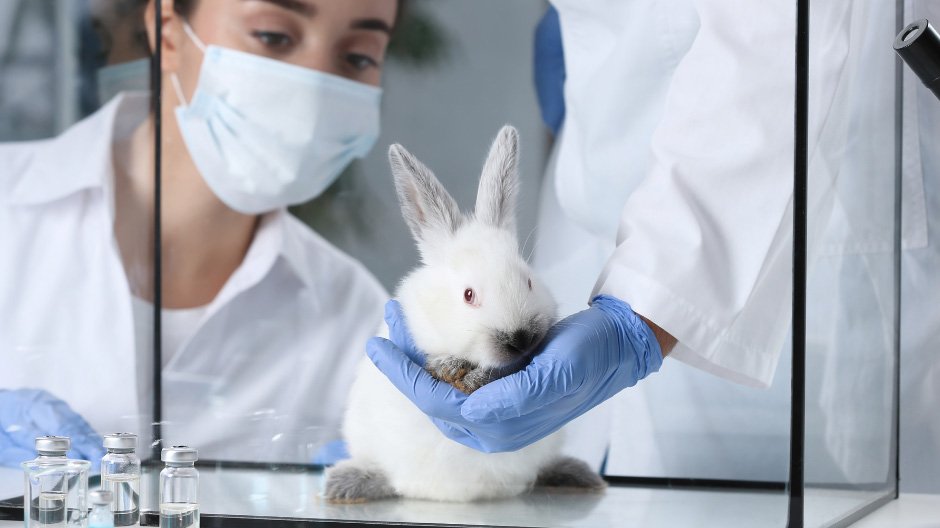 How Animal Research Guides Drug Development and Safety Testing
Before any new medication reaches a pharmacy shelf, it must pass rigorous safety and efficacy tests. Regulatory agencies like the U.S. Food and Drug Administration (FDA) and European Medicines Agency (EMA) mandate animal studies as a non-negotiable step.
The standard pathway for a new drug includes:
A. In vitro (test tube) studies using cell cultures to identify promising compounds.
B. Rodent toxicity testing to determine safe dosage ranges and identify obvious organ damage.
C. Non-rodent mammalian studies (often rabbits or dogs) to confirm findings in a different species, as some drugs harm one species but not another.
D. Chronic and reproductive toxicity studies using multiple animal generations to detect long-term cancers, birth defects, or fertility problems.
E. Large animal pharmacokinetic studies in pigs or primates to understand how the body absorbs, distributes, metabolizes, and excretes the drug before human trials begin.
This process is not cruelty—it is ethical protection. Every drug that caused unexpected human deaths, such as thalidomide (birth defects) or Vioxx (heart attacks), passed animal tests but still harmed humans. The goal of modern animal research is to fail dangerous drugs in animals before they ever touch a human patient.
Diseases Currently Being Conquered Through Animal Models
Animal research is not merely historical—it is actively driving cures for today’s most devastating illnesses.
Cancer Immunotherapy
Mice with humanized immune systems allow scientists to test checkpoint inhibitors like pembrolizumab (Keytruda), which releases the body’s own T-cells to attack tumors. These mouse models predicted human responses with remarkable accuracy, leading to durable remissions in metastatic melanoma and lung cancer.
Alzheimer’s Disease
Genetically modified mice carrying human amyloid precursor protein develop Alzheimer’s-like plaques and cognitive decline. Researchers use these models to test anti-amyloid antibodies, such as lecanemab (Leqembi), now approved to slow cognitive decline in early Alzheimer’s patients.
Spinal Cord Injury
Rats with induced spinal lesions have helped refine stem cell therapies and nerve growth factors. Several experimental treatments that restored walking ability in rats are now entering human clinical trials for paralysis.
Cystic Fibrosis
Pigs genetically engineered with the CFTR mutation (the cause of cystic fibrosis) develop lung and pancreatic disease identical to human patients. Studies in these pigs led to the development of Trikafta, a triple-combination drug that dramatically improves lung function and life expectancy.
Ebola and Other Hemorrhagic Fevers
Non-human primates infected with Ebola virus provided the critical testing ground for vaccines and antiviral drugs. The rVSV-ZEBOV vaccine, proven effective in human trials, would never have advanced without monkey studies showing sterilizing immunity.
Ethical Oversight: The Three Rs Framework
Opponents of animal research often portray laboratories as cruel, unregulated spaces. In reality, most developed nations enforce strict ethical regulations based on the Three Rs—a framework proposed by British scientists W.M.S. Russell and R.L. Burch in 1959 and now codified into law.
Replacement
Scientists must always consider non-animal alternatives first. Computer modeling, organ-on-a-chip technology, human cell cultures, and advanced imaging have replaced animals in many areas. For example, skin irritation testing now uses reconstructed human epidermis instead of rabbits.
Reduction
Where animals remain necessary, researchers use statistical design and advanced imaging to reduce the number required. Modern studies often obtain the same data from 50 animals that previously required 200, thanks to better experimental design and non-invasive monitoring.
Refinement
Every procedure must minimize pain, distress, and lasting harm. Animals receive anesthetics, analgesics, enrichment, and humane housing. When suffering cannot be relieved, euthanasia is mandatory. Institutional Animal Care and Use Committees (IACUCs) review every protocol before any animal work begins.
Additionally, laws such as the U.S. Animal Welfare Act, the UK Animals (Scientific Procedures) Act, and EU Directive 2010/63/EU mandate unannounced inspections, veterinarian oversight, and severe penalties for non-compliance. Violations result in license revocation, fines, and even imprisonment.
Can Alternatives Replace Animal Research Entirely?
This question dominates modern biomedical ethics. Alternatives have advanced dramatically, yet none currently offers a complete substitute.
Advantages of Alternatives:
A. Human cell cultures grown in petri dishes can test toxicity at the cellular level using human tissue directly.
B. Computer simulations and artificial intelligence models predict how drugs might interact with human proteins.
C. Organs-on-chips—microfluidic devices lined with living human cells—replicate some aspects of organ function, such as lung breathing or gut absorption.
D. Human volunteer microdosing gives very low drug doses to consenting subjects while using mass spectrometry to track metabolism.
Limitations of Alternatives:
A. Cell cultures lack immune systems, blood flow, nerve connections, and hormonal feedback loops—all critical for understanding real disease.
B. Computer models can only predict known pathways; unexpected side effects in one organ system (e.g., heart damage from a lung drug) remain invisible to silicon simulations.
C. Organs-on-chips cannot model complex interactions between multiple organ systems during chronic disease or pregnancy.
D. No alternative currently predicts long-term cancer risk, developmental toxicity to a fetus, or subtle neurological effects like depression or memory loss.
Thus, while alternatives reduce animal use, they have not yet eliminated the need for whole-living-system studies. Most scientists advocate for continued investment in alternatives alongside responsible animal research, not instead of it.
Common Misconceptions About Animal Research
Public misunderstanding fuels much opposition. Correcting these errors is essential for informed debate.
Myth 1: Animals do not predict human responses.
Fact: Animal studies predict human responses with high reliability for acute toxicity, pharmacokinetics, and mechanism-based efficacy. The correlation between rodent and human drug metabolism exceeds 70%, and for non-rodent mammals, it rises above 85%. Discrepancies usually arise from species differences that scientists already account for using multiple models.
Myth 2: Most animal experiments are cosmetic testing.
Fact: Cosmetic animal testing has been banned in the European Union, United Kingdom, India, South Korea, and several other nations. In the remaining countries where it persists (e.g., mainland China for imported cosmetics), the volume is minuscule compared to medical research. Over 95% of animal research today focuses on human disease, drug development, and basic biomedical knowledge.
Myth 3: Scientists are indifferent to animal suffering.
Fact: Survey after survey shows that biomedical researchers enter the field to heal humans, not harm animals. Most experience significant moral distress when animal sacrifice is necessary. Stringent ethical training, legal oversight, and professional standards make callous treatment extremely rare and severely punished.
Myth 4: No cures have come from animal research.
Fact: The list of animal-derived cures includes antibiotics (penicillin tested in mice), vaccines (polio, measles, mumps, rubella, hepatitis B, HPV), cancer chemotherapy, HIV antiretrovirals, asthma inhalers, blood pressure medications, statins for cholesterol, and surgical techniques from bypass to transplantation. To deny this evidence is to reject the foundation of modern medicine.
Real Patient Stories: The Human Faces Behind the Statistics
Numbers and research papers obscure the most important truth: people are alive today because animal research paved the way.
Case 1: Emily Whitehead (Childhood Leukemia)
In 2012, six-year-old Emily was dying of acute lymphoblastic leukemia after failing two rounds of chemotherapy. A then-experimental therapy called CAR-T cell therapy developed entirely in mouse models was her last chance. Scientists had spent twenty years learning to genetically reprogram a patient’s own T-cells to attack cancer, first in mice, then in dogs, then in small human trials. Emily received the treatment and has remained cancer-free ever since. Today, CAR-T therapy cures over 80% of relapsed pediatric leukemia patients. None of them would be alive without those mouse studies.
Case 2: Dr. Francis Collins and Cystic Fibrosis
As a young physician, Francis Collins watched children die of cystic fibrosis before age ten. Later, as a geneticist, he used animal models to identify the CFTR gene in 1989. But identifying the gene was only the first step. Pig and mouse models allowed researchers to test thousands of potential drugs. In 2019, Collins stood beside CF patients celebrating the approval of Trikafta a drug that adds decades of healthy life. “Without those pigs,” Collins said, “we would have failed.”
Case 3: James Harrison’s Blood (Rh Disease)
Before 1968, babies born with Rh incompatibility often suffered fatal anemia or brain damage. Researchers using rhesus monkeys developed Rh immune globulin (RhoGAM), which prevents a mother’s immune system from attacking her unborn child. James Harrison, who had unusual antibodies in his blood, donated plasma containing these antibodies for over 60 years. His donations, standardized through animal research, saved over 2.4 million babies from stillbirth and brain damage. Harrison died in 2025, but the treatment validated and optimized in animal models continues to protect newborns daily.
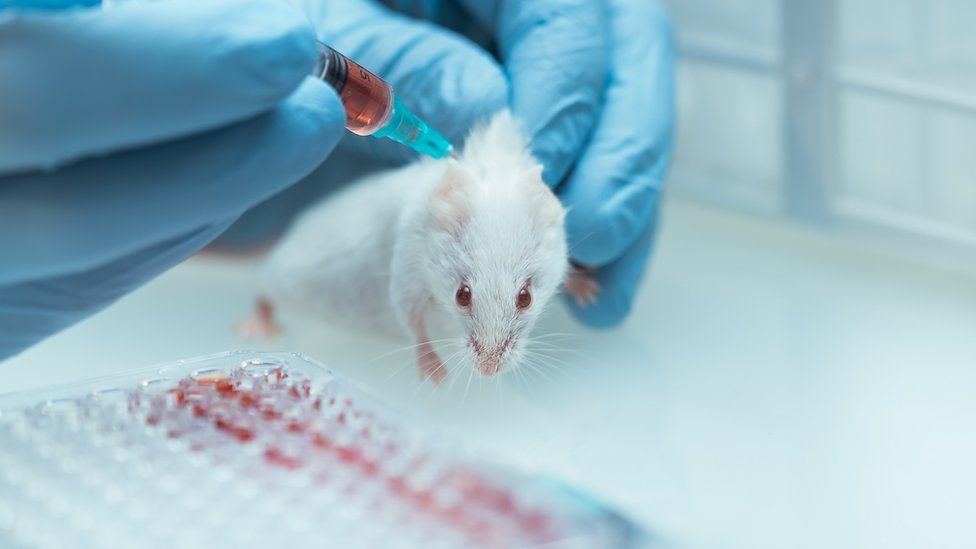 The Future: Reducing Animal Use While Advancing Cures
The biomedical community is not static. Scientists actively seek to reduce, refine, and replace animal models through technological innovation.
Promising developments include:
A. Organoids miniature, three-dimensional organ-like structures grown from human stem cells. Liver organoids already predict drug toxicity more accurately than animal tests for certain compounds.
B. Microphysiological systems (body-on-a-chip) connected chips representing multiple organs (liver, heart, lung, kidney) using human cells, allowing researchers to observe how a drug passes through the body.
C. In silico clinical trials computer simulations using virtual patient populations derived from real human genetic and physiological data. These models can predict drug safety and efficacy without any animals or early human volunteers.
D. Advanced imaging and biomarkers non-invasive techniques like PET scans, MRI, and liquid biopsies that allow longitudinal studies in the same animal, reducing the total number needed.
However, even these advanced technologies require validation against animal models before regulators accept them. The transition away from animal research will be gradual, not revolutionary, and will depend on continued investment in alternative methods.
Conclusion: Honest Dialogue Requires Honest Facts
Animal research remains one of the most controversial yet indispensable tools in human medicine. No responsible physician or scientist denies the suffering that laboratory animals sometimes endure. But neither can any honest person deny the millions of human lives saved, the billions of human years of healthy life added, or the incurable diseases now treatable because of animal studies.
The way forward is not to ban animal research outright a step that would freeze medical progress and cost countless lives but to continue refining ethical standards, investing in alternative methods, and reducing animal use wherever possible. Societies that have severely restricted animal research, such as Switzerland’s 1992 ban on certain animal experiments, soon discovered that patients simply traveled abroad for treatments developed elsewhere. Disease knows no borders, and neither does the need for responsible medical progress.
As you consider your own position on animal research, ask not only whether animals should suffer. Ask also whether your grandmother should have died of a stroke prevented by animal-tested blood thinners. Ask whether your child should die of leukemia that mouse studies could have cured. Ask whether we should abandon the search for an Alzheimer’s cure because that search requires transgenic mice.
There is no perfect answer. But for hundreds of millions of people alive today and billions more who will live tomorrow animal research has been, and continues to be, the difference between death and life.