
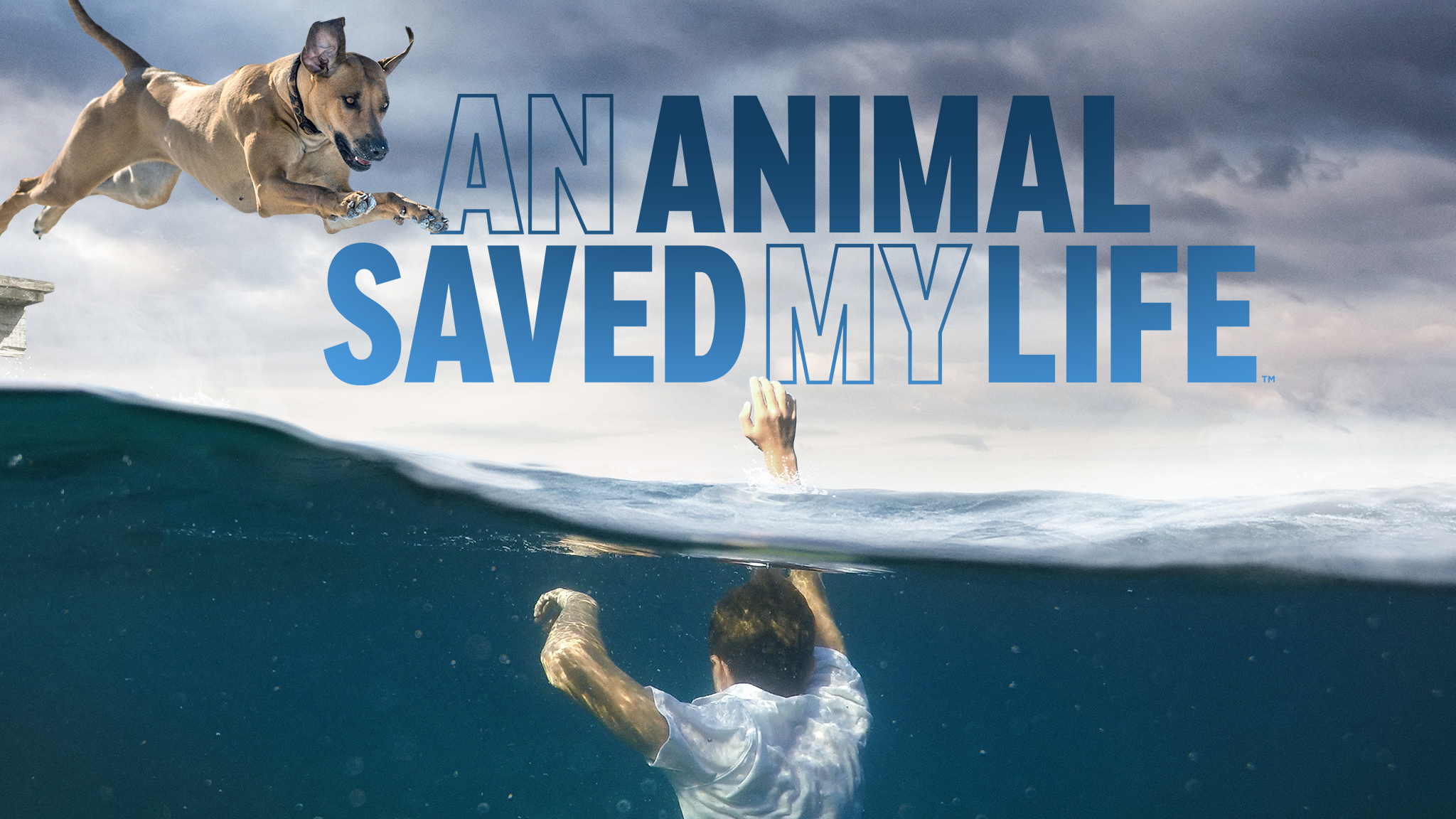
In recent days, a story has swept across social media platforms, capturing the hearts of millions worldwide. It is the kind of tale that restores faith in the bond between humans and animals—a bond that goes beyond companionship and enters the realm of true heroism. The headline is simple yet powerful: Viral Animal Saves Owner’s Life. But behind those five words lies a dramatic, pulse-pounding sequence of events that unfolded in a quiet neighborhood, turning an ordinary pet into an extraordinary lifesaver.
This article will take you deep into the incident, exploring every detail from the animal’s early warning signs to the owner’s emotional recovery. We will also discuss the science behind animal instincts, compare similar heroic cases, and offer practical advice on how to recognize when your pet might be trying to save you. By the end, you will understand why this story resonated so strongly and why animals are far more perceptive than we often give them credit for.
The Incident: A Night Turned Critical
It was a typical Tuesday evening in a suburban home. The owner, a 58-year-old man named Michael, had been feeling slightly unwell throughout the day. He dismissed it as fatigue from work and decided to go to bed early. Little did he know, his faithful dog, a 4-year-old Golden Retriever named Max, had already noticed something unusual.
Hours later, at approximately 2:15 AM, Michael’s condition took a sudden and dangerous turn. Unbeknownst to him, he was experiencing a severe nocturnal hypoglycemic episode—a dangerous drop in blood sugar levels. As a diabetic, Michael was aware of the risks, but this attack came without the usual warning signs. He fell into a deep, unresponsive state, unable to call for help or even reach for his emergency glucose kit.
This is where Max entered the scene. The dog, who normally slept soundly at the foot of the bed, became agitated. He began pacing, whining softly, and nudging Michael’s hand with his cold nose. When there was no response, Max escalated his actions. He jumped off the bed, ran to the bedroom door, and used his paws to scratch loudly against the wood. The sound echoed through the house, waking up Michael’s teenage daughter in the adjacent room.
She initially thought Max needed to go outside, but when she opened the door, the dog did not run toward the backyard. Instead, he ran back to Michael’s bedside, placed his front paws on the mattress, and let out a sharp, urgent bark. That was the moment she realized something was terribly wrong. She shook her father, found him unresponsive, and immediately called 911. Paramedics arrived within minutes, administered emergency glucose, and stabilized Michael just in time.
Later, doctors confirmed that without Max’s persistent intervention, Michael would likely have fallen into a diabetic coma, with potentially fatal consequences. The story, once shared on social media by Michael’s daughter, accumulated over 15 million views in less than 48 hours. Max was officially declared a hero.
Why This Story Went Viral
The rapid spread of this story was not accidental. Several psychological and emotional factors contributed to its massive reach. Below is a breakdown of the key reasons:
A. Emotional Impact – The story triggers a powerful emotional response: relief, gratitude, awe, and love. People are naturally drawn to narratives where good triumphs over danger, especially when an innocent animal plays the hero role.
B. Relatability – Millions of people own pets. The idea that their own cat, dog, or even bird could save them one day makes the story personally relevant. It encourages sharing as a form of “feel-good” reassurance.
C. Visual and Video Evidence – In this case, the family had a home security camera that captured Max’s desperate attempts to wake the household. The 47-second clip, shared widely, provided undeniable proof, making the story more credible and shareable.
D. Breaking Stereotypes – Many people still view animals as purely instinct-driven creatures without complex emotions. Stories like this challenge that outdated belief, sparking discussion and debate, which further fuels virality.
E. News Cycle Alignment – The story broke during a slow news weekend, leaving digital media outlets hungry for uplifting content. Major news networks, animal blogs, and even medical pages picked it up, creating a snowball effect.
The Science Behind Animal Rescue Behavior
How did Max know that his owner was in danger? Was it luck, trained behavior, or something deeper? Animal behaviorists have studied similar cases for decades, and the answer lies in a combination of acute senses and emotional bonding.
1. Olfactory Detection
Dogs possess up to 300 million olfactory receptors in their noses, compared to about six million in humans. When Michael’s blood sugar dropped, his body chemistry changed. He began producing excessive amounts of isoprene, a naturally occurring chemical compound that spikes during hypoglycemia. Max detected this change long before any physical symptoms appeared.
2. Auditory and Visual Cues
Even subtle changes in breathing patterns, heart rate, or body movements can be noticed by attentive pets. Max likely heard Michael’s breathing become shallow and irregular. When his nudging and whining produced no response, the dog understood that the situation was abnormal.
3. Empathy and Bonding
Research shows that dogs release oxytocin—the same “love hormone” humans produce—when interacting with their owners. This emotional bond creates a genuine motivation to protect. Max was not following a command; he was responding to a deep-seated drive to keep his human safe.
4. Learned Behavior vs. Instinct
While some animals are specifically trained as medical alert dogs, Max had received no such training. His actions were purely instinctual, which makes the story even more remarkable. It suggests that the capacity for lifesaving intervention may be latent in many domestic animals.
 Similar Cases of Animal Heroes
Max is far from the only animal to have saved a human life. Across the globe, countless pets have performed extraordinary rescues. Below is a curated list of similar verified cases:
A. The Cat Who Detected a Seizure – In Oregon, a cat named Lily began pawing at her owner’s face and meowing loudly minutes before the owner suffered an epileptic seizure. The family was able to position the owner safely and call for medical help.
B. The Parrot Who Alerted a Fire – In Florida, an African Grey parrot named Tiko started screaming “Fire! Fire!” at 3:00 AM. The family woke up to find the kitchen engulfed in flames. They escaped with seconds to spare.
C. The Hamster’s Unexpected Warning – A hamster in the UK began frantically running on its wheel and squeaking unusually in the middle of the night. The owner woke up to check on it and discovered a gas leak. The hamster’s hyperactive behavior saved the entire household.
D. The Horse That Blocked Danger – In Wyoming, a horse named Duke refused to enter a stable. He stood sideways, blocking the door. Minutes later, the stable roof collapsed. Duke’s refusal saved his owner, who had been about to walk inside.
E. The Dolphin Rescue – Off the coast of New Zealand, a dolphin circled a swimmer and slapped the water repeatedly. The swimmer initially thought the dolphin was being aggressive, but then saw a great white shark approaching. The dolphin guided the swimmer back to shore safely.
These examples prove that heroism is not limited to dogs or even to mammals. It is a universal quality found in animals that share close bonds with humans.
Lessons Learned: How to Recognize When Your Pet Is Trying to Save You
Many people ignore their pet’s unusual behavior, dismissing it as boredom, hunger, or simple mischief. However, the story of Max teaches us that certain signs should never be ignored. Below is a practical guide:
A. Sudden Persistent Whining or Barking – If your normally quiet pet becomes vocal and will not stop, investigate immediately. Do not assume it wants food or to go outside if it has already been fed and walked.
B. Unusual Physical Contact – Pay attention if your pet keeps nudging, pawing, licking, or even lightly biting a specific part of your body. They may be detecting a localized medical issue such as a tumor, infection, or internal injury.
C. Agitation or Pacing – Animals have excellent internal clocks. If your pet becomes restless at an unusual hour (like 2:00 AM) and does not settle down, something may be wrong with you or your environment.
D. Refusal to Leave Your Side – A pet that follows you everywhere, even into the bathroom or up and down stairs repeatedly, may be sensing a gradual health change such as a blood pressure drop or an oncoming seizure.
E. Behavioral Regression – If a fully house-trained pet suddenly has accidents indoors or destroys furniture, do not punish it immediately. First, check for environmental dangers like gas leaks, carbon monoxide, or even an intruder.
F. Alerting Other People – Some animals will run to another family member or neighbor instead of staying with the affected person. This shows advanced problem-solving. Always trust that gesture.
G. Checking Your Breath – If your pet repeatedly sniffs your mouth, especially when you are sleeping or resting, it may be checking your respiratory rate or detecting chemical changes caused by diabetes, kidney disease, or other metabolic disorders.
Medical Alert Training: Can Any Pet Learn This?
While Max acted on instinct, it is possible to train many pets to perform similar lifesaving tasks. Medical alert training is most common for dogs, but cats and even ferrets have been successfully trained. Below is an overview of the process:
A. Scent Training – For conditions like diabetes or seizure disorders, you can collect saliva or sweat samples during an active episode (under medical supervision). Freeze these samples. Then, use them to teach your pet to recognize the scent.
B. Reward Association – Every time your pet shows interest in the scent sample, reward it with a high-value treat. Over weeks and months, the pet learns that the specific odor leads to a positive outcome.
C. Alert Behavior Shaping – Once the pet consistently identifies the scent, you shape a specific alert behavior such as pawing, nudging, or bringing a medical alert device. Clicker training is highly effective here.
D. Generalization – Practice in different rooms, at different times of day, and with different family members. The pet must learn to alert regardless of environment or who is present.
E. Public Access Training – If you need your pet to accompany you outside the home, professional certification is recommended. In many countries, medical alert animals have legal protections for public access.
It is important to note that not every pet has the temperament or drive for this work. Attempting to force training can cause anxiety. Always consult a professional animal behaviorist.
The Emotional Aftermath for Michael and Max
Following the incident, Michael spent two days in the hospital for observation. Doctors adjusted his insulin regimen and recommended a continuous glucose monitor. When he returned home, the reunion with Max was filmed by his daughter and became another viral clip—this time showing the dog jumping for joy, tail wagging uncontrollably, and refusing to leave Michael’s side for the next 48 hours.
Michael told reporters, “I always loved Max, but now I look at him differently. He’s not just my dog. He’s my guardian. I owe him my life.” The family has since started a small fundraiser to donate glucose monitoring devices to low-income diabetic patients in Max’s name. As of this writing, over $12,000 has been raised.
Max has received honorary pet hero awards from two animal welfare organizations. His photo, wearing a tiny custom cape, has been shared over half a million times. Yet, despite the fame, Max remains the same gentle dog who simply wanted to protect his person.
Potential Drawbacks and How to Avoid Unnecessary Alarm
While celebrating animal heroism, it is also fair to acknowledge a potential downside. After stories like this go viral, some pet owners become hyper-vigilant, interpreting every bark or scratch as a medical emergency. Below are guidelines to maintain balance:
A. Rule Out Basic Needs First – Always check if your pet’s food bowl is empty, water is available, or if it needs to eliminate. Most behavioral changes are related to basic needs.
B. Consider Environmental Triggers – Loud noises, stray animals outside, or changes in furniture arrangement can explain restlessness without any medical emergency.
C. Keep a Behavior Log – If your pet frequently exhibits “alert-like” behavior but no emergency ever occurs, record the timing and context. You may discover a pattern such as anxiety or a neighbor’s schedule causing stress.
D. Consult a Veterinarian – Sudden changes in pet behavior can also indicate health problems in the pet itself, such as pain, cognitive decline, or sensory loss. Rule out pet illness first before assuming it is alerting to your own condition.
E. Do Not Self-Diagnose – Even if your pet alerts you repeatedly, do not skip professional medical evaluation. Pets can sometimes be wrong or overreact. Always use medical devices (like glucose meters or blood pressure cuffs) to confirm before taking medication or drastic action.
 The Future of Human-Animal Medical Detection
The story of Max adds to a growing body of evidence that animals can play a formal role in healthcare. Researchers are currently developing electronic sensors inspired by canine olfaction. These “electronic noses” could one day be built into smartwatches or home monitors, providing early warnings for conditions like diabetes, epilepsy, and even certain cancers.
Until that technology becomes widely available, however, millions of people will continue to rely on the natural, four-legged heroes sleeping at the foot of their beds. The bond is ancient, yet each new viral story reminds us how little we still know about the depths of animal perception and loyalty.
Final Thoughts
The viral story of an animal saving its owner’s life is more than a feel-good headline. It is a testament to the extraordinary connection that can exist between species. It challenges us to be better observers, better listeners, and better caretakers. Max did not understand viral fame, medical terminology, or the concept of death. He understood love. And love, as this story proves, is the most powerful alert system in the world.
As you close this article, take a moment to observe your own pet. Watch its eyes, its ears, its tail. Watch the way it watches you. What seems like simple companionship may actually be a silent, constant vigil. And one day, without warning, that vigil might just save your life.