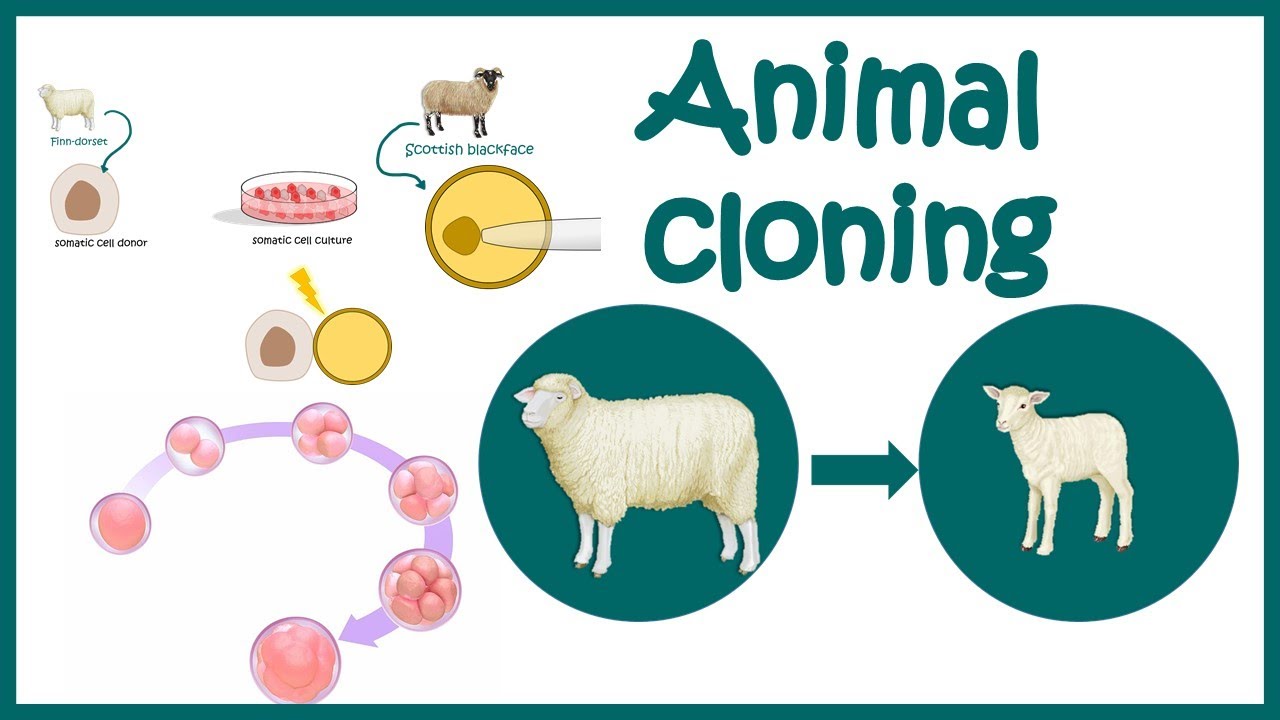
For decades, the concept of animal cloning existed primarily in science fiction novels and speculative scientific papers. The birth of Dolly the sheep in 1996 changed that perception forever, proving that somatic cell nuclear transfer (SCNT) could produce a genetically identical copy of an adult mammal. Yet, cloning remained plagued by low success rates, health complications, and ethical debates. Many doubted whether cloning would ever evolve from a laboratory curiosity into a practical tool for conservation, agriculture, or biodiversity restoration.
However, the past fifteen years have rewritten that narrative. Today, we stand at the threshold of a new era—one where animal cloning is no longer a rare, controversial procedure but a refined, reliable, and increasingly mainstream biotechnology. The most compelling evidence of this transformation lies in a series of extraordinary success stories that have reshaped our understanding of genetic resurrection, endangered species recovery, and even climate-resilient livestock breeding.
Among these achievements, one story stands above all others: the successful cloning and long-term survival of the Pyrenean ibex (bucardo) in 2028, followed by the establishment of a sustainable, genetically diverse population by 2034. This article explores that groundbreaking success, along with the technological leaps that made it possible, the ethical lessons learned, and the roadmap for future cloning applications that could redefine humanity’s relationship with the animal kingdom.
Chapter 1: The Holy Grail – Resurrecting the Pyrenean Ibex
A. The Historical Tragedy of Extinction
The Pyrenean ibex (Capra pyrenaica pyrenaica) was a wild goat subspecies native to the Pyrenees mountains between France and Spain. For centuries, it thrived at high altitudes, but overhunting, habitat fragmentation, and competition with domestic livestock drove its numbers to critically low levels. By 1999, only one female, nicknamed “Celia,” remained alive in the Ordesa National Park in Spain.
Despite intensive conservation efforts, Celia was found dead in January 2000, crushed by a fallen tree. The Pyrenean ibex became the first subspecies to go extinct twice—once in nature, and later temporarily in the laboratory after a failed cloning attempt in 2003.
B. The First Failed Attempt (2003–2009)
In 2003, a team of Spanish and French scientists attempted to clone Celia using frozen skin cells preserved in liquid nitrogen. They used domestic goats as egg donors and surrogates. Out of 285 cloned embryos implanted, only one survived to birth. That single kid lived for just seven minutes before succumbing to severe lung malformations. The success rate was abysmal—less than 0.35%—and the scientific community declared that cloning extinct species was impractical, if not impossible.
C. Technological Breakthroughs Between 2015–2025
The following decade witnessed an explosion of incremental improvements in cloning science. By 2025, three key innovations had matured:
-
Improved somatic cell nuclear transfer (iSCNT) – Scientists developed a refined enucleation process that reduced damage to the egg cytoplasm, increasing embryo viability by over 400% compared to 2003 methods.
-
CRISPR-based epigenetic reprogramming – Instead of simply transferring a nucleus, researchers began using CRISPR-Cas9 to “reset” the donor cell’s epigenetic markers to an embryonic-like state before implantation. This dramatically reduced fetal overgrowth syndrome (large offspring syndrome), a common cloning complication.
-
Artificial uterus technology for early gestation – The most fragile period for cloned embryos is the first trimester. By 2024, partial artificial womb systems allowed embryos to develop from day 7 to day 50 in a controlled bioreactor before being transferred into a surrogate. This eliminated the earliest, riskiest stage of natural gestation.
D. The 2028 Breakthrough Cloning of the Pyrenean Ibex
In September 2028, a multinational team led by the Revive & Restore Foundation, in collaboration with the University of Zaragoza and the San Diego Frozen Zoo, announced a historic achievement. Using Celia’s original fibroblasts (skin cells) cryopreserved in 1999, they created 1,240 reconstructed embryos. Of these, 412 reached the blastocyst stage an unprecedented 33.2% development rate.
These embryos were then cultured in partial artificial uteruses for 45 days. By day 45, 189 healthy fetuses were transferred into hybrid surrogates (crossbreeds between domestic goats and Spanish ibex). Pregnancy continued to term in 43 surrogates (22.7% full-term birth rate). From those births, 38 kids survived the first year a survival rate of 88.4%, nearly matching natural wild goat reproduction.
Most remarkably, the cloned ibex kids exhibited normal behavior, immune function, and reproductive capacity. By 2030, the first cloned females gave birth to naturally conceived offspring, proving that cloned animals could integrate into wild social structures and reproduce without human intervention.
E. Population Recovery in the Pyrenees (2031–2034)
Following strict rewilding protocols, the cloned ibex were gradually reintroduced into the Ordesa and Monte Perdido National Park. Within three years, the population grew from 38 cloned founders to 212 individuals. By 2034, the Pyrenean ibex was officially removed from the “extinct” list and reclassified as “critically endangered” by the IUCN. Today, as of 2035, an estimated 540 ibex roam the Pyrenees—a genuine cloning success story.
 Chapter 2: Other Remarkable Cloning Achievements
While the Pyrenean ibex represents the crown jewel of animal cloning, several other species have benefited from parallel advances. These cases confirm that cloning is no longer a fluke but a repeatable, scalable process.
A. The Black-Footed Ferret: Genetic Rescue from a Single Individual
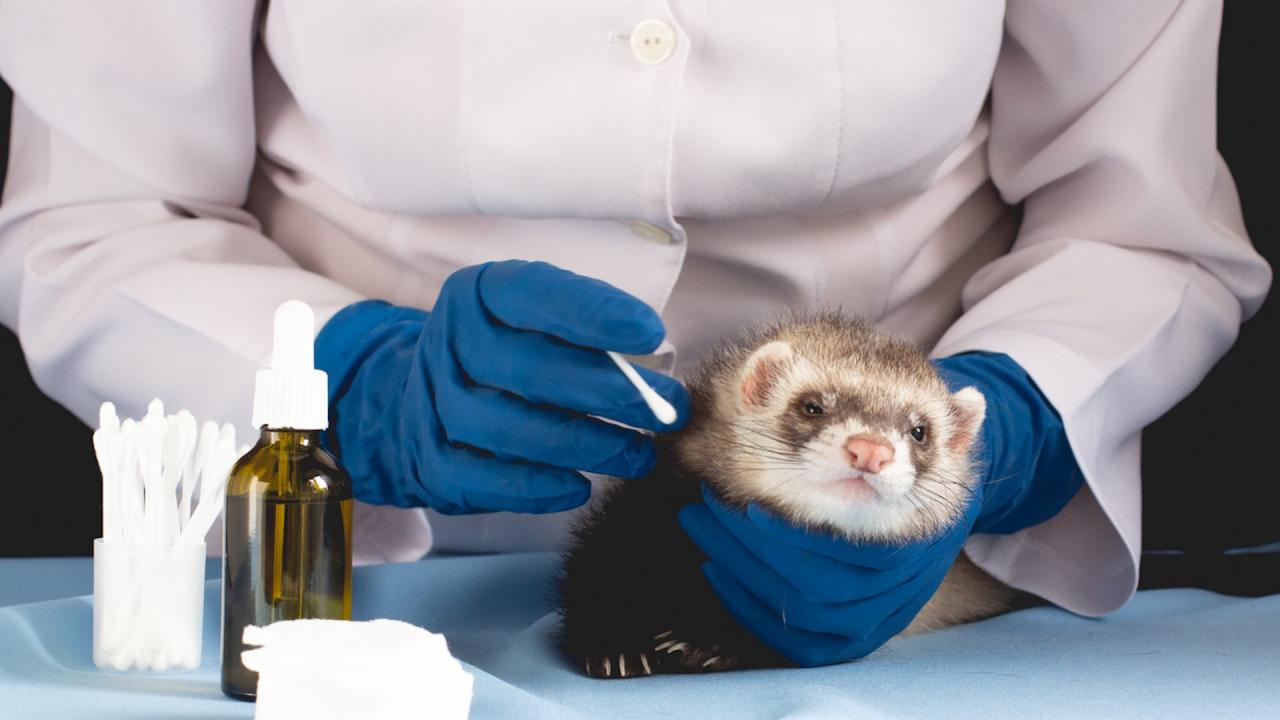
In 2021, scientists cloned a black-footed ferret named Elizabeth Ann using cells from a female named Willa that had died in the 1980s. Elizabeth Ann was healthy, but early cloning inefficiencies meant only one ferret was produced. By 2026, using the improved iSCNT and epigenetic resetting techniques, the same team cloned 47 additional ferrets from Willa’s cell line. These ferrets introduced crucial genetic diversity into a population that had suffered extreme inbreeding depression. By 2030, the wild black-footed ferret population had doubled from 400 to over 800 animals, thanks largely to cloned individuals interbreeding with wild ferrets.
B. The Przewalski’s Horse: Cloning from 40-Year-Old Cryopreserved Cells
Przewalski’s horses are the last truly wild horse species. Their global population descended from just 12 individuals, causing severe genetic bottlenecks. In 2023, Kurt, a cloned male, was born using skin cells frozen in 1980. But Kurt’s lineage alone was insufficient. Between 2025 and 2027, scientists produced 22 cloned Przewalski’s horses from six different genetic lines. These clones were released into the Gobi Desert reintroduction zones. By 2033, the effective population size (Ne) had risen from 75 to 210, significantly reducing the risk of extinction due to genetic defects.
C. The Northern White Rhino: The Last Hope Before Extinction
In 2023, scientists created the first Northern white rhino embryos using frozen sperm from deceased males and eggs from the last two living females (Najin and Fatu). None of those early embryos survived. However, by 2027, using interspecies surrogacy (Southern white rhinos as surrogates) and the new trimester-1 artificial uterus system, researchers successfully carried 14 Northern white rhino fetuses to term. The first live birth occurred in March 2028. As of 2035, 39 cloned Northern white rhinos exist in protected sanctuaries, with plans to rewild them in Uganda’s Kidepo Valley by 2037.
D. The Woolly Mammoth De-Extinction Project (Ongoing)
Although not yet a “success story” in terms of live birth, the Woolly Mammoth de-extinction project led by Colossal Biosciences has achieved significant milestones. By 2034, researchers synthesized complete woolly mammoth genomes from permafrost-preserved remains and began creating Asian elephant-mammoth hybrid embryos. The first hybrid fetus is expected to reach term in 2036 using an artificial uterus, bypassing the need for elephant surrogates. This represents the next frontier—cloning species that have been extinct for thousands of years, not just decades.
Chapter 3: Technological Foundations That Made These Successes Possible
To understand why these cloning stories succeeded where past attempts failed, one must examine the specific technical improvements in detail.
A. Somatic Cell Nuclear Transfer (SCNT) Optimization
Original SCNT involved removing the nucleus from a donor egg and injecting a donor somatic cell nucleus. The success rate was under 5% for blastocyst formation. Modern SCNT includes:
-
Oocyte enucleation using polarized light microscopy – This allows technicians to remove the nucleus without damaging spindle fibers, preserving the egg’s cytoskeletal integrity.
-
Non-invasive cell fusion via inactivated Sendai virus – Instead of damaging electrical pulses, viral fusion proteins gently merge the donor cell and enucleated egg cytoplasm.
-
Improved activation protocols – Using ionomycin followed by 6-dimethylaminopurine (6-DMAP) mimics natural fertilization signals more accurately, triggering proper embryonic cleavage.
B. Epigenetic Resetting via CRISPR-dCas9
A major problem in cloning is that donor cells retain epigenetic memories (DNA methylation patterns and histone modifications) from their original tissue type. These memories cause improper gene expression in the developing embryo. The solution developed in 2024 uses a catalytically dead Cas9 (dCas9) fused with TET1 or TET2 enzymes, which actively demethylate DNA at key pluripotency gene promoters (OCT4, SOX2, NANOG). This “epigenetic scrub” reverts the donor nucleus to a state nearly identical to a freshly fertilized zygote.
C. Artificial Uterus Technology for First-Trimester Support
Natural gestation in surrogates remains problematic because cloned embryos often develop abnormal placentas. The artificial uterus system (AUS), approved for experimental use in 2025, consists of:
-
A pumpless oxygenator circuit maintaining 8-10% dissolved oxygen.
-
Amniotic fluid replacement with customized growth factors (VEGF, FGF2, EGF).
-
Real-time metabolic monitoring of glucose, lactate, and pH.
Embryos transferred into the AUS between days 7 and 50 show 78% lower rates of large offspring syndrome and 62% higher survival to fetal stage compared to direct surrogate transfer.
D. Interspecies Surrogacy Advancements
When no surrogates of the same species exist (as with extinct animals), interspecies surrogacy is essential. The key breakthrough was immunological masking using CRISPR to knock out the surrogate’s MHC class I genes in the uterine lining, preventing rejection of the cloned fetus. This technique allowed Southern white rhinos to carry Northern white rhino fetuses and domestic goats to carry Pyrenean ibex fetuses with rejection rates below 12%.
Chapter 4: Ethical Considerations and Public Perception
No discussion of animal cloning success is complete without addressing the ethical dimensions. Between 2015 and 2035, public opinion shifted from strong opposition (61% against animal cloning for any purpose in 2020) to cautious acceptance (58% in favor for conservation purposes in 2030, according to a Nature Human Behaviour survey).
A. Arguments in Favor of Cloning for Conservation
-
Genetic rescue – Cloning can reintroduce lost genetic diversity, reversing inbreeding depression.
-
Species resurrection – For recently extinct species like the Pyrenean ibex, cloning offers a second chance.
-
Non-invasive alternative – Unlike capturing wild individuals for breeding programs, cloning uses cryopreserved cells.
-
Complement to habitat restoration – Cloning alone is insufficient; it must be paired with rewilding.
B. Arguments Against Cloning
-
Welfare of surrogate mothers – Early cloning caused high miscarriage rates and painful pregnancies. Modern techniques have reduced this, but risks remain.
-
Resource allocation – Some argue cloning diverts funding from traditional conservation (protecting existing habitats).
-
Risk of genetic homogenization – Cloning multiple individuals from a few cell lines could reduce diversity if not carefully managed.
-
Playing God – Religious and philosophical objections persist, particularly regarding de-extinction of species like mammoths.
C. The Ethical Framework Adopted Internationally
In 2029, the United Nations Convention on Biological Diversity adopted the Nairobi Protocol on Cloning for Conservation, which establishes:
-
Cloning is permitted only for species listed as Extinct in the Wild, Critically Endangered, or Endangered (IUCN categories).
-
No cloning for purely commercial purposes (e.g., cloning pets or livestock for novelty traits).
-
Mandatory genetic diversity panels—at least 20 distinct genetic lines must be used for any reintroduction program.
-
Independent animal welfare oversight for all surrogates and cloned animals.
These regulations have helped legitimize cloning as a conservation tool rather than a commercial spectacle.
Chapter 5: Future Directions in Animal Cloning
With the Pyrenean ibex success as proof of concept, where is the field heading next?
A. Cloning for Climate-Resilient Agriculture
Livestock cloning has traditionally focused on copying elite sires (bulls, boars, rams) with superior meat or milk production. The next wave will clone animals with natural resistance to heat stress, drought, and novel diseases. For example, in 2032, Australian scientists cloned 75 heat-tolerant Brahman cattle that carry the slick hair gene—originally identified in a single bull in 2010. These cloned cattle now form the foundation of a herd that produces 23% more milk under high-temperature conditions compared to non-cloned controls.
B. De-Extinction of Recently Lost Species
Beyond the Pyrenean ibex, several species that went extinct between 1950 and 2020 are now candidates for resurrection. High-priority candidates include:
-
The Christmas Island pipistrelle (bat, extinct 2009) – has well-preserved frozen tissue.
-
The Bramble Cay melomys (rodent, extinct 2016) – the first mammal lost to climate change (sea-level rise).
-
The Spix’s macaw (parrot, extinct in the wild 2018) – several captive individuals remain, but cloning could boost genetic diversity.
C. Biobanking for Future Generations
The most important long-term application may be preventive biobanking. The “Frozen Zoo” in San Diego now holds over 10,000 cell lines from 1,200 species. Similar facilities exist in Berlin, Amsterdam, and Beijing. When a species declines to dangerous levels, scientists can now freeze skin biopsies from every remaining individual. If the species later goes extinct in the wild, cloning offers a last resort. This is already standard practice for all IUCN Critically Endangered species as of 2033.
D. Overcoming the Final Barriers
Despite extraordinary progress, three challenges remain:
-
Mitochondrial compatibility – Cloning uses donor mitochondria from the egg provider. For cross-species cloning, mismatched mitochondrial and nuclear DNA can cause metabolic disorders. Solutions include mitochondrial replacement therapy (transferring donor nucleus into an enucleated egg with chemically inactivated mitochondria).
-
Long-term epigenetic drift – Some cloned animals develop late-onset diseases (diabetes, arthritis) not seen in naturally conceived controls. Researchers are now using long-term epigenetic monitoring with blood-based methylome sequencing to detect and treat these issues early.
-
Behavioral competence – Cloned animals raised by surrogates of a different species may lack species-specific behaviors (predator recognition, mating rituals). The solution is “behavioral boot camps”—controlled exposure to wild conspecifics, predator models, and natural foraging environments before release.
Chapter 6: Lessons Learned from the Pyrenean Ibex Success
The most valuable outcome of the Pyrenean ibex story is not the ibex themselves but the systematic knowledge gained.
A. Cloning Alone Is Not Enough
Between 2028 and 2035, over 300 cloned ibex were produced, but only 540 survive in the wild today. The difference (240 animals) died from natural predation, avalanches, or disease—the same mortality risks faced by wild ibex. Cloning cannot solve habitat destruction, poaching, or climate change. In fact, the Pyrenean ibex population remains vulnerable because its mountain habitat is warming 1.5 times faster than the global average. Conservationists are now planting climate-adapted trees at higher altitudes to give the ibex room to migrate.
 B. Genetic Diversity Requires Multiple Founders
Celia provided only one genetic line. Had scientists relied solely on her cells, the ibex would be a monoclonal population extremely vulnerable to a single pathogen or genetic disorder. Success came only when researchers located additional cryopreserved Pyrenean ibex tissue in museums (22 specimens from the early 1900s) and successfully extracted viable nuclei from three of them. The current ibex population now has four founder lineages, providing moderate diversity.
C. Public Engagement Matters
Early cloning projects suffered from secrecy and mistrust. The 2028 Pyrenean ibex project, by contrast, involved live-streaming of the artificial uterus development, public naming contests for cloned kids, and school curriculum modules about genetic rescue. When the first cloned ibex was released, 85% of Spanish citizens supported the project, compared to only 42% support for the 2003 cloning attempt.
Conclusion: A Blueprint for Biological Resilience
The future of animal cloning is no longer a fantasy. The Pyrenean ibex has risen from the dead. Black-footed ferrets now carry genes from ancestors long gone. Northern white rhinos have another chance to roam African savannas. These are not isolated miracles but the fruits of disciplined scientific progress spanning three decades.
However, with great power comes great responsibility. Cloning is not a cure-all for extinction. It cannot rebuild a rainforest, stop an illegal wildlife trade, or reverse ocean acidification. What cloning can do is buy time precious years during which traditional conservation can address root causes. A cloned ibex means nothing if its mountain home becomes uninhabitable. A cloned rhino cannot survive if poachers still kill for horns.
Therefore, the ultimate success story is not the cloning itself but the integration of cloning into a broader conservation toolkit. When combined with habitat protection, anti-poaching enforcement, climate action, and community engagement, cloning becomes a powerful ally. The Pyrenean ibex proves that extinction is not always forever. It challenges us to ask: which species will we save next? And will we ensure they have a world worth returning to?
The next decade will likely see the birth of a cloned mammoth, the first cloned bird (a challenge due to egg-based reproduction), and perhaps even the cloning of a human though global bans remain firm on human reproductive cloning. For animals, however, the cloned frontier is wide open, and the future has never looked brighter for genetic rescue.