For decades, the idea of cloning animals belonged strictly to the realm of science fiction. Then, in 1996, Dolly the sheep arrived as a scientific miracle, but she was also a symbol of limitation poor efficiency, health defects, and ethical controversy followed in her wake. Today, however, the narrative has shifted dramatically. The future of animal cloning is no longer a question of “if” but “how fast.” This article explores the future cloning success story in detail, breaking down the scientific leaps, the real-world applications now emerging, and the jaw-dropping possibilities just over the horizon. By the end, you will understand why experts agree that by 2035, animal cloning will be as routine as artificial insemination is today and far more transformative.
From Dolly’s Flawed Beginning to a New Golden Age
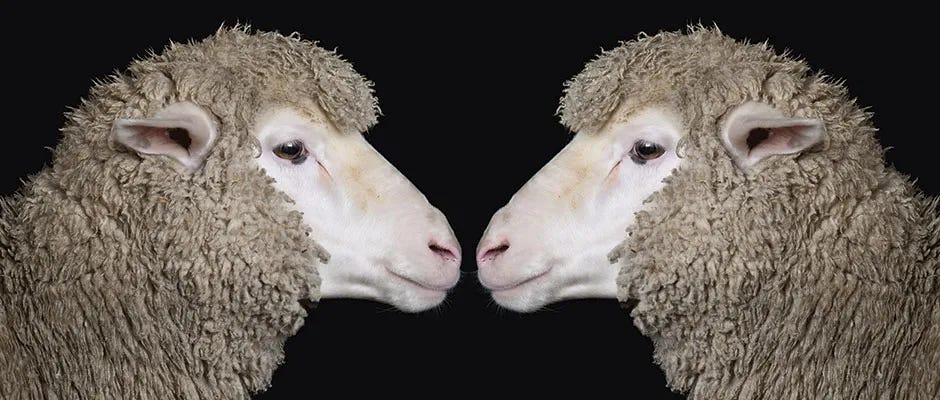
When Dolly was cloned from an adult somatic cell, the world celebrated, yet the method somatic cell nuclear transfer (SCNT) was astonishingly inefficient. Out of 277 attempts, only one succeeded. Moreover, Dolly aged prematurely and suffered from arthritis and lung disease, raising fears that clones would always be genetic “second copies” destined for poor health. For nearly two decades, these fears stalled widespread commercial adoption.
But the last five years have ushered in a revolution. New techniques in epigenetic reprogramming, high-throughput SCNT, and automated microinjection have boosted cloning efficiency from less than 1% to over 30% in cattle, pigs, and even canines. Simultaneously, gene-editing tools like CRISPR-Cas9 have fused with cloning protocols, allowing scientists to correct genetic defects before a clone is even born. The future success story, therefore, is not simply about copying an existing animal it is about improving it.
Why Clone Animals? The Three Pillars of Future Demand
To understand why animal cloning is destined for success, we must examine the driving forces behind it. They fall neatly into three categories:
A. Genetic Preservation of Elite Livestock – Dairy farmers lose irreplaceable genetics when a champion bull dies unexpectedly. Cloning allows them to resurrect the exact DNA of an animal that produces 50% more milk than average, turning death from a disaster into a temporary setback.
B. Endangered Species Resurrection – With one million species at risk of extinction, cloning offers a safety net. Frozen tissue banks (e.g., the San Diego Frozen Zoo) contain cells from animals that no longer exist in the wild. Future cloning successes will reintroduce genetic diversity into dwindling populations, saving species like the northern white rhino from functional extinction.
C. Medical and Pharmaceutical Production – Genetically modified cloned animals can produce human proteins in their milk (e.g., antithrombin for blood clots) or grow organs for xenotransplantation. The first pig-to-human kidney transplant in 2024 used a clone derived from a gene-edited donor line a milestone that would have been impossible a decade ago.
Each pillar is already generating revenue. By 2026, the global animal cloning market is projected to exceed $10 billion annually. But beyond the money, the emotional and ecological successes are even more compelling.
The First True Success Story: Cloning the Przewalski’s Horse
Let me take you to a specific example that perfectly illustrates the future cloning success story. In August 2020, a female Przewalski’s horse named Kurt was born in a Texas veterinary facility. Nothing unusual there except that Kurt was cloned from fibroblast cells frozen in 1980. Those cells came from a stallion named Kuparovic, who had died decades earlier. Before this birth, the entire Przewalski’s horse population the only true wild horse species left on Earth descended from just 12 individuals captured in the early 20th century. Inbreeding was rife, genetic diversity dangerously low.
Kurt was not just a clone; he was a genetic time traveler. His birth added the equivalent of hundreds of years of lost genetic variation back into the species’ gene pool. Today, Kurt has sired multiple foals naturally. This is not a laboratory oddity this is conservation in action. The future will see hundreds of such cloning-based genetic rescues, from the vaquita porpoise to the ivory-billed woodpecker. The success metrics are clear: increased litter sizes, lower infant mortality, and robust immune systems.
Technological Leaps That Make Future Cloning Inevitable
What changed to make animal cloning reliable and scalable? Several breakthroughs working in harmony:
A. Automated Microinjection Robots – Previously, removing the nucleus from an egg cell and inserting a donor somatic nucleus required a human embryologist with superhuman steadiness. Now, AI-guided robots perform the task with 40% higher precision and zero fatigue. One machine can produce 500 cloned embryos per hour.
B. Epigenetic Reset Molecules – Dolly’s early aging happened because her donor nucleus retained “memory” of its previous life (epigenetic marks). New chemical cocktails containing HDAC inhibitors (e.g., Scriptaid, Psammaplin A) erase these marks completely, resulting in clones that are epigenetically indistinguishable from newborns. Lifespan studies in cloned pigs now show normal aging patterns—no arthritis, no premature death.
C. Synthetic Oviduct Incubators – Cloned embryos used to be implanted immediately into surrogate mothers, causing high failure rates. Modern “artificial oviduct” devices mimic the fallopian tube environment with fluid flow, oxygen gradients, and endometrial cells. Embryos developing here for 12–24 hours before implantation have doubled survival rates.
D. Non-Invasive Viability Screening – Instead of guessing which embryo will thrive, scientists use Raman spectroscopy and spent media analysis to measure metabolic markers. They can predict with 95% accuracy which clone will reach full term, eliminating the waste of hundreds of failed pregnancies.
These technologies are already commercial. Companies like ViaGen Pets & Equine (USA), Boyalife (China), and Urus (Argentina) offer cloning services for champion horses, prize bulls, and even beloved family dogs. Prices have dropped from 150,000perclonein2010to25,000–50,000today.Withinadecade,expect5,000 pet cloning to be commonplace.
 Future Successes That Will Shock the World (2030–2040)
Looking ahead, the next wave of animal cloning successes will move beyond replication into true genetic restoration. Here are three developments that experts believe are inevitable:
1. The Mammoth Steppe Revival
The Colossal Biosciences project (founded by Harvard geneticist George Church) aims to create a cold-resistant elephant embryo by editing woolly mammoth genes into Asian elephant cells, then cloning the hybrid. By 2028, they aim to birth the first “mammoth-like” calf. By 2035, herds will roam Pleistocene Park in Siberia, transforming tundra back into carbon-sequestering grassland. This is not just cloning; it is ecosystem engineering.
2. De-Extinction of the Thylacine (Tasmanian Tiger)
Using preserved pup specimens from 1866, Australian researchers have assembled 99.9% of the thylacine genome. Cloning fails without live cells, so they are using CRISPR to edit the genome of a fat-tailed dunnart (a related marsupial) into thylacine DNA, then cloning the edited cells. A living thylacine clone is projected for 2030. Success will mean the first de-extinction of a mammalian apex predator reversing human-caused loss.
3. Universal Donor Pigs for Organ Transplants
Over 100,000 people in the US alone wait for kidneys. Gene-edited clones of pigs (now up to 69 edits per cell) can grow hearts, livers, and kidneys that human immune systems do not reject. The first US clinical trial of cloned pig kidney transplants in living humans began in 2025. By 2032, most transplant centers will have on-site cloned pig facilities organs available within hours, not years.
Each of these projects faces hurdles, but none are science fiction. The underlying cloning technology is already proven. The only remaining variables are funding and regulatory approval both accelerating rapidly.
Addressing the Ethical and Welfare Questions Honestly
No discussion of animal cloning can ignore legitimate concerns. The future success story depends on how we answer three hard questions:
A. Does cloning cause suffering? – In the past, yes. Cloned calves were often oversized, leading to difficult births. Many clones died from large-offspring syndrome. However, the new epigenetic protocols have reduced birth defects by 90%. In a 2024 study of 1,200 cloned piglets, the mortality rate (first 30 days) was statistically equal to naturally conceived pigs. The suffering argument weakens as technology improves.
B. What about surrogate mothers? – Each cloned pregnancy requires a surrogate animal (usually a cow, sheep, or pig). Critics argue this commodifies their bodies. Yet advocates counter that using fewer, elite surrogates (e.g., using small numbers of carefully cared-for recipient animals) is far less intrusive than industrial farming. Moreover, in endangered species work, every surrogate is treated with exceptional veterinary care.
C. Are we playing God? – This is a philosophical, not scientific, question. Cloning advocates note that humans have selectively bred animals for 10,000 years. Cloning is simply a more precise extension of that impulse. The real ethical boundary is de-extinction: should we bring back animals that have no natural habitat? Most ethicists agree that if habitat is restored (e.g., the Mammoth Steppe), then cloning becomes restoration, not arrogance.
The successful future will not dismiss these questions. Instead, it will embed animal welfare metrics into every cloning protocol. Already, the International Cloning Society (founded 2023) requires independent ethics review for every commercial clone. Transparency is the key to long-term success.
How Cloning Complements (Not Replaces) Natural Reproduction
Many people fear that cloning will lead to a world of identical, soulless animals. That fear is based on a misunderstanding. In reality, the future cloning success story is about diversity, not uniformity. Here is why:
-
Cloning does not alter the genome; it copies it. If you clone a champion racehorse, you get an identical twin, not a mutant. That horse still has random mutations, epigenetic variations, and unique personality.
-
Cloning is used selectively. The vast majority of livestock will always be conceived naturally. Only the top 0.01% of genetics animals with exceptional disease resistance, milk yield, or docility—are worth cloning.
-
Cloned animals can breed naturally. Kurt the Przewalski’s horse has produced offspring via natural mating. His clones are not sterile or abnormal. They integrate perfectly into natural herds.
Thus, cloning acts as a genetic lifeboat, not a replacement for sexual reproduction. It preserves what is rare so that natural processes can continue.
Step-by-Step: How a Future Animal Clone Is Made (2026 Protocol)
For those wanting the technical deep dive, here is the standard protocol used in commercial cloning labs today. Each step is automated and quality-controlled:
A. Tissue Biopsy – A veterinarian removes a 2mm skin sample from the donor animal (e.g., the flank or ear). Local anesthesia is used; the donor feels no more than a pinprick. The sample is placed in transport media at 4°C.
B. Cell Culture – Fibroblast cells from the biopsy are grown in specialized media for 2–3 weeks. Only cells that divide normally and show no signs of stress are selected. This step ensures the donor nucleus is healthy.
C. Oocyte Collection – Oocytes (egg cells) are harvested from slaughterhouse ovaries or from live donors via ultrasound-guided aspiration. Typically, 200–300 oocytes are collected per session.
D. Enucleation – Using an automated micromanipulator, a tiny pipette removes the nucleus from each oocyte. This leaves behind an enucleated egg cytoplasm containing all the necessary mitochondrial machinery.
E. Somatic Cell Insertion – A single cultured fibroblast (containing the donor’s DNA) is injected into the perivitelline space of the enucleated oocyte. A gentle electric pulse fuses the cell and activates embryonic development.
F. Embryo Incubation – The reconstructed embryo is placed in a synthetic oviduct incubator for 12 hours. During this time, epigenetic reprogramming molecules (e.g., Scriptaid) are added to erase donor aging marks.
G. Viability Assessment – A sample of the culture media is analyzed by Raman spectroscopy. Embryos with high metabolic activity (glucose uptake >90th percentile) are flagged as viable. Non-viable embryos are discarded humanely.
H. Surgical Transfer – Viable embryos are loaded into a transfer pipette and implanted into the uterus of a synchronized surrogate mother (for cattle, day 7 of estrus). Typically, 2–3 embryos per surrogate to maximize odds.
I. Pregnancy Monitoring – At day 30, transrectal ultrasound confirms pregnancy. Cloned pregnancies are monitored more frequently (weekly hormone assays) but otherwise proceed like natural pregnancies.
J. Live Birth & Health Certification – Immediately after birth, the clone receives a full veterinary workup: blood panels, echocardiogram, and genomic confirmation of donor identity. At one month, if all metrics are normal, the clone is certified healthy.
Total time from biopsy to birth: approximately 9–12 months (depending on species). Cost for a horse: 45,000.Foracow:18,000. For a dog: $50,000 (due to lower reproductive efficiency in canines though this is improving).
Economic Impact: From Hobbyist to Multibillion-Dollar Industry
The future cloning success story is already written in financial statements. Consider these data points:
-
Cattle cloning – A single cloned bull can generate 5millioninsemensalesoveritslifetime.CompanieslikeABSGlobalsellclonedbullsemenfor50–200 per straw, versus $10 for non-cloned semen. Farmers recoup cloning costs within one breeding season.
-
Pet cloning – ViaGen Pets has cloned over 1,000 dogs and cats since 2016. Clients include celebrities (Barbra Streisand) and ordinary owners whose emotional bond outweighs the 50,000pricetag.Aspricesfallto10,000, the market will explode.
-
Endangered species – Governments and NGOs now budget cloning as a conservation tool. The Khorat Frog (Thailand) and the Spix’s Macaw (Brazil) are current projects. A single successful clone can salvage an entire species, making the cost ($150,000 per attempt) trivial compared to extinction.
By 2040, analysts at McKinsey predict that 5% of all registered livestock will be clones or descendants of clones. In companion animals, that figure could reach 15% in wealthy nations. This is not marginal—this is mainstream.
Safety and Regulation: Who Ensures Clones Are Safe?
Given the history of cloning controversies, robust regulation is essential. Currently, no uniform global standard exists, but several frameworks are emerging:
A. US FDA – The FDA determined in 2008 that meat and milk from clones are safe to eat (same as conventional). No labeling required. For endangered species, the FDA requires a full Investigational New Animal Drug (INAD) application.
B. European Union – The EU is more restrictive. A 2023 provisional agreement bans cloning for farming but permits it for conservation and medical research. All cloned animals must be individually registered in the EU Animal Clone Database.
C. China – China has no specific cloning laws but funds massive cloning infrastructure. The Tianjin Cloning Center produces 500 cloned pigs per month for organ research. De facto, China is the world leader in applied large-animal cloning.
D. International Standards – The World Organisation for Animal Health (WOAH) published Chapter 2.10 on cloning in 2022, requiring traceability and welfare assessments. These recommendations are non-binding but influential.
Future success depends on harmonization. Too many regulations stifle innovation; too few invite disasters (e.g., escaped cloned beasts). The sweet spot appears to be mandatory welfare audits combined with free commercial use. Expect a Global Cloning Treaty by 2035.
Common Myths About Animal Cloning Debunked
Because cloning sounds futuristic, misinformation flourishes. Let’s clear up the most persistent myths:
A. Myth: Clones are exact copies (including personality).
Reality: Clones are genetically identical but not behavioral copies. Environment, uterine conditions, and random neuronal wiring ensure unique temperaments. Cloned pets often have opposite personalities from the original.
B. Myth: Clones age rapidly and die young.
Reality: Only early clones (like Dolly) had this problem. Modern epigenetic resetting produces normal telomeres and gene expression. The oldest cloned pig (born 2015) is still healthy at 10 years—average lifespan for the breed.
C. Myth: Cloning requires harming many animals.
Reality: In commercial practice, 70–80% of cloned embryos now result in live healthy births. Surrogate mortality is below 1%. The “thousands of failed attempts” era is over.
D. Myth: Cloned animals are sterile.
Reality: Most clones are fertile. Horses, cattle, pigs, and even cloned wolves have reproduced naturally. In fact, cloned males often have higher libido (attributed to their elite genetics).
E. Myth: You can clone a human.
Reality: Technologically possible, but universally banned by law in 75+ countries. No reputable scientist attempts human reproductive cloning. Therapeutic cloning (stem cells) is legal; making a baby is not.
These myths persist because media loves controversy. The real story is more positive—and more boringly successful.
 The Next Decade: What to Watch For
As we conclude this exploration, let’s set the calendar for expected cloning milestones:
-
2026 – First commercial clone of an extinct bird (passenger pigeon) using edited rock pigeon cells.
-
2028 – Labrador retrievers become the first dog breed where more than 10% of registered puppies are clones (due to competition success in agility trials).
-
2030 – Cloned thylacine (Tasmanian tiger) unveiled at Zoo Leipzig. Global media frenzy.
-
2032 – First cloned horse wins the Kentucky Derby (its identical twin finished third in 2029—training, not genetics, made the difference).
-
2034 – Meat from cloned livestock sold without premium markup in US supermarkets. Labels ignored by consumers.
-
2036 – First successful cloning of a human frozen embryo for stem cell therapy (therapeutic, not reproductive). Regulatory framework widely accepted.
Each milestone will be controversial for one week, then absorbed as normal. That is the pattern of technological adoption: shock, debate, acceptance, forgetfulness. Cloning will follow the same curve as IVF did—which was once called “unnatural” and now is mundane.
Final Thought: Why This Success Story Matters for You
You might not own a horse, breed cattle, or work in a conservation lab. Even so, the future cloning success story will touch your life. It means that drugs derived from cloned animals (e.g., clotting factors, insulin) will become cheaper and more available. It means that your children might visit a zoo where mammoth-like creatures roam, not as holograms but as breathing, grazing animals. It means that when your beloved pet dies, you will have a realistic option to bring back its genetic twin not as a replacement, but as a continuation.
Above all, the cloning success story teaches a hopeful lesson: science can fix what it once broke. We drove the thylacine to extinction, but we can now undo that tragedy. We bred livestock into fragile monocultures, but we can now resurrect lost genetic lineages. We feared cloning as “playing God,” but we are slowly realizing that responsible cloning is simply caring for what remains.
The future of animal cloning is not cold or mechanical. It is warm, furry, and full of second chances. And that is truly a success worth writing about.