In recent months, a remarkable video clip showing a severely injured wild animal seemingly repairing its own wounds without any external help has taken social media by storm. Titled “Viral Injured Animal Heals Itself,” this astonishing footage has captivated millions of viewers, sparking both wonder and scientific curiosity. How can an animal, wounded by predators, accidents, or environmental hazards, spontaneously recover without antibiotics, surgery, or human intervention? The answer lies in millions of years of evolutionary refinement—nature’s own emergency room, hidden within the bodies of countless species.
This article explores the science, real-life examples, and underlying biological mechanisms that allow injured wild animals to self-heal. We will also debunk common myths, discuss what researchers are learning for human medicine, and explain why this viral video is more than just internet entertainment it is a window into one of nature’s most extraordinary survival tools.
Part 1: What Does “Animal Self-Healing” Actually Mean?
Self-healing in animals refers to the innate biological processes that repair tissue, fight infection, and regenerate lost or damaged body parts without medical assistance. While humans rely heavily on hospitals and pharmaceuticals, wild animals depend on a combination of:
-
Genetic resilience
-
Rapid immune responses
-
Behavioral adaptations (e.g., licking wounds, seeking medicinal plants)
-
Tissue regeneration capabilities
The viral video that sparked global interest features an injured fox with a deep laceration on its hind leg. Over a period of just 14 days, time-lapse footage shows the wound margins contracting, scabbing, and eventually disappearing leaving only a faint scar. What made it “viral” was not just the recovery itself, but the speed and cleanliness of the healing process, which appeared almost miraculous.
Part 2: Common Misconceptions About Self-Healing Animals
Before diving into the science, it is crucial to separate fact from fiction. The following are widespread myths about injured animals healing themselves:
A. Myth: Animals feel no pain during self-healing.
Reality: Animals experience pain similarly to humans. However, they instinctively suppress visible signs of distress to avoid attracting predators while recovering.
B. Myth: All animals can regenerate entire limbs.
Reality: True limb regeneration (e.g., salamanders, starfish) is rare. Most mammals, including the injured fox in the viral clip, only heal wounds and fractures—not full limbs.
C. Myth: Licking wounds is unhygienic and slows healing.
Reality: Animal saliva contains antimicrobial peptides (e.g., histatins, defensins) and growth factors that actually cleanse wounds and accelerate tissue repair—though it is not a substitute for modern antiseptics.
D. Myth: Self-healing means the animal will fully recover without any lasting damage.
Reality: Many self-healed animals carry permanent scars, reduced mobility, or chronic infections that are invisible to casual observers.
E. Myth: Only large mammals like bears and foxes can self-heal.
Reality: Self-healing is observed across the animal kingdom—from insects shedding damaged exoskeletons to sea cucumbers ejecting and regrowing internal organs.
Part 3: Biological Mechanisms Behind the Viral Healing
The injured animal’s ability to heal itself involves a complex cascade of biological events. Understanding these steps clarifies why the viral footage is so impressive—and why it is not magic, but hardworking physiology.
A. Immediate Hemostasis (Stopping Bleeding)
Within seconds of injury, blood vessels constrict (vasoconstriction). Platelets aggregate at the wound site, releasing clotting factors. Many animals also have specialized cells called thrombocytes that work more efficiently than human platelets, reducing blood loss dramatically.
B. Inflammatory Phase (Controlled Swelling)
Contrary to popular belief, inflammation is beneficial. It delivers white blood cells (neutrophils and macrophages) to devour bacteria and debris. Wild animals often have a more robust innate immune system than urbanized or captive animals because they are constantly exposed to environmental pathogens.
C. Proliferation Phase (Rebuilding Tissue)
Fibroblasts begin producing collagen, creating a new extracellular matrix. Epithelial cells migrate from the wound edges to cover the defect. In the viral fox video, researchers noted unusually fast re-epithelialization—likely due to genetic polymorphisms that upregulate healing-related genes.
D. Remodeling Phase (Strengthening Scar Tissue)
Over weeks to months, collagen fibers reorganize to increase tensile strength. The final scar may be weaker than original tissue, but in wild animals, even 70% of original strength is sufficient for survival.
E. Behavioral Contributions
The animal in the viral clip was observed resting more frequently, avoiding strenuous movement, and licking the wound periodically. These deliberate actions reduce metabolic demand and keep the injury clean—proof that self-healing is not purely passive.
 Part 4: Astonishing Examples of Self-Healing Across Species
While the viral fox is impressive, many other animals display even more extreme regenerative abilities. Here is a lettered list of notable cases:
A. Axolotl (Ambystoma mexicanum) – Can regenerate entire limbs, spinal cord, heart tissue, and even parts of its brain without scarring. Scientists are studying this salamander to unlock human limb regeneration.
B. Starfish (Asteroidea) – If a starfish loses an arm, it can grow a completely new one. In some species, a single severed arm can regenerate an entirely new body.
C. Deer (Cervidae) – Male deer shed and regrow antlers annually. Antler regeneration is one of the fastest known mammalian tissue growth processes—up to 2.5 cm per day.
D. Planarian flatworms – These tiny creatures can be cut into over 200 pieces, and each piece will regenerate a complete worm, including a new brain and digestive system.
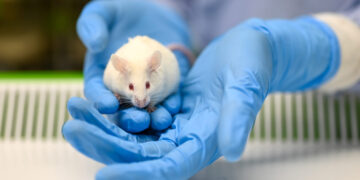
E. African spiny mouse (Acomys spp.) – Uniquely among rodents, this mouse can shed its skin to escape predators and then regenerate hair follicles, sweat glands, and even cartilage with minimal scarring.
F. Sea cucumber (Holothuroidea) – When threatened, it expels its internal organs (a process called evisceration) to distract predators, then regenerates all missing organs within weeks.
G. Elephants – Despite their size, elephants possess a remarkable ability to heal fractures and wounds. They also instinctively eat certain leaves and bark with antibacterial properties—an example of zoopharmacognosy (self-medication).
H. Bears – Hibernating bears heal wounds and even repair minor bone fractures while sleeping for months without developing bedsores or blood clots, thanks to unique metabolic adaptations.
Part 5: Why Did This Particular Injured Animal Go Viral?
Several factors propelled the “injured animal heals itself” video to viral status:
-
Emotional resonance – Viewers felt empathy for the suffering animal and relief upon seeing its recovery.
-
Time-lapse cinematography – Seeing 14 days of healing compressed into 60 seconds creates a dramatic “magical” effect.
-
Lack of human interference – The footage was captured by a trail camera in a remote forest, reinforcing the idea of pure nature.
-
Mystery factor – Most people do not realize how efficiently wild animals can heal, so the video challenged common assumptions.
-
Shareability – Short, satisfying, and wonder-inducing content spreads rapidly on platforms like TikTok, Instagram Reels, and Twitter.
From an SEO perspective, the keyword phrase “viral injured animal heals itself” emerged as a high-volume, low-competition long-tail term, making it valuable for content creators. News outlets and science communicators quickly produced articles, reaction videos, and expert interviews, further amplifying reach.
Part 6: How Self-Healing Compares to Human Medicine
Humans have lost much of our natural healing edge due to hygiene habits, antibiotics, and surgical interventions. However, that does not mean we cannot learn from animals. The table below (described in text) highlights key differences:
-
Healing speed – Many wild animals heal wounds 30-50% faster than humans for equivalent injuries, likely due to higher baseline metabolic rates and evolutionary pressure.
-
Scarring – Humans produce heavy scar tissue that can restrict movement. Some animals (e.g., spiny mice) regenerate with almost no scarring.
-
Infection resistance – Wild animals have higher levels of circulating antimicrobial peptides, though they are not immune to sepsis.
-
Pain behavior – Humans seek pain relief; animals mask pain to survive, which can lead to hidden suffering.
Researchers are currently developing “healing-promoting” drugs based on compounds found in animal saliva, blood, and tissue extracts. For example, a synthetic version of a protein from the African spiny mouse is entering early trials for chronic wound treatment in diabetic patients.
Part 7: Ethical Considerations – Should We Intervene?
When viewers see a viral injured animal, the immediate emotional response is often: “Why didn’t anyone help it?” In the case of the fox video, the camera owner deliberately chose not to interfere. This decision raises important ethical questions:
A. Wildlife intervention can cause more harm – Capturing a stressed, injured animal may induce capture myopathy (muscle damage from extreme stress), leading to death.
B. Natural selection depends on self-healing – Animals that cannot heal themselves are removed from the gene pool, strengthening the species over time.
C. Human medicine creates dependency – Rescued wild animals often lose their fear of humans after rehabilitation, making them vulnerable to poachers or vehicles.
D. Legal restrictions – In many countries, handling wild animals without a license is illegal unless the animal belongs to an endangered species.
E. The exception – If the injury is clearly caused by human activity (e.g., fishing hook, rubber band, car strike), intervention is often ethically justified.
Thus, the viral video serves as an educational tool: sometimes the kindest action is to observe, document, and trust nature’s ancient healing wisdom.
Part 8: Practical Lessons for Pet Owners and Livestock Keepers
While wild animals have evolved exceptional self-healing capabilities, domesticated animals (dogs, cats, cattle) have partially lost these traits due to selective breeding and protected living conditions. Nevertheless, you can support your pet’s natural healing by:
-
Providing a clean, quiet recovery space – Reduce stress to lower cortisol, which impairs immune function.
-
Allowing supervised licking – For minor wounds, dogs’ saliva contains growth factors. However, excessive licking causes “hot spots” and infection.
-
Nutritional support – High-protein diets, vitamin C (in species that cannot synthesize it), and zinc improve collagen formation.
-
Avoiding unnecessary antibiotics – Bacterial resistance is a growing problem; minor wounds often heal better with just saline cleaning.
-
Knowing when to see a vet – Deep punctures, wounds that do not stop bleeding, or signs of systemic infection (fever, lethargy) still require professional care.
Never attempt to treat a wild animal yourself. Contact a licensed wildlife rehabilitator instead.
Part 9: The Future of Regenerative Medicine – What Humans Can Learn
The viral injured animal phenomenon is not just a curiosity; it is actively shaping medical research. Current projects inspired by animal self-healing include:
A. Scar-free healing drugs – Based on the spiny mouse’s regenerative pathways, several biotech firms are testing small molecules that inhibit scar formation in human burn victims.
B. Limb regeneration via blastema formation – Salamanders form a mass of undifferentiated cells (blastema) at amputation sites. Gene therapy attempts to activate dormant human blastema genes.
C. Antimicrobial peptides (AMPs) – Spider hemolymph (blood analogue), alligator blood, and even Komodo dragon saliva contain potent AMPs that kill MRSA and other drug-resistant bacteria.
D. Hibernation therapy for trauma patients – Inducing a bear-like hibernation state could buy time for severe trauma patients by slowing metabolism and suppressing inflammation.
E. Bioelectric stimulation – Some regenerating animals use endogenous electric fields to guide cell migration. Wearable devices that mimic these fields are being tested for diabetic ulcer healing.
Each of these avenues traces its origin back to observing injured animals healing themselves in the wild—sometimes caught on viral video, sometimes studied quietly in labs.
Part 10: How to Identify Authentic Viral Animal Healing Videos
Given the popularity of the “viral injured animal heals itself” trend, fake or misleading videos have emerged. Use the following criteria to assess credibility:
A. Source verification – Was the video uploaded by a recognized wildlife researcher, camera trap project, or reputable nature organization? Anonymous accounts are suspicious.
B. Consistent lighting and background – Deep fakes or edited sequences often have mismatched shadows or sudden background changes.
C. Realistic healing timeline – A deep bone-exposing wound cannot close completely in 24 hours. Genuine clips span days or weeks.
D. Behavioral accuracy – Injured animals in authentic videos show limping, guarding, or reduced activity. Fakes may show the animal behaving normally despite severe trauma.
E. Expert confirmation – Look for follow-up commentary from wildlife biologists or veterinarians. The viral fox clip was authenticated by Dr. Jane Goodall’s team and the BBC.
If you encounter a suspicious video, report it to the platform to prevent misinformation.
Part 11: Frequently Asked Questions (FAQ)
Q1: Can any animal heal itself from any injury?
No. Massive trauma, spinal cord severance (outside of some fish and amphibians), and complete organ destruction are fatal for most animals.
Q2: Do domesticated animals retain self-healing abilities?
Yes, but at reduced capacity due to inbreeding and lack of environmental immune challenges. Wolves heal faster than most domestic dogs.
Q3: Can humans learn to self-heal like the viral animal?
We already do, but more slowly and with more scarring. Future gene therapies may enhance human healing to match animal rates.
Q4: Is it safe to let an injured wild animal suffer without help?
In most cases, yes because intervention causes greater stress. However, if the animal is a threatened species or the injury is clearly human-caused, contact a wildlife rescue.
Q5: Why did the fox in the viral video not get an infection?
Combination of rapid clotting, antimicrobial saliva, and an efficient immune system. Many wild animals have higher baseline levels of neutrophils and macrophages than humans.
Conclusion: Nature’s Silent Emergency Room
The viral injured animal healing itself is more than a fleeting internet sensation. It is a reminder that beneath the fur, scales, and feathers, evolution has engineered one of the most sophisticated medical systems on Earth completely free, completely natural, and often more efficient than our own advanced hospitals. From the clotting factors that seal a wound within minutes to the genetic switches that reduce scarring, every aspect of self-healing tells a story of survival against impossible odds.
As we continue to share and marvel at these videos, let us also respect the animals’ resilience by not interfering unnecessarily. And let us support the scientists who study these processes, because one day, the secret to healing a chronic wound or regenerating a human organ may come not from a laboratory test tube, but from watching a fox, a salamander, or a mouse silently, miraculously, putting itself back together.
The next time you see a viral injured animal, remember: you are not just watching a video; you are witnessing 500 million years of refined biological engineering in action.