The world is currently facing a silent but accelerating catastrophe. While global attention often focuses on economic recessions, political instability, or pandemics, another emergency has been growing beneath the surface an animal crisis that is rapidly becoming a global emergency. From the smallest pollinator to the largest marine mammal, animal populations are plummeting at rates never before recorded in human history. This is not a regional issue or an isolated concern for environmentalists. It is a planetary emergency that threatens food security, economic stability, public health, and the very fabric of life on Earth.
Experts from leading institutions, including the United Nations, the World Wildlife Fund (WWF), and the International Union for Conservation of Nature (IUCN), have issued repeated warnings. The data is undeniable. The planet is enduring its sixth mass extinction event the first caused not by asteroids or volcanic eruptions, but by a single species: humans. The animal problem is not merely about saving charismatic creatures like tigers or elephants. It is about safeguarding the natural systems that produce oxygen, clean water, fertile soil, and a stable climate. This article will explore the scale of this emergency, the primary drivers behind it, and the consequences if humanity fails to act immediately.
A. The Shocking Statistics Behind the Animal Emergency
To understand the severity of the animal crisis, one must first examine the numbers. These figures are not abstract; they represent a systematic dismantling of the natural world.
-
The WWF Living Planet Report (2022) revealed an average decline of 69% in global wildlife populations between 1970 and 2018. This includes mammals, birds, amphibians, reptiles, and fish.
-
Freshwater species have suffered the most dramatic losses, with an average population decline of 83% during the same period. Rivers, lakes, and wetlands are being drained, polluted, and overexploited at an alarming rate.
-
According to the IPBES Global Assessment Report (2019) , approximately 1 million animal and plant species are now threatened with extinction, many within decades. This is more than at any other time in human history.
-
Amphibians are the most threatened class of vertebrates, with 41% of all species at risk of extinction. Frogs, salamanders, and caecilians are especially vulnerable to fungal diseases, habitat loss, and climate change.
-
Oceanic shark and ray populations have declined by 71% since 1970, primarily due to overfishing and finning practices. This collapse is destabilizing marine food webs.
-
Insect biomass has dropped by more than 75% in protected nature reserves across Germany over the last 30 years. Similar trends have been observed in Puerto Rico, the United Kingdom, and Costa Rica. Without insects, pollination, decomposition, and soil aeration would cease.
These statistics are not merely warnings. They are evidence of a system in critical condition. The animal problem is no longer a future possibility; it is a present reality.
B. The Primary Drivers of the Global Animal Crisis
The decline of animal populations is not accidental. It is driven by a combination of human activities that have intensified over the past century. Identifying these drivers is the first step toward meaningful solutions.
A. Habitat Destruction and Fragmentation
The single greatest threat to animals worldwide is the destruction of their homes. Forests, grasslands, wetlands, and coral reefs are being converted into farmland, cities, roads, and mining sites. Between 1990 and 2020, the world lost more than 420 million hectares of forest an area larger than India. Each hectare lost means thousands of animal species lose their shelter, breeding grounds, and food sources. Fragmentation occurs when remaining habitats are broken into small, isolated patches. This prevents animals from migrating, finding mates, or responding to climate shifts. For example, the Atlantic Forest in Brazil has been reduced to just 12% of its original cover, forcing jaguars and golden lion tamarins into confined pockets where inbreeding and starvation are common.
B. Climate Change
Rising global temperatures are altering ecosystems faster than many animals can adapt. The Arctic is warming nearly four times faster than the rest of the planet, threatening polar bears, walruses, and seals that depend on sea ice. Coral reefs, which support 25% of all marine species, are experiencing mass bleaching events. The Great Barrier Reef has lost half of its coral cover since 1995. Birds are migrating at the wrong times, leading to mismatches with insect hatches. Sea turtles are facing skewed sex ratios because nest temperatures determine hatchling sex; warmer nests produce almost entirely females, threatening long-term reproduction. Climate change also intensifies wildfires, droughts, and storms, killing animals directly and destroying habitats for years to come.
C. Overexploitation and Poaching
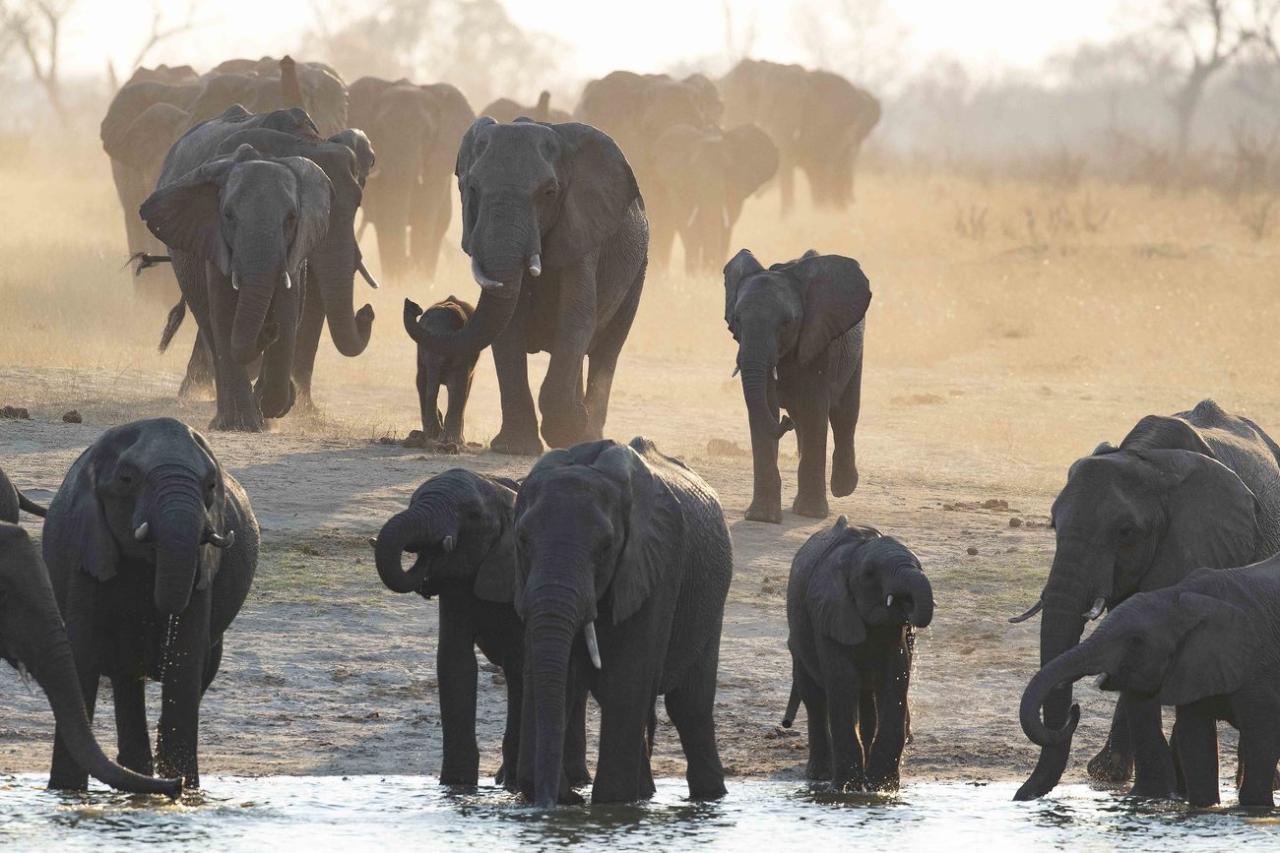
Illegal wildlife trade is a multi-billion-dollar criminal industry. Elephants are poached for ivory, rhinos for horns, pangolins for scales, and tigers for skins and bones. Despite international bans, enforcement remains weak. Legal hunting and fishing also take a massive toll. The bluefin tuna population has been reduced by 97% of its historical size due to sushi demand. The vaquita, a small porpoise found only in the Gulf of California, now has fewer than 20 individuals left because of entanglement in illegal gillnets set for endangered totoaba fish. Overexploitation does not always mean hunting; it also includes capturing exotic birds, reptiles, and fish for the pet trade. Millions of wild animals are torn from their habitats each year, often dying during transport.
D. Pollution
Chemical, plastic, light, and noise pollution are poisoning animals across the globe. Agricultural pesticides kill pollinators directly and contaminate water sources. Neonicotinoids, for instance, have been linked to colony collapse disorder in honeybees. Plastic waste is found from the deepest ocean trenches (Mariana Trench) to the highest mountains (Mount Everest). Animals ingest plastic bags, bottle caps, and microfibers, leading to starvation, intestinal blockages, and poisoning from absorbed toxins. A 2019 study found that a dead whale in the Philippines had 88 pounds of plastic in its stomach. Light pollution disorients migratory birds, sea turtle hatchlings, and moths. Noise pollution from ships and sonar causes hearing loss and behavioral changes in whales, dolphins, and fish.
E. Invasive Species
When humans introduce non-native species—deliberately or accidentally—the results can be catastrophic. Brown tree snakes accidentally arrived on Guam after World War II and have wiped out 10 of the island’s 12 native forest bird species. In Australia, feral cats and foxes kill an estimated 3.2 million reptiles, birds, and mammals per day. In the Great Lakes, zebra mussels introduced via ballast water have outcompeted native mussels and disrupted the entire aquatic food web. Invasive species often lack natural predators in their new environments, allowing them to multiply uncontrollably. They consume native animals, compete for food, alter habitats, and introduce new diseases.
 C. The Consequences of Ignoring the Animal Emergency
The loss of animal species is not merely sentimental. It has tangible, severe consequences for human civilization. Animals are not optional extras on this planet; they are essential workers in the global ecosystem.
A. Collapse of Pollination Services
Approximately 75% of the world’s flowering plants and 35% of global food crops depend on animal pollinators. Bees, butterflies, bats, beetles, and birds transfer pollen from flower to flower, enabling fruits, vegetables, nuts, and seeds to develop. If pollinator populations continue to collapse, crop yields will plummet. Staples such as apples, almonds, coffee, chocolate, and tomatoes would become rare and expensive. Farmers would be forced to rely on hand-pollination, which is labor-intensive and impractical on a large scale. The economic value of pollination services is estimated at between 235billionand577 billion annually. Losing that would trigger a global food crisis.
B. Rise of Pest Populations
Many animals act as natural pest controllers. Birds consume insects; bats eat mosquitoes and agricultural pests; spiders and wasps keep fly and caterpillar populations in check. When these predator species disappear, pest populations explode. Farmers then turn to more chemical pesticides, which kill remaining predators and contaminate water and soil, creating a vicious cycle. In China, the loss of birds due to pesticide use led to massive outbreaks of rice planthoppers, destroying millions of tons of rice. Similarly, the decline of insect-eating bats in North America due to white-nose syndrome and habitat loss has forced farmers to spend billions more on pesticides.
C. Loss of Nutrient Cycling
Animals play a critical role in moving nutrients through ecosystems. Salmon swimming upstream bring marine-derived nitrogen into forests, fertilizing trees and plants. Dung beetles, earthworms, and termites break down animal waste and dead matter, returning nutrients to the soil. Vultures now critically endangered in many regions due to poisoning—clean carcasses and prevent the spread of diseases like anthrax and rabies. When these animals vanish, soils become less fertile, dead animals accumulate, and diseases spread more easily. In India, the collapse of vulture populations led to feral dog populations rising, which in turn caused a spike in human rabies cases.
D. Economic and Health Impacts
The animal emergency has direct economic costs. Global fishing industries employ over 59 million people and generate billions in revenue. As fish stocks collapse, coastal communities lose their livelihoods. The Great Barrier Reef, which is rapidly dying due to bleaching, generates $6.4 billion annually from tourism and supports 64,000 jobs. When reefs die, those jobs disappear. Additionally, the destruction of natural habitats forces wild animals into closer contact with humans, increasing the risk of zoonotic disease spillovers. Ebola, SARS, COVID-19, and Nipah virus all originated in wildlife. By tearing down forests and trading wild animals, humans are effectively creating the conditions for the next pandemic.
D. Solutions: What Must Be Done Immediately
Despite the grim picture, the animal crisis is not hopeless. Solutions exist. What is lacking is political will, public awareness, and financial investment. The following actions, if implemented at scale, can reverse the trend.
A. Protect and Restore Habitats
Governments must expand protected areas, ensuring they are well-managed and connected via wildlife corridors. The goal of protecting 30% of the planet’s land and oceans by 2030 (30×30 target) is a good start, but merely designating paper parks is insufficient. Active enforcement against logging, mining, and poaching is essential. Restoration is equally important. Rewilding projects, such as reintroducing wolves to Yellowstone National Park, have demonstrated that bringing back keystone species can restore entire ecosystems. Planting native trees, removing dams, and rehabilitating wetlands can rebuild animal habitats.
B. Transform Agricultural Systems
Current industrial agriculture is a primary driver of habitat destruction and pollution. Shifting to regenerative, agroecological, and organic farming methods can reduce harm while feeding the world. This includes:
-
Reducing pesticide use through integrated pest management.
-
Preserving hedgerows, field margins, and ponds that shelter pollinators and predators.
-
Practicing rotational grazing to improve soil health and carbon storage.
-
Encouraging crop diversity instead of monocultures.
Consumer choices also matter. Reducing meat consumption—especially beef—lowers pressure on land, water, and feed crops. A shift toward plant-based diets could free up vast areas for nature recovery.
C. Enforce Wildlife Protection Laws
International agreements such as CITES (Convention on International Trade in Endangered Species) must be strengthened with real penalties for violators. Poaching and wildlife trafficking should be treated as serious transnational crimes, similar to drug or arms smuggling. Financial incentives should be provided to local communities to protect wildlife rather than poach it. In Namibia, community-based natural resource management programs have increased elephant and rhino populations while providing jobs and income from ecotourism.
D. Combat Climate Change Aggressively
The animal emergency and climate emergency are two sides of the same coin. Rapidly reducing greenhouse gas emissions through renewable energy, energy efficiency, reforestation, and ending fossil fuel subsidies—will slow temperature rise and give animals a chance to adapt. Protecting forests and oceans also helps absorb carbon dioxide. Nature-based solutions, such as mangrove restoration and peatland conservation, can simultaneously combat climate change and protect wildlife.
E. Reduce Pollution at the Source
Plastic pollution requires a combination of bans, taxes, and circular economy solutions. Single-use plastics—bags, straws, bottles should be phased out globally. Improved waste management and recycling infrastructure prevent plastic from entering oceans. For chemical pollution, banning the most harmful pesticides and industrial chemicals, and promoting green chemistry, is critical. Light and noise pollution can be reduced through shielded outdoor lighting, seasonal dimming during bird migration, and quieter ship propellers.
F. Public Education and Citizen Science
No solution will work without public support. Education campaigns should teach children and adults about the value of biodiversity and the actions they can take. Citizen science projects such as eBird, iNaturalist, and butterfly counts allow ordinary people to contribute data that helps scientists track animal populations. When communities understand that their own well-being depends on healthy animal populations, they become powerful advocates for change.
E. Success Stories: Proof That Recovery Is Possible
Amid the crisis, there are genuine reasons for hope. Several animal species have been brought back from the brink of extinction through dedicated conservation efforts. These examples prove that the global emergency can be managed if resources and political will are directed appropriately.
A. The Bald Eagle (United States) – Once down to just 417 nesting pairs in the 1960s due to DDT poisoning and hunting, the bald eagle has recovered to over 300,000 individuals today. The ban on DDT, legal protection, and habitat restoration worked.
B. The Humpback Whale – Commercial whaling reduced humpback populations by more than 90%. After the 1986 moratorium on commercial whaling, many populations rebounded dramatically. The western South Atlantic population, for example, grew from only 450 whales to over 25,000.
C. The Arabian Oryx – Hunted to extinction in the wild by 1972, this antelope was saved by captive breeding programs at the Phoenix Zoo and others. Reintroduced into Oman, Saudi Arabia, and Jordan, there are now over 1,000 wild oryx.
D. The Giant Panda – Decades of habitat protection, anti-poaching patrols, and captive breeding raised the giant panda population from around 1,000 in the 1990s to over 1,800 in the wild today. In 2016, the species was downgraded from “Endangered” to “Vulnerable.”
E. The European Bison – Extinct in the wild after World War I, the European bison was saved by zoo populations. Reintroduction programs in Poland, Belarus, and Russia have established wild herds numbering over 6,000 animals today.
These successes demonstrate that humans can make amends. However, these are isolated victories. What is needed now is a global, coordinated, and urgent response to the broader animal emergency.
F. What You Can Do as an Individual
Systemic change is essential, but individual actions create the cultural and economic pressure that drives systemic change. Every person can contribute to solving the animal crisis.
A. Make Informed Consumer Choices
-
Avoid products containing palm oil unless certified sustainable (palm oil plantations destroy orangutan habitats).
-
Do not buy exotic pets, tortoiseshell products, or souvenirs made from animal parts.
-
Choose seafood with Marine Stewardship Council (MSC) certification to avoid overfished species.
-
Support companies with strong environmental and animal welfare policies.
B. Reduce Your Ecological Footprint
-
Eat more plant-based meals; even one meat-free day per week helps.
-
Reduce energy use at home (LED bulbs, efficient appliances, insulation).
-
Walk, bike, or use public transit instead of driving alone.
-
Avoid single-use plastics; carry reusable bags, bottles, and containers.
 C. Advocate for Change
-
Vote for political candidates who prioritize environmental protection and wildlife conservation.
-
Contact your elected representatives to demand stronger laws against habitat destruction, poaching, and pollution.
-
Donate to or volunteer with reputable conservation organizations (WWF, The Nature Conservancy, Rainforest Trust, local wildlife rescues).
D. Support and Participate in Local Conservation
-
Plant native flowers and trees to provide food and shelter for local birds, bees, and butterflies.
-
Join local cleanup events to remove trash from rivers, parks, and beaches.
-
Report injured wildlife to rehabilitation centers.
-
Keep cats indoors and dogs on leashes in natural areas (domestic pets kill billions of wild animals annually).
Conclusion
The animal problem has indeed become a global emergency. The evidence is overwhelming: populations collapsing, species vanishing, ecosystems destabilizing. This crisis is not separate from the issues that dominate headlines inflation, war, disease, and food security. It is the very foundation upon which those issues rest. Without healthy animal populations, there will be no pollination, no clean water, no stable climate, and no future for human civilization as we know it.
However, despair is not an option. History has shown that humans can solve immense problems when they choose to. The ozone layer is healing because nations banned chlorofluorocarbons. Rivers no longer catch fire because of the Clean Water Act. The animals listed in the Endangered Species Act have, for the most part, stabilized or recovered. The tools and knowledge to end this emergency already exist. What is missing is the collective will to act before it is too late.
This is a call to every individual, every community, every corporation, and every government. The animal crisis is your crisis. The loss of a single species diminishes us all. But the protection of an animal, the restoration of a forest, the preservation of a river—these are acts of profound hope. The emergency is now. The response must be now too.