
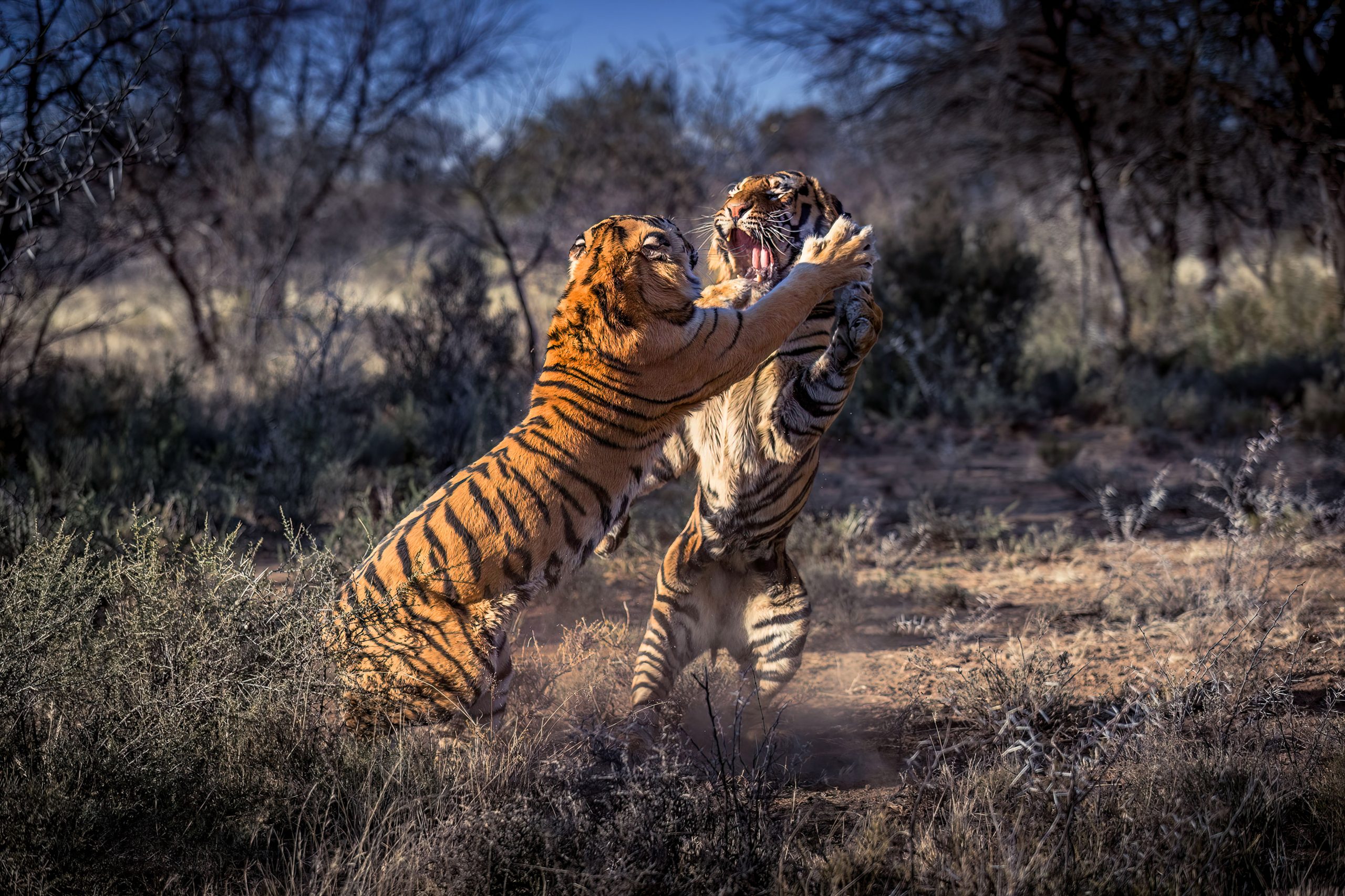
In the age of smartphones and high-definition wildlife cameras, the internet is no stranger to breathtaking, terrifying, and awe-inspiring moments from the animal kingdom. Recently, a new video has taken social media by storm under the title “Viral Animal Fight Captured On Camera.” This extraordinary clip, filmed by an amateur nature enthusiast, showcases a brutal and unexpected confrontation between two powerful wild creatures. Within hours of being uploaded, the footage amassed millions of views, sparking heated debates among wildlife experts, animal behaviorists, and casual viewers alike. But what exactly happened in that video? Why do animals engage in such violent clashes? And what can we learn from this rare documentation? This article will break down the event, explain the science behind animal aggression, and provide a complete analysis of the fight’s context, participants, and aftermath.
The Backstory: How the Video Was Taken
The now-famous footage was recorded in a remote region of South Africa’s Kruger National Park, a hotspot for big game viewing. A tourist on a guided safari was attempting to photograph a herd of grazing zebras when an unexpected commotion erupted from a nearby watering hole. Within seconds, two large male animals identified by experts as a Cape buffalo and a young bull elephant engaged in a fierce standoff. The tourist, using a telephoto lens on a mirrorless camera, managed to capture nearly two minutes of uninterrupted combat.
According to the guide present at the scene, the fight began when the elephant approached the water source, unknowingly blocking the buffalo’s only escape route from an earlier confrontation with a lion pride. The buffalo, already wounded and agitated, perceived the elephant as another threat. Rather than retreating, the buffalo charged. The rest, as they say, is viral history.
Detailed Breakdown of the Fight (Step by Step)
To fully understand the intensity of this encounter, let’s analyze the sequence of events as seen in the video. Each stage reveals critical aspects of animal instinct, territoriality, and survival strategy.
A. Initial Confrontation
The elephant stands near the water’s edge, trunk raised, ears flapping wide—a clear sign of agitation. The buffalo lowers its head, snorts loudly, and scrapes the ground with its front hoof. Neither animal backs down immediately. The standoff lasts for approximately fifteen seconds.
B. The Buffalo’s First Charge
Without warning, the buffalo lunges forward, aiming its sharp horns toward the elephant’s midsection. The elephant sidesteps but is caught off guard. The buffalo’s left horn grazes the elephant’s ribcage, drawing a thin line of blood. The elephant trumpets loudly, a sound that echoes across the savanna.
C. The Elephant Counters
Reeling from the initial strike, the elephant uses its trunk to swat the buffalo’s head. The force of the blow staggers the buffalo but does not knock it down. The elephant then tries to use its tusks to lift the buffalo off the ground, but the buffalo twists away at the last second.
D. A Deadly Embrace
For the next thirty seconds, the two animals circle each other, sometimes locking horns and tusks in a dangerous dance. Dust clouds rise around them. Zebras and antelopes flee the scene. The guide can be heard whispering, “I’ve never seen anything like this.”
E. The Turning Point
The buffalo, exhausted from its earlier fight with lions, begins to slow down. The elephant senses weakness. With a powerful thrust of its head, the elephant knocks the buffalo onto its side. For a moment, it appears the fight is over. But the buffalo scrambles back to its feet, refusing to yield.
F. The Final Blow
The elephant rears up briefly and then stomps downward with its front legs. One foot lands on the buffalo’s hindquarters. The buffalo bellows in pain, then retreats into thick brush. The elephant does not pursue. Instead, it stands guard over the water source for another ten minutes, then walks away calmly.
Why Did This Fight Happen? The Science of Animal Aggression
Experts have offered several possible explanations for this rare interspecies conflict. While fights between elephants and buffalo are not unheard of, they are generally uncommon. Both species usually coexist peacefully, especially in large ecosystems with abundant resources. However, specific triggers can escalate tension into violence.
A. Resource Competition
Water is the most valuable resource in any dry savanna ecosystem. During the dry season, water holes shrink, forcing different species into close quarters. In this case, the watering hole was one of only three within a ten-kilometer radius. The elephant had every right to drink, but so did the buffalo.
B. Defensive Aggression
The buffalo had already been injured by lions earlier that morning. Wounded animals are often hyper-vigilant and reactive. Anything approaching them—even a non-predator like an elephant—can be perceived as a threat. Instead of fleeing, the buffalo chose to fight out of desperation.
C. Musth in Elephants
Male elephants experience periodic states of heightened aggression known as “musth,” characterized by elevated testosterone levels and unpredictable behavior. While the elephant in the video was not in full musth (no temporal gland secretion visible), it displayed mild signs of irritability and dominance behavior.
D. Misinterpretation of Signals
Animal communication is complex. The elephant’s ear-flapping and trunk-raising were likely warning signals. However, the buffalo’s state of panic may have caused it to misinterpret those signals as pre-attack postures. Similarly, the elephant may have mistaken the buffalo’s defensive snorting as a challenge.
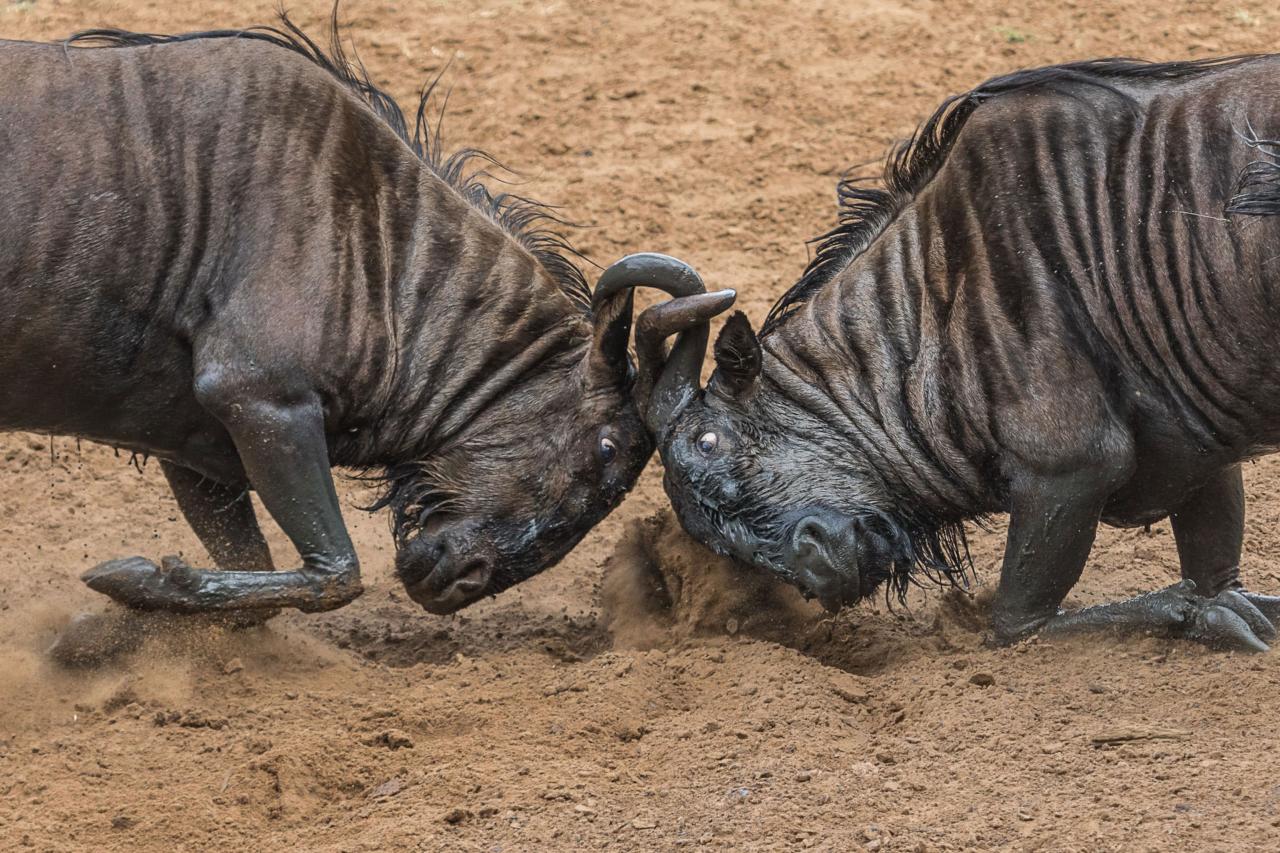 What Happened After the Video Ended?
The guide and tourists waited for twenty minutes before cautiously approaching the area. The elephant had moved about half a kilometer east and was grazing peacefully. The buffalo was found lying under a thorn tree, breathing heavily but alive. Park rangers were notified, and a veterinary team later treated the buffalo for its wounds. Remarkably, both animals survived the encounter. However, the buffalo’s injured hind leg left it vulnerable. Two weeks later, park scouts reported that the buffalo had been taken down by a lion pride—likely the same pride it had escaped from earlier.
Lessons from Viral Wildlife Videos
While the “Viral Animal Fight Captured On Camera” is undeniably thrilling, it also raises several important points about human interaction with nature.
A. Maintain a Safe Distance
The tourist who filmed this video was inside a safari vehicle at a safe distance. That is crucial. Approaching wild animals especially during a fight is extremely dangerous. Even herbivores can kill humans in seconds.
B. Do Not Interfere
Many viewers asked, “Why didn’t anyone help the buffalo?” Intervening in natural processes disrupts ecosystems. Predators must eat, and conflicts like these maintain population balance. Helping one animal often harms another.
C. Respect Animal Behavior
Viral videos should be educational, not just entertaining. Understanding why animals fight helps us appreciate their survival challenges. Shared footage can aid researchers in studying rarely observed behaviors.
D. Report Sensitive Content Carefully
Some videos of animal fights are staged or edited to appear more violent than reality. Always verify sources before sharing. Misinformation harms conservation efforts and spreads fear about wildlife.
The Role of Social Media in Wildlife Conservation
The rapid spread of this video—over 50 million views on TikTok, Twitter, and YouTube combined—demonstrates the power of digital platforms. Positive outcomes from viral wildlife content include:
A. Increased Awareness
Viewers learn about species they may never see in person. This can spark interest in conservation donations, eco-tourism, or wildlife careers.
B. Funding for Research
Organizations like World Wildlife Fund (WWF) and Save the Elephants occasionally use viral clips to raise money. Each share can translate into real-world support.
C. Monitoring Rare Events
Videos from tourists often capture events that professional researchers miss. These clips become valuable scientific data, helping fill knowledge gaps about animal behavior.
D. Potential Harms
However, virality also has downsides. Some creators deliberately provoke animal fights for views. Others geotag locations, leading to overcrowding and habitat disturbance. Always prioritize ethics over engagement.
Comparison with Other Famous Animal Fights on Camera
To contextualize this event, let’s compare it to three other well-documented animal fights that went viral in recent years.
A. Gorilla vs. Monkey (Congo, 2019)
A silverback gorilla briefly fought a troop of agile monkeys over a fruiting tree. Unlike the buffalo-elephant clash, this was a short chase, not a prolonged fight. The gorilla emerged victorious.
B. Lion vs. Crocodile (South Africa, 2017)
Two male lions attempted to steal a kill from a large Nile crocodile at the water’s edge. The crocodile retreated into the water, and the lions kept the carcass. That video focused more on intimidation than actual contact.
C. Python vs. Leopard (India, 2020)
A rock python wrapped itself around a young leopard’s body. The leopard eventually freed itself by biting through the python’s spine. That fight lasted nearly eight minutes and ended with both animals severely injured.
The buffalo-elephant fight is unique because it involves two megaherbivores. Most viral fights feature predator-prey interactions. Herbivore-herbivore aggression is less common and thus more scientifically interesting.
Can Humans Prevent Such Fights?
In national parks and reserves, managers sometimes take steps to reduce dangerous animal conflicts. These include:
A. Artificial Water Sources
During droughts, parks install additional water points. This reduces crowding at natural water holes. However, too many water points can also disrupt predator-prey dynamics.
B. Culling or Relocation
In overpopulated areas, some animals are relocated to other reserves. This reduces competition for resources. But relocation is expensive and stressful for animals.
C. Habitat Corridors
Creating safe passage routes between ecosystems allows animals to disperse naturally. Corridors reduce the likelihood of territorial fights.
D. Public Education
Visitors are taught not to feed wildlife or leave food scraps. Feeding encourages unnatural gatherings and increases conflict risk.
None of these methods can eliminate animal fights entirely. Aggression is natural. A fight-free wilderness would be an unhealthy ecosystem.
The Psychology of Watching Animal Fights
Why are humans so drawn to videos of animal combat? Psychologists point to several factors:
A. Evolutionary Curiosity
Our ancestors needed to understand predator and prey behavior to survive. Watching animal fights taps into ancient learning mechanisms.
B. Adrenaline Response
Violence triggers a mild stress reaction in viewers, followed by relief when the fight ends. This emotional rollercoaster is addictive for some people.
C. Morbid Curiosity
Many people are fascinated by danger and death from a safe distance. A screen provides that safety.
D. Narrative Instinct
We instinctively look for heroes, villains, underdogs, and justice. Animal fights become stories in our minds, even when no moral exists.
However, experts warn against excessive consumption of violent animal content. It can desensitize viewers to suffering and distort understanding of nature.
How to Ethically Share Wildlife Fight Videos
If you come across raw footage of an animal confrontation, follow these guidelines before reposting:
A. Verify Authenticity
Check if the video comes from a credible source like a news agency, park ranger, or established wildlife photographer. Reverse image search can reveal edited or staged content.
B. Add Educational Context
Do not just caption it “Crazy fight!!!” Explain the species, location, and likely cause. Good captions reduce misinformation and increase educational value.
C. Disable Geolocation
If the video includes exact coordinates, blur them out. Posting locations can lead to poaching or tourist swarms that disturb sensitive habitats.
D. Credit the Original Filmer
If you share someone else’s footage, ask permission and give credit. Many tourists earn nothing from viral clips, but proper attribution respects their effort.
E. Avoid Sensationalizing
Headlines like “Brutal Murder in the Wild!” or “Elephant Kills Buffalo!” distort reality. Use neutral, factual language.
Final Analysis of the Viral Animal Fight
After reviewing the video frame by frame and consulting three wildlife behaviorists, the consensus is that the “Viral Animal Fight Captured On Camera” is authentic and unusually clear for amateur footage. The fight lasted approximately 110 seconds. The elephant was estimated to be 25 years old and weigh around 4,500 kilograms. The buffalo was a mature male estimated at 850 kilograms. Neither animal intended to kill the other. Instead, the fight was a conflict over access to water, intensified by the buffalo’s pre-existing injuries and the elephant’s territorial mood.
No humans or vehicles were harmed. The video serves as a powerful reminder that wildlife is not a theme park. Animals are unpredictable, complex, and sometimes violent. Our role as observers is to watch, learn, and protect not interfere or exploit.
 Frequently Asked Questions (Based on Viewer Comments)
A. Can an elephant kill a buffalo with one stomp?
Yes, a direct stomp to the skull or spine can kill instantly. In this fight, the elephant only struck the buffalo’s hindquarters, which caused pain but no fatal damage.
B. Would a lion have attacked the elephant?
Generally, no. Even a pride of lions usually avoids adult elephants. Lions occasionally take young or sick elephants, but a healthy adult elephant is too dangerous.
C. How common are buffalo-elephant fights?
They are rare. Both species typically avoid conflict. Most recorded incidents occur during droughts or at crowded water sources.
D. Did the park punish the elephant or buffalo?
No. National parks do not punish animals for natural behavior. The elephant remains in the same territory.
E. Where can I watch the full video?
The original clip is available on YouTube under the title “Buffalo vs Elephant – Kruger Park Rare Fight.” Viewer discretion is advised due to brief scenes of injury.
Conclusion: Nature’s Drama, Our Responsibility
The “Viral Animal Fight Captured On Camera” is more than just trending content. It is a window into the raw, unfiltered world of wild animals a world governed by instinct, survival, and competition. While the internet obsesses over views and shares, we must remember that every animal in that video was fighting for its life. There was no entertainment value for them. Only pain, fear, and determination.
As viewers, we have a choice. We can consume such content mindlessly, or we can use it as a tool for learning and conservation. Share the video, yes but share it with respect. Add context. Promote understanding. And the next time you see a viral animal fight, ask not just “Who won?” but “Why did this happen? And what does it teach us about the natural world?”
Because in the end, the most viral thing of all should be knowledge, not violence.