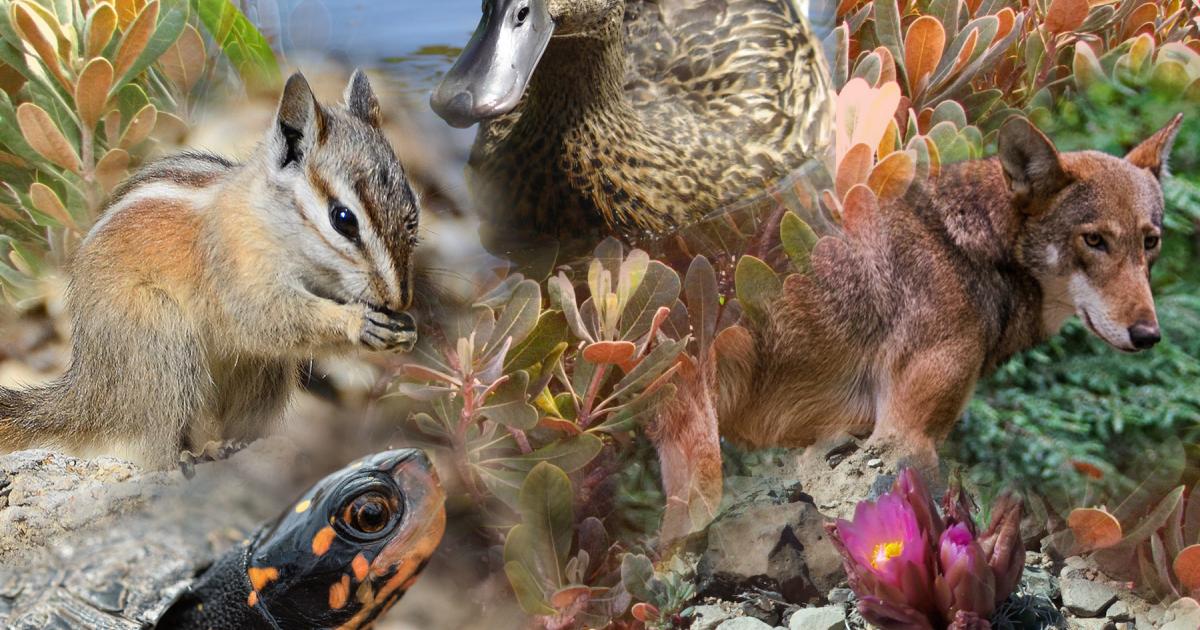
The natural world is sounding an urgent alarm. Across every continent and within every ocean, species of animals are vanishing at a rate never seen before in human history. The problem of animal extinction, once considered a distant concern for future generations, has now accelerated into a immediate global emergency. Scientists warn that Earth is entering its sixth mass extinction event, and unlike the previous five caused by asteroid impacts or massive volcanic eruptions, this one is driven entirely by the actions of a single species: humans.
This comprehensive article explores the worsening reality of animal extinction, diving deep into the causes, consequences, and potential solutions. We will examine why the crisis is intensifying, which species are most at risk, how habitat loss and climate change interact, and what steps must be taken immediately to reverse the downward spiral.
The Shocking Scale of the Current Extinction Crisis
To understand the severity of the problem, one must first grasp the numbers. According to the International Union for Conservation of Nature (IUCN) Red List, more than 42,100 species are currently threatened with extinction. This represents approximately 28% of all assessed species. Among these, amphibians face the highest risk, with 41% of species teetering on the brink. Sharks and rays follow closely at 37%, while mammals and reptiles each face threats to over 20% of their known species.
However, these figures likely underestimate the true scale. Thousands of species have not yet been discovered or formally assessed. Many vanish silently in remote rainforests or deep ocean trenches before scientists ever document their existence. Current extinction rates are estimated to be 100 to 1,000 times higher than natural background rates. At this pace, we are losing species faster than at any point since the dinosaurs disappeared 66 million years ago.
Regional Hotspots of Extinction
Certain geographical areas are experiencing extinction pressures more intensely than others. These biodiversity hotspots regions with exceptionally high numbers of unique species are also areas of extreme habitat loss.
A. The Amazon Rainforest – Home to 10% of the world’s known species, deforestation rates have surged. An estimated 17% of the forest has already been lost, pushing countless species toward extinction, including the Amazon river dolphin and the harpy eagle.
B. Southeast Asia – Rapid palm oil plantation expansion, poaching, and illegal wildlife trade have decimated populations of orangutans, Sumatran tigers, and Asian elephants. Some species have lost over 80% of their historic ranges.
C. The Coral Triangle – Located between Indonesia, Malaysia, and the Philippines, this marine region holds 76% of the world’s coral species. Rising ocean temperatures and acidification are causing mass coral bleaching events, which directly threatens thousands of fish and invertebrate species.
D. Madagascar – Over 90% of the island’s wildlife exists nowhere else on Earth. Slash-and-burn agriculture has destroyed more than 80% of its original forests, pushing lemurs, tenrecs, and countless reptiles toward extinction.
Primary Drivers Behind the Rapidly Worsening Extinction Problem
The acceleration of animal extinction is not caused by a single factor. Instead, multiple human-driven pressures interact and amplify each other. Understanding these drivers is essential to crafting effective solutions.
1. Habitat Destruction and Fragmentation
The leading cause of extinction remains habitat loss. As human populations expand, natural landscapes are converted into farmland, cities, roads, and mines. Forests are cleared, wetlands drained, grasslands plowed, and coastlines developed. When a species loses its home, it loses its source of food, shelter, and breeding grounds.
Habitat fragmentation is equally destructive. Even when patches of habitat remain, they become isolated islands surrounded by human-altered landscapes. Small, isolated populations suffer from inbreeding, reduced genetic diversity, and increased vulnerability to local disasters. A single fire, flood, or disease outbreak can wipe out an entire fragment population.
Examples of habitat-driven extinction include:
A. The Javan rhinoceros, once widespread across Southeast Asia, now survives only in a single Indonesian park with fewer than 80 individuals remaining due to habitat loss and poaching.
B. The ivory-billed woodpecker, declared extinct in 2021, lost its old-growth forest habitat across the southeastern United States.
C. The vaquita, a small porpoise endemic to Mexico’s Gulf of California, has declined to fewer than 20 individuals due to gillnet entanglement, but habitat degradation from agricultural runoff has further stressed the population.
2. Climate Change as an Extinction Accelerator
Climate change is no longer a future threat it is actively pushing species toward extinction today. Rising global temperatures shift climate zones faster than many species can migrate or adapt. For every 1°C increase, the habitable ranges of thousands of species shrink or move toward the poles or higher elevations.
Polar species are especially vulnerable. The polar bear depends on sea ice for hunting seals. With Arctic ice declining by 13% per decade, polar bears spend more time on land without adequate food, leading to population declines. Similarly, Adélie penguins have lost 70% of their colonies in parts of Antarctica as warming reduces krill populations.
Ocean warming and acidification, caused by absorbed carbon dioxide, devastate marine life. Coral reefs, often called the rainforests of the sea, support 25% of all marine species. Mass bleaching events have killed half the Great Barrier Reef’s corals since 1995. As corals die, entire food webs collapse.
Key climate-driven extinction risks include:
A. Mountain species forced upward until no habitat remains, such as the American pika, which cannot survive prolonged heat.
B. Sea turtles, whose hatchling sex ratios are determined by nest temperature. Warmer sands produce more females, threatening future reproduction.
C. Bird species with specific breeding seasons mismatched with peak insect emergence, leading to starvation of chicks.
3. Overexploitation and Poaching
Humans have directly hunted, fished, and collected countless species to dangerously low levels. While commercial hunting of large mammals has decreased in some regions, illegal poaching remains rampant. The value of wildlife parts ivory, horns, skins, bones, and organs—fuels an estimated $20 billion annual illegal trade, the fourth largest transnational crime after drugs, arms, and human trafficking.
Examples of overexploitation include:
A. African elephants, losing 30,000 individuals annually to ivory poaching despite international bans.
B. Pangolins, the world’s most trafficked mammal, with over 200,000 killed each year for their scales used in traditional medicine.
C. Atlantic bluefin tuna, driven to less than 15% of its historical population due to sushi market demand.
D. Sharks, with 100 million killed annually primarily for their fins, leaving many species critically endangered.
4. Pollution and Toxins
Chemical pollution silently destroys wildlife populations worldwide. Pesticides, heavy metals, plastics, and pharmaceutical residues contaminate air, water, and soil, directly killing animals or impairing their reproduction, immune systems, and behavior.
Notable pollution impacts include:
A. Neonicotinoid pesticides, which decimate bee populations essential for pollination, but also harm birds, earthworms, and aquatic insects.
B. Plastic pollution, ingested by over 800 marine and coastal species. Sea turtles mistake plastic bags for jellyfish; seabirds feed plastic to chicks, causing starvation.
C. Lead poisoning from ammunition and fishing weights, which kills millions of waterbirds annually and threatens California condors.
D. Estrogen compounds from contraceptive pills entering rivers, feminizing male fish and causing population collapses in some species.
5. Invasive Species
When humans intentionally or accidentally introduce species outside their native ranges, the consequences for native wildlife are often catastrophic. Invasive species prey upon, compete with, or transmit diseases to native species that evolved without defenses against these new threats.
Classic examples of invasive-driven extinction include:
A. Brown tree snakes introduced to Guam after World War II, which eliminated 10 of 12 native forest bird species and caused the local extinction of several lizards.
B. Nile perch introduced to Lake Victoria, which wiped out over 200 endemic cichlid fish species.
C. Cane toads in Australia, which poison native predators like quolls, goannas, and snakes that attempt to eat them.
D. Domestic cats, which kill an estimated 2.4 billion birds annually in the United States alone and have contributed to 63 vertebrate extinctions worldwide.
 Consequences of Accelerating Animal Extinction
The loss of animal species is not merely sentimental. Extinction unravels the ecological threads that sustain human civilization. Healthy ecosystems provide services worth trillions of dollars annually—pollination, water purification, climate regulation, flood control, and disease suppression. Each extinction weakens these services.
Ecosystem Collapse
Removing a single keystone species can trigger a cascade of secondary extinctions. Consider the sea otter example. Hunted nearly to extinction for its fur, sea otter populations crashed. Without otters controlling them, sea urchin populations exploded. The urchins devoured kelp forests, which then collapsed. Kelp forests had provided nursery habitat for fish, coastal protection from storms, and carbon storage. The entire ecosystem transformed into barren seafloor with minimal life.
Similar cascades occur in all habitats. When wolves were extirpated from Yellowstone National Park, elk overbrowsed willows and aspens, which eliminated beavers. Without beaver dams, streams eroded, water tables dropped, and riparian songbirds disappeared. Reintroducing wolves reversed this cascade, demonstrating the irreplaceable role of a single predator.
Human Food and Medicine Security
Wild animal populations directly support human nutrition. Approximately 1.5 billion people rely on wild-caught fish as their primary protein source. As fish stocks collapse from overfishing and habitat destruction, malnutrition increases in coastal communities. Similarly, pollinators mostly bees, butterflies, and bats enable 75% of global food crops. The extinction of pollinator species would collapse fruit, vegetable, and nut production, causing food prices to skyrocket.
Furthermore, wild species contain biochemical compounds used in modern medicine. For example:
A. Compounds from the Pacific yew tree (Taxus brevifolia) led to the cancer drug paclitaxel (Taxol).
B. Venom from the Brazilian pit viper inspired drugs for high blood pressure.
C. Cone snail toxins are being developed as non-addictive painkillers.
Each extinction permanently closes the door on potential future medical breakthroughs.
Economic Losses
The World Economic Forum estimates that $44 trillion of global economic value over half the world’s GDP is moderately or highly dependent on nature and its services. Biodiversity loss directly threatens industries including agriculture, fisheries, forestry, tourism, and pharmaceuticals.
For example, coral reef tourism generates $36 billion annually. The loss of reefs from bleaching and ocean acidification eliminates these revenues, along with fisheries and coastal protection. Similarly, the decline of insect pollinators costs European agriculture alone €5 billion yearly.
Solutions: What Must Be Done Immediately
While the situation is dire, it is not hopeless. Conservation successes demonstrate that extinction can be prevented when societies commit to action. The following strategies, implemented urgently at global, national, and local scales, can halt and reverse the extinction crisis.
A. Protect and Restore Critical Habitats
Expanding protected areas remains the single most effective strategy. Currently, only 17% of land and 8% of oceans are formally protected. Scientists recommend protecting 30% by 2030 and 50% by 2050, a goal known as “30×30.” Protected areas must also be connected by wildlife corridors that allow migration and genetic exchange.
Habitat restoration is equally vital. Replanting forests, rewetting drained wetlands, and removing dams to restore river flows can rebuild lost habitats. Rewilding projects in Europe, such as returning wolves, lynx, bison, and beavers to former ranges, have revitalized degraded landscapes.
B. End the Illegal Wildlife Trade
Governments must strengthen enforcement of CITES (Convention on International Trade in Endangered Species) and increase penalties for poaching and trafficking. Demand reduction campaigns in consumer countries particularly China, Vietnam, and Thailand have reduced purchases of rhino horn, elephant ivory, and pangolin scales. However, these efforts require scaling up.
Technology offers new tools. Drones monitor protected areas in real time. DNA tracing identifies poaching hotspots. Artificial intelligence analyzes trafficking patterns to intercept shipments. Community-based anti-poaching units, employing local people as rangers, have proven highly effective in Nepal and Namibia.
C. Rapidly Phase Out Fossil Fuels
Climate change accelerates extinction, so decarbonizing the global economy is a conservation imperative. Transitioning to solar, wind, geothermal, and nuclear energy, while ending fossil fuel subsidies, slows warming. Additionally, protecting and restoring natural carbon sinks—forests, peatlands, mangroves, seagrass meadows—both absorbs carbon dioxide and preserves habitat.
Carbon offset programs must ensure real, verifiable conservation benefits rather than allowing continued pollution. Nature-based climate solutions can provide up to 37% of the emissions reductions needed by 2030.
D. Reduce Pollution at Source
Banning the most harmful pesticides, reducing plastic production, and enforcing clean water regulations directly benefit vulnerable species. Extended producer responsibility laws force manufacturers to manage end-of-life disposal of plastics and electronic waste, reducing environmental contamination.
Agricultural runoff, the leading cause of freshwater pollution, requires better management. Riparian buffer strips, precision fertilizer application, and cover cropping prevent excess nutrients from causing toxic algal blooms and dead zones.
E. Control and Eradicate Invasive Species
Prevention is the cheapest and most effective invasive species strategy. Strict biosecurity at borders, cleaning boats and hiking gear, and banning high-risk species importation stop new invasions. For established invasives, targeted eradication using traps, biocontrol agents, and in some cases genetic technologies (like gene drive for malaria-carrying mosquitoes) shows promise.
Island restoration projects demonstrate success. Removing invasive rats, cats, goats, and pigs from islands like South Georgia and Macquarie has allowed seabird populations to rebound spectacularly.
F. Strengthen Laws and International Cooperation
Existing laws like the U.S. Endangered Species Act (ESA) have prevented extinction for 99% of listed species, but only 3% have fully recovered due to underfunding. Increasing budgets for conservation agencies, expediting listing processes, and requiring recovery plan implementation would multiply the ESA’s effectiveness.
Globally, the UN Convention on Biological Diversity’s Kunming-Montreal Global Biodiversity Framework sets targets for 2030, including reducing extinction risk, sustainable harvesting, and genetic diversity preservation. Ratifying and enforcing these targets is essential.
The Role of Individuals in Preventing Extinction
Governments and industries bear primary responsibility, but individual actions matter cumulatively. Here is how ordinary people contribute to solutions:
A. Reduce meat consumption, especially beef from deforested Amazon grazing lands. Livestock production drives 80% of Amazon deforestation and is a leading cause of habitat loss worldwide.
B. Choose certified sustainable products such as MSC (Marine Stewardship Council) seafood, FSC (Forest Stewardship Council) timber, and RSPO (Roundtable on Sustainable Palm Oil) palm oil.
C. Eliminate single-use plastics and properly dispose of trash to prevent wildlife entanglement and ingestion.
D. Support conservation organizations financially or through volunteer time, including WWF, The Nature Conservancy, Wildlife Conservation Society, and local land trusts.
E. Contact elected officials demanding stronger environmental protections, climate action, and enforcement against poaching and trafficking.
F. Learn about local species and participate in citizen science projects like eBird, iNaturalist, or Christmas Bird Counts, which provide essential data for conservation planning.
G. Reduce your carbon footprint by driving less, flying less, insulating homes, installing solar panels, or choosing renewable energy providers.
Success Stories: Species Saved from the Brink
Extinction is not inevitable. Conservation has successfully pulled many species back from the edge. These stories provide hope and blueprints for future action.
The Bald Eagle
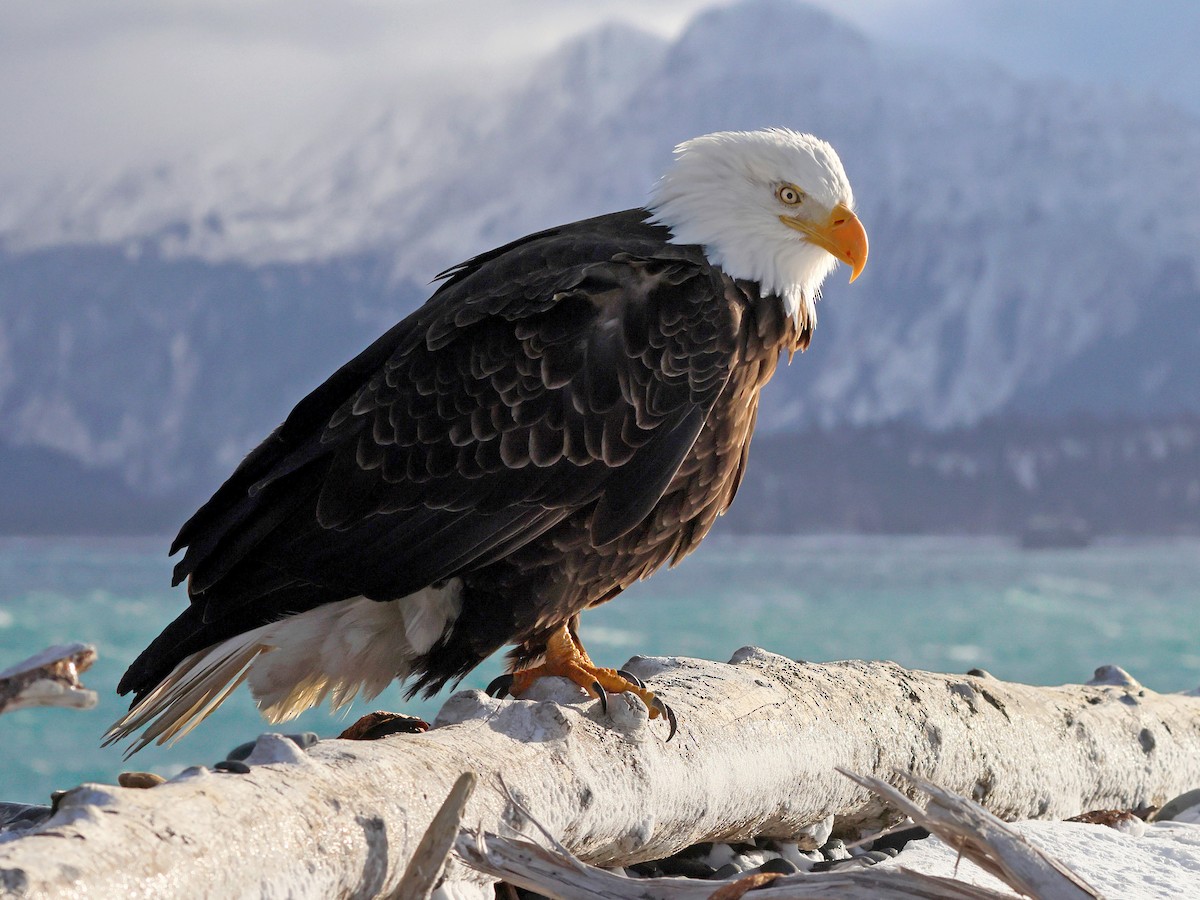
In 1963, only 417 nesting pairs of bald eagles remained in the lower 48 U.S. states due to DDT pesticide poisoning, which caused eggshell thinning and reproductive failure. After banning DDT in 1972, protecting habitat under the Endangered Species Act, and captive breeding programs, the population rebounded to over 70,000 nesting pairs by 2010. The eagle was delisted in 2007.
The Arabian Oryx
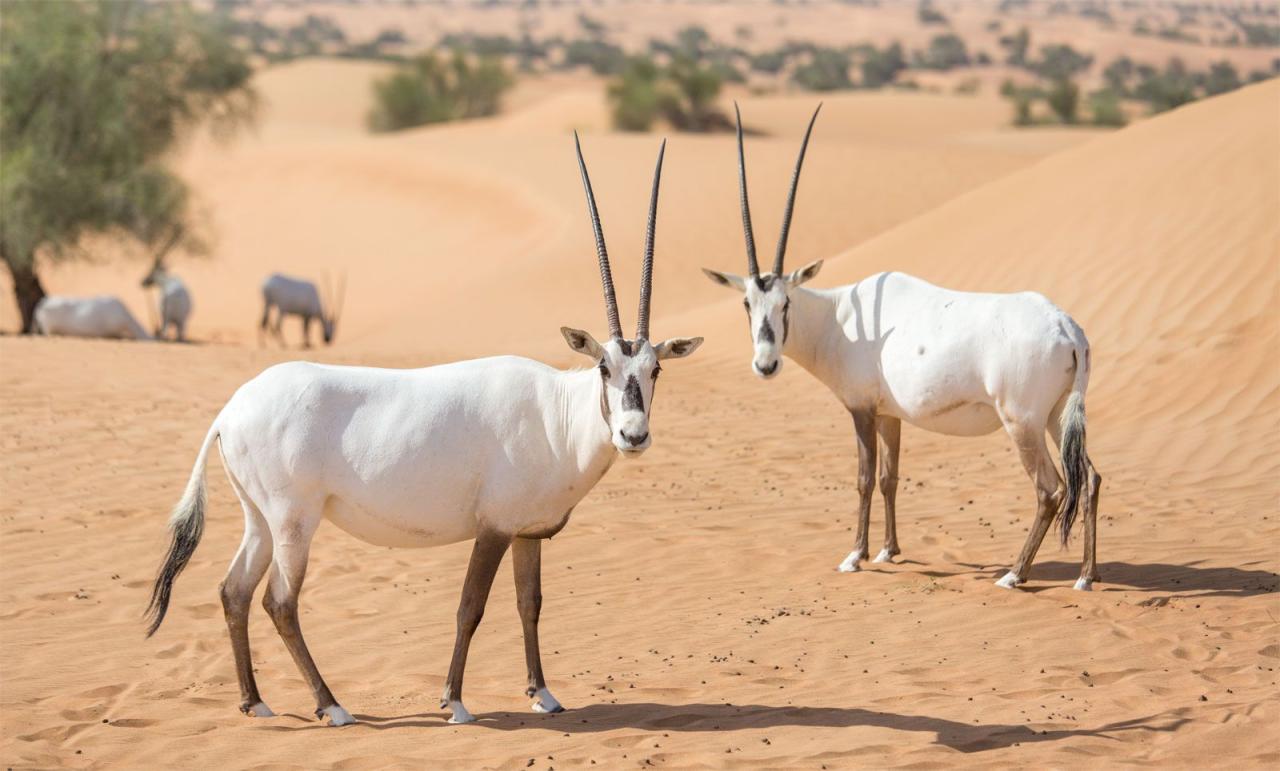
Hunted to extinction in the wild by 1972 due to trophy hunting and habitat loss, the Arabian oryx survived only in zoos. A captive breeding program reintroduced the first individuals to Oman in 1982. Today, over 1,000 roam protected reserves in Saudi Arabia, UAE, Jordan, and Israel.
The Humpback Whale
Commercial whaling reduced humpback populations by 95% before international bans took effect in 1966 (whale hunting) and 1986 (all commercial whaling). Protection, combined with ending most hunting, allowed populations to recover dramatically. Humpbacks are now listed as Least Concern, with populations approaching pre-whaling numbers in many regions.
The Giant Panda
Decades of habitat protection, anti-poaching enforcement, and captive breeding have doubled wild panda populations since the 1980s. In 2016, the panda was downlisted from Endangered to Vulnerable. China’s extensive network of panda reserves now protects the species and many other unique forest animals.
The Window of Opportunity Is Closing
The evidence is undeniable: the animal extinction problem is worsening rapidly. Current extinction rates are unsustainable. Without immediate, aggressive action, Earth stands to lose half its species by the end of this century. Such a loss would represent not only a moral tragedy but also a practical disaster for human civilization.
However, the trajectory is not fixed. History shows that when humanity organizes collectively banning DDT, protecting whales, restoring wolf populations extinction rates can decline, and species can recover. The necessary tools, technologies, and policies exist. What remains needed is political will, financial investment, and public demand for change.
Every day of delay pushes more species closer to the point of no return. The question is not whether we can afford to save these animals. Rather, it is whether we can afford to let them vanish. The answer, for the sake of ecosystems, economies, and future generations, must be no.
Each person reading this article has the power to influence the outcome through lifestyle choices, consumer decisions, political engagement, and spreading awareness. The extinction crisis is humanity’s challenge to solve. Let us rise to meet it before it is too late.