In a stunning breakthrough that seems pulled from the pages of a science fiction novel, researchers have successfully unveiled the first viable future genetic animal hybrid a creature born from the DNA of three distinct species, designed to survive extreme environmental conditions. This revelation, made public earlier this week by a joint team of geneticists from the International Institute of Synthetic Biology, has ignited both awe and alarm across the scientific community and the general public alike.
The creation, dubbed “Chimera 2.0,” is not merely a laboratory curiosity. It represents a paradigm shift in how humanity approaches genetic manipulation. For decades, scientists have tinkered with single-gene modifications in crops and livestock. But this hybrid is different. It combines the resilience of extremophile bacteria, the regenerative capabilities of certain amphibians, and the cognitive adaptability of mammals—all within a single, breathing organism.
This article will explore the science behind this revelation, the methods used to create such hybrids, the potential benefits and risks, the ethical debates they trigger, and what the future holds for genetic engineering. By the end, you will understand why this hybrid is not just a scientific milestone but a turning point in our relationship with nature itself.
A. The Science Behind Genetic Animal Hybrids
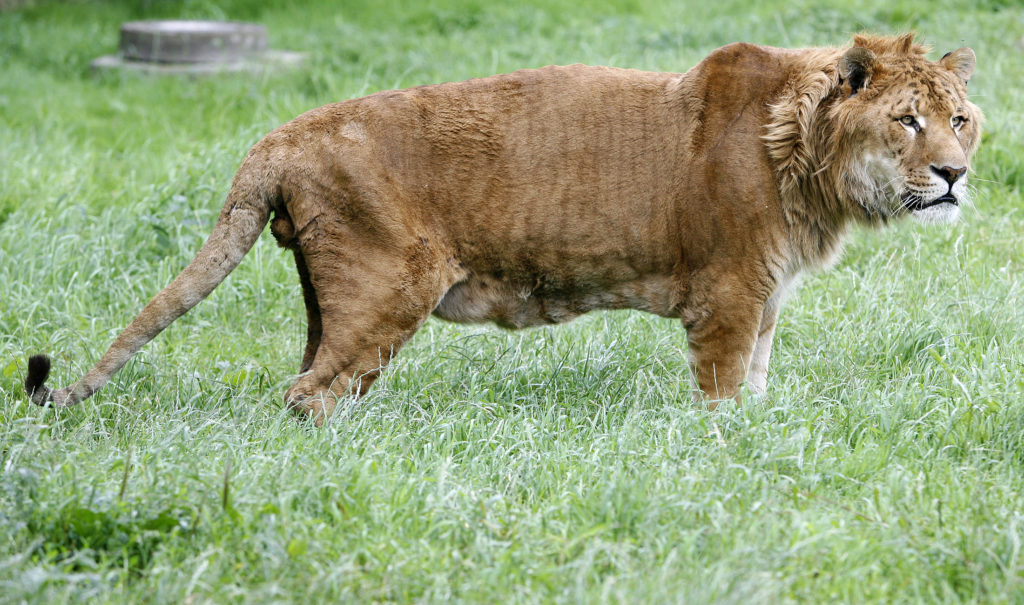
To fully appreciate the magnitude of this revelation, one must first understand the foundational science. Genetic animal hybrids are not new in concept. Nature itself produces hybrids, such as the mule (horse + donkey) or the liger (lion + tiger). However, these natural hybrids occur only between closely related species. The future genetic animal hybrid transcends these biological barriers entirely.
A1. Breaking the Species Barrier
Traditional crossbreeding relies on sexual reproduction between species with compatible chromosomes. The mule, for instance, inherits 63 chromosomes from its parents (32 from the horse, 31 from the donkey), rendering it sterile. But what happens when the species are separated by millions of years of evolution, such as a bird and a reptile? Conventional reproduction fails.
Future genetic hybrids use a suite of advanced tools, including:
-
CRISPR-Cas9 and its successors: These molecular scissors allow scientists to cut DNA at precise locations and insert genes from entirely different organisms.
-
Synthetic chromosomes: Researchers can now build artificial chromosomes from scratch, incorporating genetic sequences that never existed in nature.
-
Gene drives: These ensure that specific hybrid traits are passed down to future generations, even if they reduce natural reproductive fitness.
A2. The Three-Parent Genetic Model
The newly revealed hybrid utilizes a tripartite genetic foundation. Rather than mixing two genomes, scientists successfully integrated three:
-
DNA from the tardigrade (water bear): Provides extreme resistance to radiation, dehydration, and temperature fluctuations.
-
DNA from the axolotl salamander: Grants remarkable regenerative abilities, including the capacity to regrow limbs, spinal cord tissue, and even portions of the heart.
-
DNA from the bottlenose dolphin: Offers advanced problem-solving skills, social intelligence, and echolocation-like sensory processing.
The result is an organism roughly the size of a house cat, with smooth, translucent skin, six limbs (four for locomotion, two adapted for manipulation), and a complex nervous system capable of learning.
B. How the Hybrid Was Created: Step-by-Step Process
The creation of a future genetic animal hybrid is not a single event but a meticulously choreographed sequence of laboratory procedures. Below is the simplified process as described in the released technical summary.
A. Genomic Sequencing and Selection
Scientists first sequenced the complete genomes of the three donor species: tardigrade, axolotl, and dolphin. Using AI-driven bioinformatics, they identified specific gene clusters responsible for the desired traits—heat shock proteins, blastema formation genes, and neocortical development genes.
B. Synthesis of Artificial DNA
Rather than extracting DNA directly (which often carries unwanted viral elements or junk sequences), the team chemically synthesized over 200,000 base pairs of custom DNA. This synthetic DNA included only the functional genes and their regulatory elements.
C. Creation of a Viable Nucleus
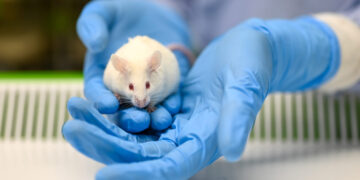
The synthetic DNA was packaged into a nucleus derived from a donor egg cell of a laboratory mouse, after removing the mouse’s original nucleus. This step ensured that the hybrid’s cellular machinery could properly read the new genetic instructions.
D. Embryo Development in a Bio-Artifical Womb
Instead of using a surrogate mother—which raises significant animal welfare concerns—the hybrid embryo was grown in a bio-artificial womb system. This device mimics the conditions of a natural uterus, providing nutrients, oxygen, and hormonal signals. The hybrid developed over 120 days, approximately twice as long as a mouse’s gestation due to the complexity of the genetic instructions.
E. Post-Birth Genetic Stabilization
Upon “birth” (the hybrid emerged fully formed from the artificial womb), researchers administered a CRISPR-based stabilization therapy to correct any somatic mutations that arose during development. The hybrid, named “Aura” by the lead scientist, has now survived for eight months with no signs of genetic degradation.
 C. Potential Benefits of Future Genetic Animal Hybrids
Why invest billions into creating hybrid organisms? Proponents argue that the potential applications are too significant to ignore. Below are the most compelling benefits.
A. Environmental Resilience
Climate change is accelerating faster than many species can adapt. Hybrids designed with extremophile traits could be released into degraded ecosystems to perform critical functions—pollinating plants in deserts, breaking down plastic waste in oceans, or sequestering carbon in permafrost regions.
B. Medical Breakthroughs
The axolotl’s regenerative genes, once properly integrated into hybrid models, could pave the way for human regenerative medicine. Scientists have already observed that the new hybrid heals deep wounds without scarring within 48 hours. Understanding this mechanism may lead to therapies for spinal cord injuries, severe burns, and even organ regeneration.
C. Agricultural Efficiency
Livestock hybrids could be engineered to resist diseases like avian flu or African swine fever without antibiotics. They could also be designed to produce less methane or convert feed into protein more efficiently, reducing the environmental footprint of meat production.
D. Space Colonization
Organisms that can withstand cosmic radiation, vacuum exposure, and temperature extremes are ideal candidates for terraforming other planets. Future genetic hybrids may serve as the first pioneers on Mars, producing oxygen, breaking down toxic regolith, and creating arable soil.
E. Conservation of Endangered Species
If a species is down to a handful of individuals, inbreeding depression becomes inevitable. By introducing carefully selected genes from other species—while preserving the core identity—scientists could “rescue” dying populations. The hybrid technique does not replace natural conservation but offers a last-resort tool.
D. Risks and Ethical Concerns
No discussion of future genetic animal hybrids is complete without addressing the darker side. The scientific community remains deeply divided, and for good reason.
A. Unpredictable Ecological Consequences
Releasing a hybrid into the wild is not like releasing a native species. Its traits—enhanced survival, rapid reproduction, or novel metabolic pathways—could outcompete natural organisms. An engineered hybrid could become an invasive super-species, destabilizing food webs and driving native species to extinction.
B. Animal Welfare
What is the quality of life for a hybrid creature? Early attempts at genetic hybridization in the 2020s resulted in animals with chronic pain, organ malformations, and neurodevelopmental disorders. While Chimera 2.0 appears healthy, critics argue that creating any sentient being solely for human purposes—especially one with dolphin-derived cognitive capacities—is inherently exploitative.
C. Bioterrorism and Dual-Use Dilemmas
The same technology that creates beneficial hybrids could be weaponized. A hybrid designed to destroy crops, spread toxins, or evade immune systems is not far-fetched. The technical protocols for creating hybrids are now publicly available in peer-reviewed journals, raising questions about regulation and oversight.
D. Loss of Biological Authenticity
Some environmental ethicists argue that there is intrinsic value in “wildness” and natural evolution. To replace a naturally evolved species with a synthetic hybrid, no matter how capable, is to erase millions of years of evolutionary history. They ask: At what point does a hybrid cease to be an animal and become a machine?
E. Religious and Cultural Objections
Many religious traditions hold that humans should not “play God” by creating novel life forms. Others see species boundaries as divinely ordained. These objections are not merely superstitious; they reflect deeply held worldviews that demand respect in any democratic policy-making process.
E. The Regulatory Landscape
As of 2026, no international treaty comprehensively governs the creation of future genetic animal hybrids. The Cartagena Protocol on Biosafety covers genetically modified organisms (GMOs) but was written before advanced synthetic biology and chromosomal synthesis were feasible. Several nations have stepped forward with their own rules:
A. United States
The FDA now classifies certain animal hybrids as “new animal drugs” if they contain non-animal DNA. However, the EPA and USDA also claim jurisdiction depending on the hybrid’s intended use. This fragmented system leads to regulatory gaps.
B. European Union
The EU has taken the strictest stance. Under the revised Directive 2024/09 on Novel Organisms, any hybrid containing synthetic DNA or DNA from more than two species is banned outright for release. Laboratory research requires a special permit from the European Synthetic Biology Authority.
C. China
China has adopted a pragmatic but cautious approach. Hybrids can be created and tested inside accredited biosafety level 4 (BSL-4) facilities. Commercial release is possible only after a 10-year observational period. Notably, China has already approved a hybrid rice-pigmented microorganism for producing meat substitutes.
D. International Treaty Proposal
A coalition of 35 nations is currently negotiating the “Nairobi Convention on Genetic Chimeras,” which would establish a global registry of hybrids, require environmental impact assessments, and ban the creation of human-animal hybrids (a related but distinct issue).
F. Public Reaction and Media Coverage
When the future genetic animal hybrid was revealed via a livestreamed press conference, the internet exploded. Within 24 hours, the hashtags #HybridAwakening and #Nature2.0 trended on social media platforms. Reactions have varied dramatically:
-
Optimists celebrated the hybrid as a triumph of human ingenuity, comparing it to the moon landing or the discovery of antibiotics.
-
Pessimists warned of a “Black Mirror” future where wealthy elites engineer custom pets, soldiers, or laborers.
-
Animal rights groups staged protests outside the research institute, holding signs that read “Life is Not a Lego Set” and “Stop the Chimera Suffering.”
-
Science educators saw an opportunity to inspire a new generation of biologists, with many schools requesting virtual tours of the research facility.
Polling conducted by the World Science Survey found that 48% of respondents supported continued hybrid research with strict oversight, 32% called for an immediate moratorium, and 20% were undecided. Support was highest among adults under 30 and lowest among those over 65.
G. What Comes Next? The Future of Genetic Hybrids
The revelation of Chimera 2.0 is not the end—it is the beginning. Research teams around the world are already racing to create their own hybrids, each with different goals. Here is what we can expect in the coming decade.
A. De-extinction Hybrids
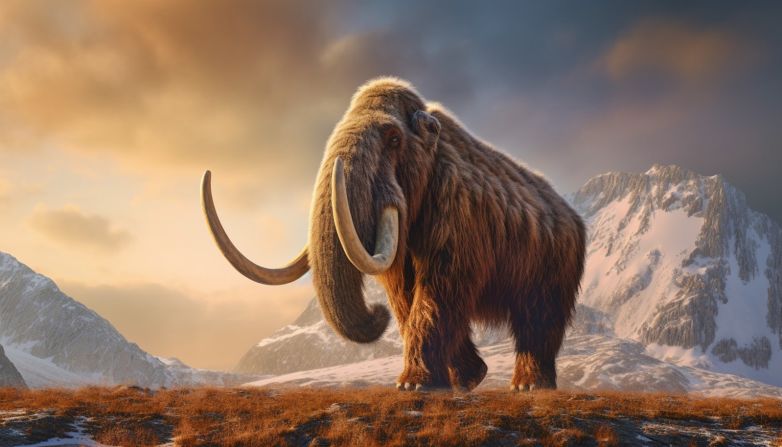
Rather than perfectly cloning a woolly mammoth or a passenger pigeon, scientists plan to create hybrids that carry the most iconic traits of these lost species (cold resistance, flocking behavior, etc.) combined with the hardiness of modern relatives. These “functional equivalents” could restore lost ecological roles.
B. Industrial Symbionts
Hybrid microbes designed to live inside factory smokestacks or water treatment plants could consume pollutants and excrete valuable metals or fuels. The first factory-scale trial is scheduled for 2028 in Germany.
C. Personal Companion Hybrids
A controversial startup has already announced plans for a “hypoallergenic, cognitively aware” hybrid pet that never sheds fur, can learn 50 voice commands, and lives 30 years. Ethical review boards have blocked the project for now, but the commercial pressure is immense.
D. Legal Battles Over Hybrid Rights
If a hybrid possesses dolphin-level intelligence (self-awareness, problem-solving, emotional bonds), should it have legal rights? A lawsuit filed in New Zealand last month argues yes. The plaintiff seeks to have Chimera 2.0 recognized as a “non-human person” with a guardian appointed by the court.
E. Open-Source Biology
As the tools become cheaper (CRISPR kits now cost under $200), amateur biologists may attempt to create their own hybrids in garage labs. While most such attempts will fail, a single success could lead to an accidental release. The scientific community is urgently discussing licensing systems and DNA synthesis screening.
 H. How to Stay Informed and Engaged
Given the rapid pace of developments, it is essential for the public to stay informed without succumbing to sensationalism. Below are recommended actions:
A. Follow Primary Sources
Subscribe to reputable journals such as Nature Biotechnology, The CRISPR Journal, and Synthetic Biology. Avoid clickbait headlines on social media.
B. Engage with Public Forums
The international “Global Hybrid Dialogue” holds monthly virtual town halls where scientists answer questions from the public. The next session is on June 15th, 2026.
C. Support Ethical Frameworks
Advocate for transparent, democratic oversight of hybrid research. Organizations like the “Center for Responsible Genetics” offer model legislation and petition templates.
D. Educate the Next Generation
High school biology curricula must include units on bioethics and synthetic biology. Several free resources are available through the “BioFutures Education Initiative.”
E. Participate in Citizen Science
Some hybrid research projects now invite citizen volunteers to help monitor simulated hybrid populations in virtual ecosystems. This contributes to ecological risk modeling without real-world dangers.
I. Conclusion: A Crossroads for Humanity
The revelation of the future genetic animal hybrid is neither a utopian miracle nor a dystopian catastrophe. It is a tool an extraordinarily powerful one that reflects the intentions and wisdom of its users. If guided by prudence, compassion, and long-term thinking, this technology could heal ecosystems, cure diseases, and even safeguard life against planetary disasters. If driven by short-term profit, hubris, or military ambition, it could unleash suffering and ecological collapse.
Chimera 2.0 stares at us from its enclosure not with malice or adoration, but with the quiet curiosity of a living creature that never asked to exist. The question is not whether we can create such beings. We already have. The question is whether we are wise enough to decide when and why.
As you leave this article, consider your own stance. Are hybrids the next step in evolution or a step too far? The future is not written in our genes alone. It is written in our choices.