Every country carries a silent heartbeat in its wilderness a wild creature that roams its forests, soars above its peaks, or swims through its waters, embodying the spirit of the land and its people. These beloved wild animals are not merely biological residents; they are national icons, woven into folklore, currency, flags, and the collective pride of millions. Some are fierce, others gentle, but all tell a story of how nature and identity become one. This article explores the most cherished wild animal in each nation, diving deep into why these creatures capture hearts, how they influence conservation efforts, and what they reveal about cultures across the globe.
The Power of a National Wildlife Symbol
Before we journey continent by continent, it is essential to understand why a wild animal becomes “beloved” rather than just “recognized.” In many countries, the choice is historical—a beast that helped early settlers survive or a predator that instilled both fear and respect. In others, it is ecological: an animal found nowhere else on Earth, making its survival a point of national duty. Some nations adopt animals through unofficial public affection, like the way Britons adore the red fox despite having a royal lion as an official emblem.
A beloved wild animal often appears in children’s stories, on postage stamps, and during international sporting events as a mascot. The emotional bond between citizens and their wild icon can drive tourism, inspire art, and even shape environmental laws. Conversely, when that animal faces extinction, the entire nation mourns as if losing a piece of itself.
Continent by Continent: The World’s Favorites
A. Asia – Ancient Lands, Sacred Beasts
Asia, the largest and most populous continent, is home to a stunning array of beloved wild animals, many tied to religious reverence or dynastic legend.
1. India – The Royal Bengal Tiger
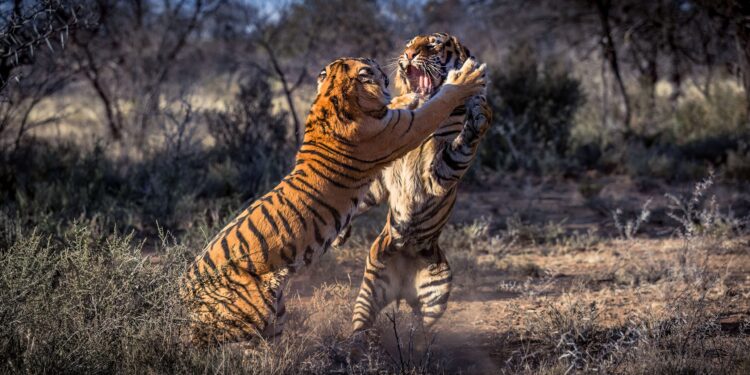
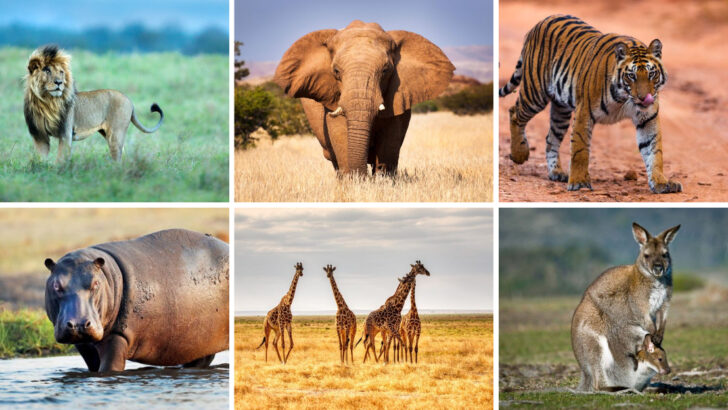
No wild animal captures India’s imagination like the tiger. With glowing amber eyes and striped majesty, the Royal Bengal Tiger (Panthera tigris tigris) is both feared and worshipped. Ancient Hindu mythology links the tiger to the goddess Durga, who rides one into battle. Today, the tiger symbolizes strength, agility, and ecological balance. India’s Project Tiger, launched in 1973, transformed conservation by creating reserves that now host over 70% of the world’s wild tigers. Villagers living near parks like Ranthambore often speak of tigers as “village elders” watching over the forest.
2. China – The Giant Panda
Instantly recognizable, the giant panda (Ailuropoda melanoleuca) is China’s unofficial national treasure. Unlike many symbols, the panda represents peace and friendship rather than aggression. Black-and-white fur, a bamboo-only diet, and an oddly clumsy gait make it universally endearing. China has used “panda diplomacy” for decades, loaning these bears to zoos worldwide as gestures of goodwill. Conservation success stories abound: due to intense protection, pandas were downgraded from Endangered to Vulnerable in 2021. However, habitat fragmentation remains a threat.
3. Japan – The Japanese Macaque (Snow Monkey)
Japan’s most beloved wild animal is neither mythical nor fierce—it is the snow monkey (Macaca fuscata). These red-faced primates endure freezing winters in Nagano’s Jigokudani Monkey Park, famously soaking in hot springs while snow rests on their heads. Their human-like social behaviors—grooming, playing, and even making snowballs—create deep public affection. Japanese folklore often depicts the macaque as clever and mischievous, and they appear in countless anime and children’s books.
4. Indonesia – The Komodo Dragon
As the only country where the Komodo dragon (Varanus komodoensis) exists in the wild, Indonesia holds a fierce pride for this living fossil. Growing up to 10 feet long and weighing over 150 pounds, it is the world’s heaviest lizard. Despite its venomous bite and predatory nature, the dragon draws thousands of tourists to Komodo National Park. Locals revere it as a descendant of ancient crocodile-like creatures, and its image appears on Indonesian coins and souvenirs.
5. Thailand – The Asian Elephant
While the elephant is not Thailand’s official national animal, it is undoubtedly the most beloved. For centuries, white elephants symbolized royal power; even today, the elephant represents strength, loyalty, and good fortune. In reality, wild Asian elephants (Elephas maximus) face severe habitat loss. Thai people celebrate National Elephant Day on March 13, and many temples keep rescued elephants as living symbols of compassion.
B. Africa – Icons of the Untamed Savannah
Africa’s megafauna dominate global wildlife imagery. Each country has chosen (or informally adopted) an animal that reflects its unique landscapes.
1. Kenya – The African Lion
Kenya’s national animal, the lion (Panthera leo), is the undisputed king of the Masai Mara. Lions appear in Maasai warrior tradition—killing a lion was once a rite of passage (now banned and replaced with conservation roles). Tourists dream of spotting a lion pride during the Great Migration. However, lion populations have dropped by 43% in the last two decades, making Kenya’s pride deeply concerned for their future.
2. South Africa – The Springbok
Though the Big Five (lion, leopard, rhino, elephant, buffalo) attract tourists, South Africa’s most beloved wild animal is the springbok (Antidorcas marsupialis). This medium-sized antelope performs “pronking”—leaping high with an arched back—a behavior that delights viewers. The springbok is the national rugby team’s emblem, uniting a diverse nation. It symbolizes resilience, speed, and the arid beauty of the Karoo.
3. Botswana – The African Elephant
Botswana holds the world’s largest elephant population (over 130,000). The African bush elephant (Loxodonta africana) is so loved that the country focuses its tourism entirely on elephant encounters. Conservation here balances human-wildlife conflict; elephants sometimes destroy crops, yet most Batswana view them as economic and cultural treasures. The elephant’s memory, social bonds, and matriarchal herds mirror local family values.
4. Madagascar – The Ring-Tailed Lemur
Endemic to Madagascar, the ring-tailed lemur (Lemur catta) is the island’s star. With its black-and-white striped tail held high like a flag, it appears in every nature documentary about Madagascar. But beyond fame, lemurs are sacred to many Malagasy tribes, who believe they are ancestors returned to the forest. Habitat destruction has pushed lemurs to the brink—over 90% are threatened. Ecotourism now funds reforestation, and locals have begun protecting “lemur corridors.”
 C. Europe – Mythical Remnants and Urban Survivors
Europe’s wild animals often straddle the line between fairy tale and city park. Beloved species here include those that have adapted to human presence.
1. United Kingdom – The Red Fox
While the lion and unicorn decorate the royal coat of arms, the real favorite is the red fox (Vulpes vulpes). Found in London gardens and Scottish Highlands alike, foxes are seen as clever, adaptable, and a little cheeky. Children’s literature (Roald Dahl’s Fantastic Mr. Fox) and countless viral videos of urban foxes stealing shoes have cemented their place. Unlike many symbols, no law protects foxes from hunting debates—public opinion fiercely loves them, yet controversy continues.
2. Finland – The Brown Bear
Finland’s national animal, the brown bear (Ursus arctos), is simultaneously feared and revered. In old Kalevala poetry, the bear was a sacred, divine creature never named aloud—only called “the apple of the forest.” Today, Finland has a healthy bear population, and wildlife safaris in the eastern forests allow safe viewing. Finns respect the bear’s solitude and strength, seeing it as a mirror of their own national character: quiet, resilient, and wild at heart.
3. Poland – The White Stork
Poland loves the white stork (Ciconia ciconia) more than any other animal. Over 25% of the world’s stork population nests in Poland. These birds return each spring from Africa, signaling renewal and good luck. Polish villages install special platforms on rooftops, and the stork’s clattering beak is a beloved sound. Legends say storks bring babies, so harming one is taboo. The stork also represents Polish diaspora—storks migrating across borders echo the journeys of Polish families abroad.
4. Italy – The Italian Wolf
Italy’s unofficial beloved animal is the Apennine wolf (Canis lupus italicus). According to Roman myth, a she-wolf nursed Romulus and Remus, the founders of Rome. Today, the wolf survives in the Abruzzo mountains, far from the city. Italians cherish the wolf as a symbol of wildness that cannot be tamed, yet its population is recovering due to strict laws. However, farmers sometimes clash with wolves over livestock, creating ongoing tension between love and livelihood.
D. The Americas – From Arctic Giants to Jungle Icons
The Americas stretch from polar bears to pumas, offering some of the most emotionally charged national animals.
1. United States – The Bald Eagle
No country has a more politically charged beloved animal than the US with its bald eagle (Haliaeetus leucocephalus). Chosen in 1782 for its long life, great strength, and majestic looks, the eagle appears on the Great Seal, the dollar bill, and countless military insignias. Nearly extinct in the lower 48 states by 1963 due to DDT poisoning, the eagle made a miraculous comeback after the pesticide ban. Americans feel pride when seeing a wild eagle soar—a symbol of freedom and recovery.
2. Canada – The North American Beaver
While the moose and polar bear are popular, Canada’s true beloved wild animal is the beaver (Castor canadensis). Responsible for shaping North America’s waterways and fur trade history, the beaver is a national symbol of industriousness and perseverance. It appears on the nickel coin and reached iconic status thanks to the Hudson’s Bay Company. Beavers build dams that create wetlands for other species, making them ecological heroes. Canadians affectionately call them “nature’s engineers.”
3. Brazil – The Jaguar
Brazil’s Amazon rainforest harbors the jaguar (Panthera onca), the largest big cat in the Americas. Indigenous tribes revere the jaguar as a shape-shifter, a guardian of the underworld, and a totem of power. Unlike Africa’s lions, jaguars are elusive—spotting one in the Pantanal is a bucket-list dream. Brazil’s conservation focus on jaguars helps protect entire ecosystems, though deforestation and fires remain grave threats. The jaguar’s rosette-patterned coat is a national fashion motif.
4. Argentina – The Rufous Hornero (Ovenbird)
Argentina’s national bird, the rufous hornero (Furnarius rufus), is an unassuming brown bird known for its remarkable mud nest shaped like an oven. Argentines admire its hard work, family loyalty, and simple beauty. The hornero appears on the 1,000 peso note, and it is illegal to destroy its nest. Schoolchildren learn that the hornero represents the value of honest labor. It is not flashy—and that is precisely why Argentina loves it.
5. Mexico – The Golden Eagle
Mexico’s beloved wild animal, the golden eagle (Aquila chrysaetos), sits at the center of the national flag, perched on a cactus devouring a snake. This image comes from an Aztec prophecy about where to build Tenochtitlán (now Mexico City). The eagle stands for courage, vision, and Mexican heritage. Although golden eagles are rare in Mexico today, conservation programs work to restore them. Every September 15, the eagle’s image dominates Independence Day celebrations.
Unique Beloved Animals by Smaller Nations and Islands
Not all beloved animals are massive predators. Some nations adore tiny, quirky creatures.
A. Australia – The Red Kangaroo
Australia’s most beloved wild animal is the red kangaroo (Osphranter rufus), which also graces the national coat of arms. Kangaroos are unique to Australia—they hop, carry joeys in pouches, and embody the outback’s resilience. However, they are also culled to prevent overpopulation, creating a paradox: killing what you love. Most Australians accept sustainable management but still smile at every roadside kangaroo sighting.
B. New Zealand – The Kiwi
New Zealanders themselves are called “Kiwis” after the flightless, nocturnal kiwi bird (Apteryx). This shy creature, about the size of a chicken, lays an egg nearly one-third its body weight. Kiwis are vulnerable to introduced predators like stoats and cats. The entire nation unites for “Save the Kiwi” campaigns, and the bird appears on everything from shoes to military badges. To see a kiwi in the wild is considered a spiritual moment.
C. Nepal – The Cow (domestic but revered) + Snow Leopard
While the cow is sacred and domesticated, Nepal’s beloved wild animal is the snow leopard (Panthera uncia), known as the “ghost of the Himalayas.” Living above 10,000 feet, snow leopards are rarely seen, yet their survival is a source of national pride. Nepali Buddhists consider the snow leopard a protector of high mountains. Conservation efforts involve local herders reducing retaliation killings through insurance programs.
D. Sri Lanka – The Sri Lankan Leopard
Endemic to the island, the Sri Lankan leopard (Panthera pardus kotiya) is the apex predator here, as there are no lions or tigers. It is smaller than its mainland cousins but no less beloved. Leopards walk through Yala National Park’s jeep trails fearlessly, making them top tourist attractions. However, human-leopard conflict rises due to development. Sri Lankans call it “the leopard of golden fur” and have placed it on a banknote.
How Beloved Animals Shape Conservation Policy
The emotional connection between citizens and their wild icons directly influences environmental laws. For example:
-
India’s tiger reserves became stricter after public outrage over poaching.
-
China’s panda loans fund habitat restoration beyond national borders.
-
Finland’s bear hunting quotas are debated every year in parliament with emotional testimony.
-
Mexico’s golden eagle reintroduction receives federal funding because the bird is on the flag.
When a beloved animal declines, newspaper headlines use words like “betrayal” and “tragedy.” When it recovers, entire nations celebrate. This psychology has saved multiple species from extinction. Conservationists today deliberately campaign around “flagship species”—the tiger, panda, elephant—because donations pour in for charismatic megafauna.
Hidden Beloved Animals You May Not Know
Not every country follows megafauna logic. Some love the small and strange:
A. Bhutan – The Takin
The takin (Budorcas taxicolor) is a goat-antelope with a swollen nose, shaggy fur, and a slow, deliberate walk. Bhutanese legend says a great saint created the takin from cow and goat bones. It is clumsy, odd-looking, and completely beloved—appearing on postage stamps and festival masks.
B. Mongolia – The Przewalski’s Horse
The last truly wild horse species, reintroduced to the steppes after extinction in the wild, is Mongolia’s proudest conservation victory. Locals call it “takhi” (spirit). Unlike domesticated horses, these have never been ridden. Mongolians see them as ancient ancestors returning home.
C. Panama – The Harpy Eagle
The world’s most powerful eagle, with talons as long as bear claws, is Panama’s national bird. The harpy eagle (Harpia harpyja) preys on sloths and monkeys. Panamanians love its fierce, crested face—it represents the wild Darién Gap untouched by roads. Deforestation threatens it, so many NGOs use the harpy as a rainforest ambassador.
The Dark Side of Beloved Wildlife
Unfortunately, beloved status does not guarantee safety. In some countries, poachers ignore public sentiment because illegal wildlife trade pays more. For example:
-
Tigers in India still die for their skins and bones.
-
Pangolins (beloved in China for being cute, but hunted for scales) hover near extinction.
-
Elephants in Botswana face a new threat: overpopulation leading to culling debates.
Additionally, the “cute” factor can harm less attractive but ecologically vital animals. Vultures, bats, and snakes rarely become beloved symbols, yet they clean carcasses, pollinate plants, and control rodents. Countries that only protect flagship species may lose entire ecological functions.
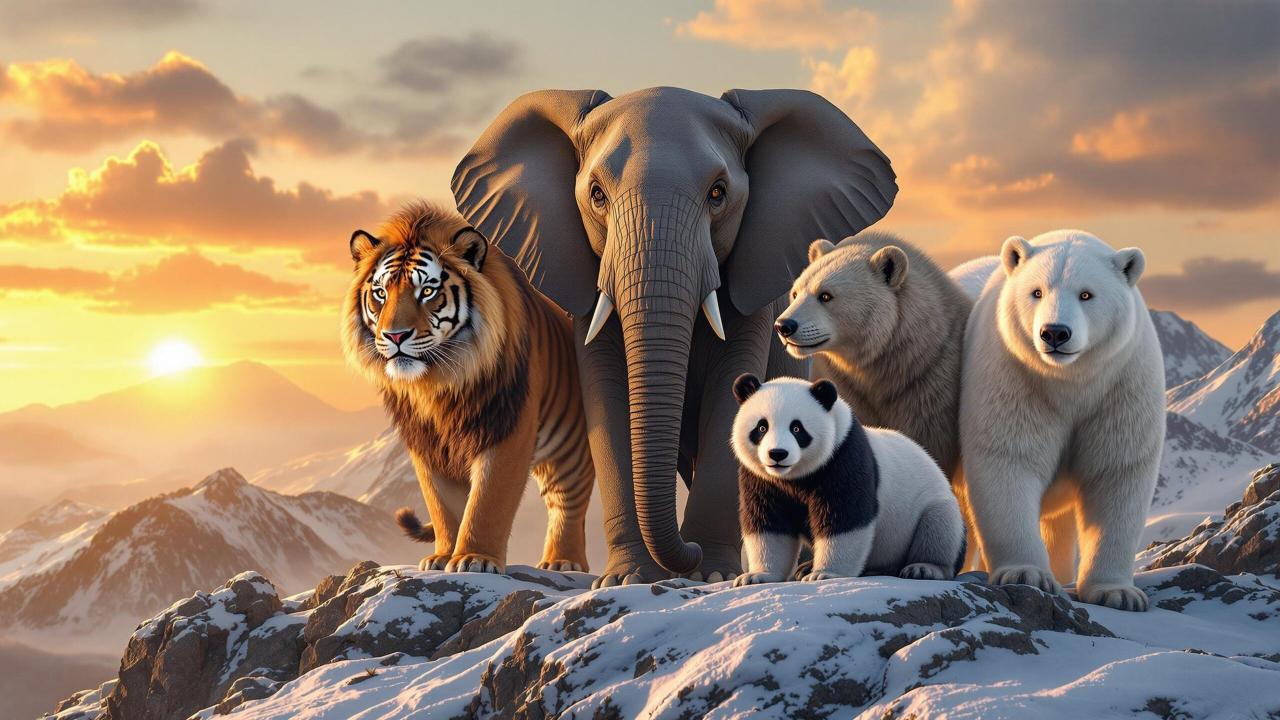 How You Can Help Beloved Animals Worldwide
As a global citizen, you can contribute to the survival of these national treasures:
A. Support ethical tourism – Visit national parks that reinvest fees into anti-poaching patrols. Avoid attractions that allow riding, petting, or feeding wild animals.
B. Reduce habitat destruction – Choose sustainable palm oil, avoid tropical hardwoods, and support reforestation projects in biodiversity hotspots.
C. Report illegal wildlife trade – If you see ivory, reptile skin, or exotic cat pelts for sale, alert local authorities. Many beloved animals are listed under CITES (Convention on International Trade in Endangered Species).
D. Educate children – Share stories of these animals’ cultural importance. The next generation’s love will drive future conservation funding.
E. Donate to small, local NGOs – International organizations are useful, but grassroots groups in countries like Nepal or Gabon often have higher success per dollar because they work directly with communities.
Conclusion: A Shared Heritage Without Borders
Looking across every country’s most loved wild animal, one truth emerges: no matter the culture, people need wild creatures to dream into. The tiger embodies India’s fierce beauty; the panda expresses China’s gentle power; the springbok leaps for South Africa’s joy; the beaver builds Canada’s quiet determination. These animals are not mere mascots. They are living links to ancient lands, childhood wonder, and the fragile hope that we can share Earth with other magnificent beings.
When you travel, seek out the national animal. Listen to locals speak of it. You will hear not just facts about diet and habitat, but poetry about identity, pride, and longing. Every country has a beloved wild animal. And every one of them needs our protection not because they are useful, but because we have chosen to love them.