For decades, the story of Earth’s biodiversity has been told as a one-way street toward extinction. Conservationists, biologists, and environmentalists have mourned the loss of countless species, believing them to be gone forever. But every so often, nature throws a curveball that shatters scientific expectations. Sometimes, an animal that has been declared extinct sometimes for over a century suddenly reappears in the wild, alive and well. These remarkable events are known as “Lazarus species,” named after the biblical figure who rose from the dead.
When an old animal species is rediscovered suddenly, it sends shockwaves through the scientific community and captivates the public’s imagination. These rediscoveries are more than just exciting headlines; they offer second chances for conservation, provide living windows into prehistoric ecosystems, and challenge our assumptions about extinction. However, they also raise critical questions: How did these species survive undetected for so long? And what can we do to protect them now that they are back in the spotlight?
This article explores the most astonishing cases of ancient species rediscovered after being presumed extinct, the science behind these events, the threats these creatures still face, and what their return means for the future of biodiversity.
The Phenomenon of Lazarus Species
The term “Lazarus taxon” was coined by paleontologists to describe a lineage that disappears from the fossil record only to reappear much later. In a modern conservation context, it refers to any species that was thought to have vanished from Earth entirely but is then found alive. Unlike cryptids (mythical creatures like Bigfoot), Lazarus species are real, documented, and verifiable.
A. Time gaps vary significantly – Some species disappear for a few decades, while others vanish for millions of years before being rediscovered.
B. Habitat plays a crucial role – Most Lazarus species are found in remote, inaccessible, or poorly studied regions where human activity is minimal.
C. Local knowledge is often key – Indigenous communities and local farmers frequently know about the continued existence of these animals, but scientists dismiss their reports as folklore.
D. Rediscovery is rarely accidental – Many rediscoveries result from targeted expeditions based on eyewitness accounts or old museum specimens.
E. Verification is required – A rediscovery is not official until a live specimen is photographed, captured, or genetically tested.
The Most Astonishing Rediscoveries of Ancient Species
1. The Coelacanth (Latimeria chalumnae)
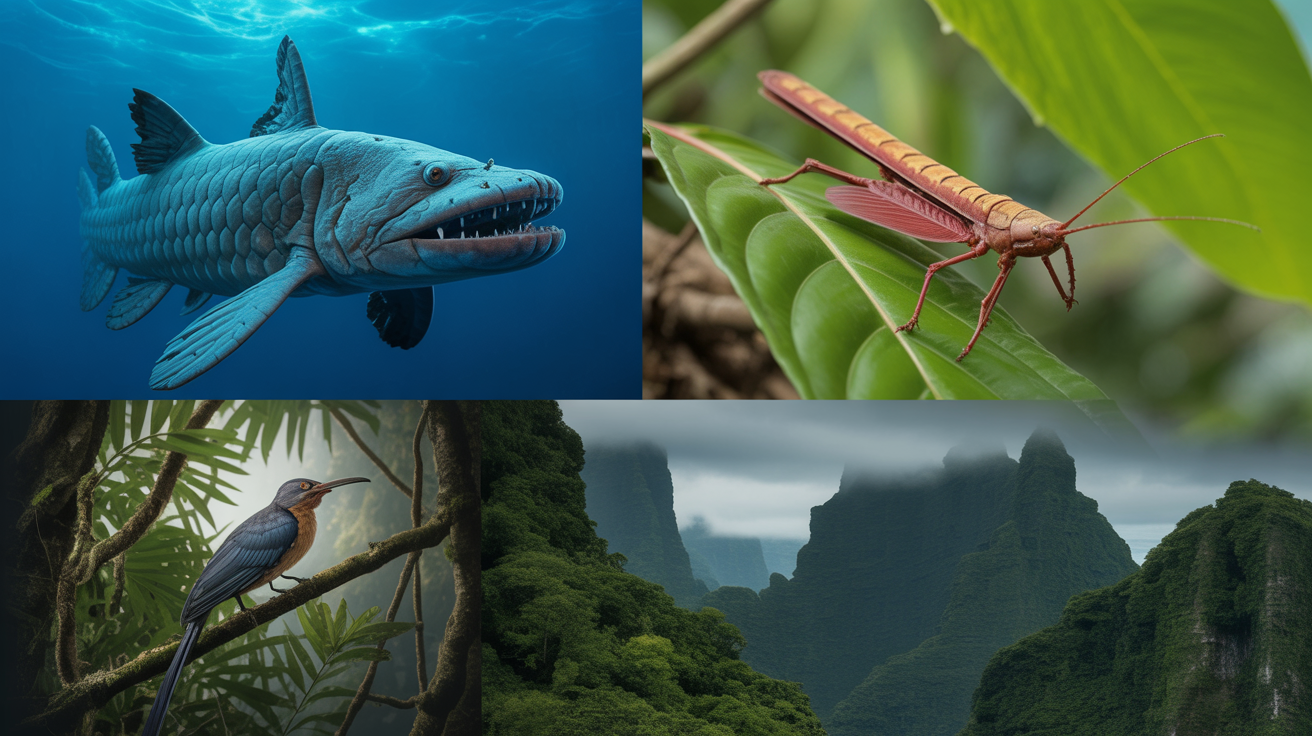
The coelacanth is the crown jewel of Lazarus species. This large, lobe-finned fish was believed to have gone extinct 66 million years ago alongside the dinosaurs. Fossil records showed a creature perfectly adapted for ancient seas, with limb-like fins that hinted at the evolutionary transition from water to land. Then, in 1938, a South African museum curator named Marjorie Courtenay-Latimer discovered a strange, metallic-blue fish among the catch of a local trawler off the coast of East London, South Africa.
A. How it survived – The coelacanth lives in deep underwater caves and volcanic slopes along the eastern African coast and Indonesia. Its slow metabolism and nocturnal habits allowed it to evade surface nets for millennia.
B. Scientific impact – The living coelacanth is almost identical to its 300-million-year-old fossils. This “living fossil” forced biologists to reconsider how slowly evolution can occur in stable environments.
C. Current status – Both known coelacanth species are critically endangered. Their population is estimated at fewer than 500 individuals.
D. Threats – Accidental bycatch in shark fishing operations remains the greatest danger.
2. The Fernandina Giant Tortoise (Chelonoidis phantasticus)
For over 110 years, the Fernandina giant tortoise was known only from a single male specimen collected in 1906. The remote volcanic island of Fernandina in the Galápagos archipelago is rugged, covered in sharp lava flows, and largely inaccessible. Scientists had declared the species extinct multiple times, assuming the harsh environment and volcanic activity had wiped out the last individuals.
Then, in February 2019, a joint expedition by the Galápagos National Park and the NGO Galápagos Conservancy found a lone female tortoise. She was old, estimated to be over 100 years, and was hiding in a dense patch of vegetation at the base of an active volcano.
A. Evidence of survival – Genetic testing confirmed she was indeed Chelonoidis phantasticus, not a hybrid or different species.
B. Why she survived – The tortoise survives on cacti and tough shrubs. Fernandina has no introduced predators like rats or goats, which have devastated other Galápagos tortoises.
C. Ongoing search – Tortoise footprints and scat were found nearby, suggesting at least two or three more individuals may exist.
D. Conservation plan – The female, named “Fernanda,” was taken to a breeding center on Santa Cruz Island. Teams continue to search for a male to begin a captive breeding program.
3. The Night Parrot (Pezoporus occidentalis)
Australia’s night parrot is a small, ground-dwelling bird that became a legend among ornithologists. It was last seen alive in 1912 and was officially listed as extinct by many authorities for nearly 80 years. Despite occasional unverified sightings and a single dead bird found in 1990, no living population was confirmed.
The breakthrough came in 2013 when naturalist John Young captured a photograph of a live night parrot in western Queensland after 15 years of searching. The image was blurry but undeniable. Since then, small populations have been located using acoustic monitors that record the bird’s unique call at dusk.
A. Survival strategy – The night parrot is strictly nocturnal, lives in dense spinifex grasslands, and moves silently. It rarely flies and freezes when threatened.
B. Population size – Fewer than 50 individuals are estimated to remain in the wild, making it one of the rarest birds on Earth.
C. Major threats – Feral cats, wildfires, and invasive buffel grass—which replaces native spinifex—are the primary dangers.
D. Protection measures – The known habitats are now under strict access control, and predator-proof fences are being constructed.
4. The Bermuda Petrel (Pterodroma cahow)
Also known as the “cahow,” this seabird was thought extinct for 330 years. It disappeared after European settlers introduced rats, pigs, and cats to Bermuda in the early 1600s. For centuries, no nests were found, and the bird was known only from fossils and old sailors’ accounts.
In 1951, a teenage Bermudian boy named David Wingate joined American ornithologist Robert Murphy on a remote island search. They discovered 18 nesting pairs hidden in tiny rock crevices on four isolated islets.
A. Comeback story – Wingate dedicated his entire life to the bird’s recovery. He built artificial nesting burrows, controlled predators, and restored native vegetation.
B. Current population – As of 2024, there are over 250 nesting pairs. The cahow has been downlisted from critically endangered to endangered.
C. Climate challenge – Rising sea levels and stronger hurricanes due to climate change now threaten the low-lying nesting islands.
D. Global importance – This rediscovery proved that even species absent for centuries can recover with intensive human assistance.
 5. The Laotian Rock Rat (Laonastes aenigmamus)
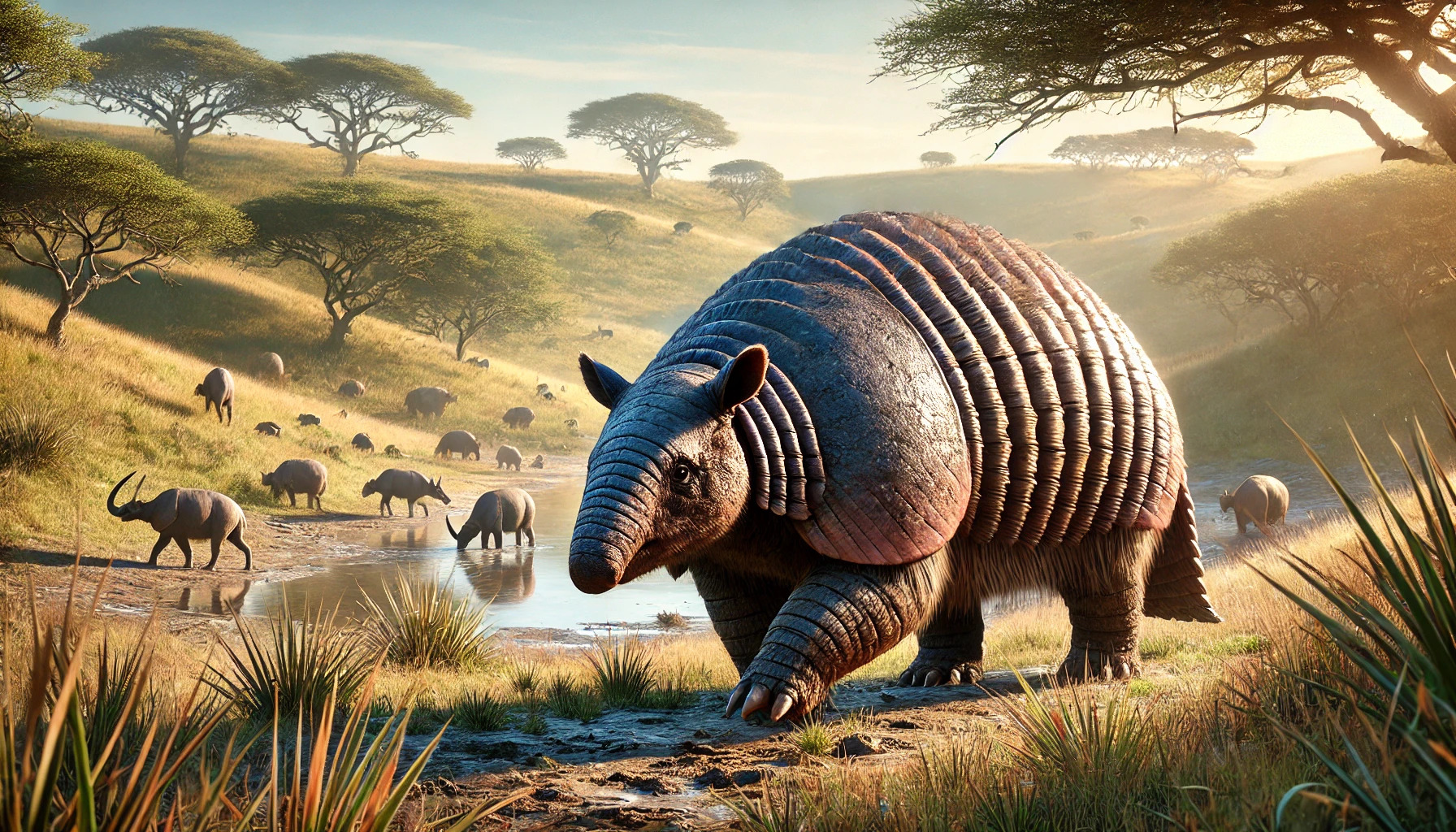
One of the most bizarre rediscoveries came not from the ocean or a remote island but from a food market in Laos. In 2005, a scientist saw a dead rodent for sale alongside vegetables and meats. The animal looked like a cross between a squirrel and a rat but had an unusually long, bushy tail.
When researchers examined the skull and DNA, they were stunned. The Laotian rock rat belonged to an ancient family called Diatomyidae, which was previously known only from fossils dating back 11 million years. This rodent is a true Lazarus species, having disappeared from the fossil record for longer than any other mammal.
A. Unique features – It has molar teeth similar to early ungulates (hoofed mammals) and a walking gait more reptilian than rodent-like.
B. Habitat – It lives among limestone karst formations and boulder fields in central Laos.
C. Diet – The rock rat eats leaves, grasses, and possibly insects. It is nocturnal and lives in small family groups.
D. Threats – Local hunters trap the species for food. Deforestation for agriculture also destroys its specialized habitat.
E. Conservation status – Currently listed as Least Concern, but scientists warn that data is severely limited.
Why Do Ancient Species Suddenly Reappear?
The sudden rediscovery of an ancient species often feels like magic, but there are logical ecological explanations. Understanding these reasons helps conservationists predict where other lost species might still be hiding.
A. Remote refugia – Many rediscovered species survive in small, isolated pockets of habitat that are difficult for humans to access. Caves, deep ocean trenches, dense cloud forests, and limestone karsts act as natural sanctuaries.
B. Nocturnal or cryptic behavior – Animals that are active at night, live underground, or have natural camouflage rarely encounter humans. The night parrot and many cave-dwelling insects are prime examples.
C. Low population density – A species can survive for centuries with a total population of only a few hundred individuals spread over a vast area. The chances of a human stumbling upon one are extremely low.
D. Morphological stasis – Some species have not evolved new physical features for millions of years because their environment has remained stable. When scientists see a living coelacanth, they do not recognize it as a survivor because it looks exactly like the fossil.
E. Misidentification by historical science – Early naturalists often misclassified specimens or collected them only once. Subsequent searches failed because they looked in the wrong season, elevation, or microhabitat.
F. Local knowledge ignored – Indigenous hunters and fishermen have passed down knowledge of “extinct” animals for generations. Western science is only now beginning to collaborate with these communities.
The Role of Technology in Modern Rediscoveries
While some rediscoveries happen by accident, most recent cases rely on cutting-edge technology. The tools available to biologists today are vastly superior to those of even 20 years ago.
A. Environmental DNA (eDNA) – Scientists can filter water or soil samples and detect traces of DNA left behind by animals. In 2020, eDNA confirmed the presence of the confirmed-dead shark Ray’s bream in the Gulf of Mexico.
B. Camera traps – Motion-activated cameras placed in remote forests have captured images of species not seen for decades. The ivory-billed woodpecker (still debated) and the silver-backed chevrotain were both rediscovered this way.
C. Acoustic monitoring – Automated recording devices can listen for specific animal calls for months at a time. This technique found the night parrot and is currently used to search for the possibly extinct Bachman’s warbler.
D. Satellite imagery – High-resolution satellite photos help researchers identify unvisited forest patches, remote islands, and mountain plateaus that may hide lost species.
E. Citizen science platforms – Apps like iNaturalist allow hikers, farmers, and amateur naturalists to upload photos of unusual animals. Several rediscoveries began with a citizen’s snapshot.
Challenges After Rediscovery
Finding a living Lazarus species is only the beginning. The real work starts the moment a survivor is confirmed. These animals face immediate and long-term challenges that differ from those of common species.
A. Extreme rarity – Most rediscovered species have tiny populations. Genetic diversity is dangerously low, leading to inbreeding depression and reduced disease resistance.
B. Habitat destruction – The same remote areas that hid the species are often threatened by logging, mining, oil exploration, or agricultural expansion after the rediscovery announcement.
C. Poaching and collecting – Unfortunately, news of a rediscovered species often attracts criminals. Rare animals command high prices on illegal wildlife markets. Fernandina tortoise eggs and Laotian rock rats are potential targets.
D. Scientific over-collection – In the past, researchers themselves collected too many specimens of rare species, pushing them back to extinction. Modern ethics require non-lethal sampling.
E. Disease spillover – Humans and their domestic animals can introduce novel pathogens. The endangered Hawaiian crow survived in captivity only to face avian malaria when reintroduced.
F. Funding instability – Conservation funding is often short-term. A rediscovery generates headlines and donations for one or two years, but long-term protection requires sustained resources.
What You Can Do to Help Protect Lazarus Species
Not everyone can travel to remote islands or search deep caves. However, every person can contribute to the protection of rediscovered species and the prevention of future extinctions.
A. Support verified conservation organizations – Donate to groups like the Lazarus Species Project, the Galápagos Conservancy, or BirdLife International. Avoid vague crowdfunding campaigns.
B. Reduce your carbon footprint – Climate change is accelerating habitat loss worldwide. Use less energy, drive less, and support renewable energy policies.
C. Never buy wildlife products – Avoid souvenirs made from turtle shells, reptile skins, feathers, or unusual animal parts. Demand kills rediscovered species.
D. Report unusual wildlife sightings – If you see a strange animal that does not match known local species, take a photo and upload it to a citizen science platform. Do not touch or capture it.
E. Learn and share – The more people know about Lazarus species, the more political and financial support exists for conservation. Share this article with friends and family.
F. Stop the spread of invasive species – Clean your hiking boots, kayaks, and camping gear when traveling between regions. Plant native plants in your garden instead of exotic ornamentals.
The Future of Ancient Species Rediscoveries
What other ancient animals might still be out there? Biologists maintain a “most wanted” list of species that have not been seen officially for decades but have persistent rumors and unverified sightings. The search continues for:
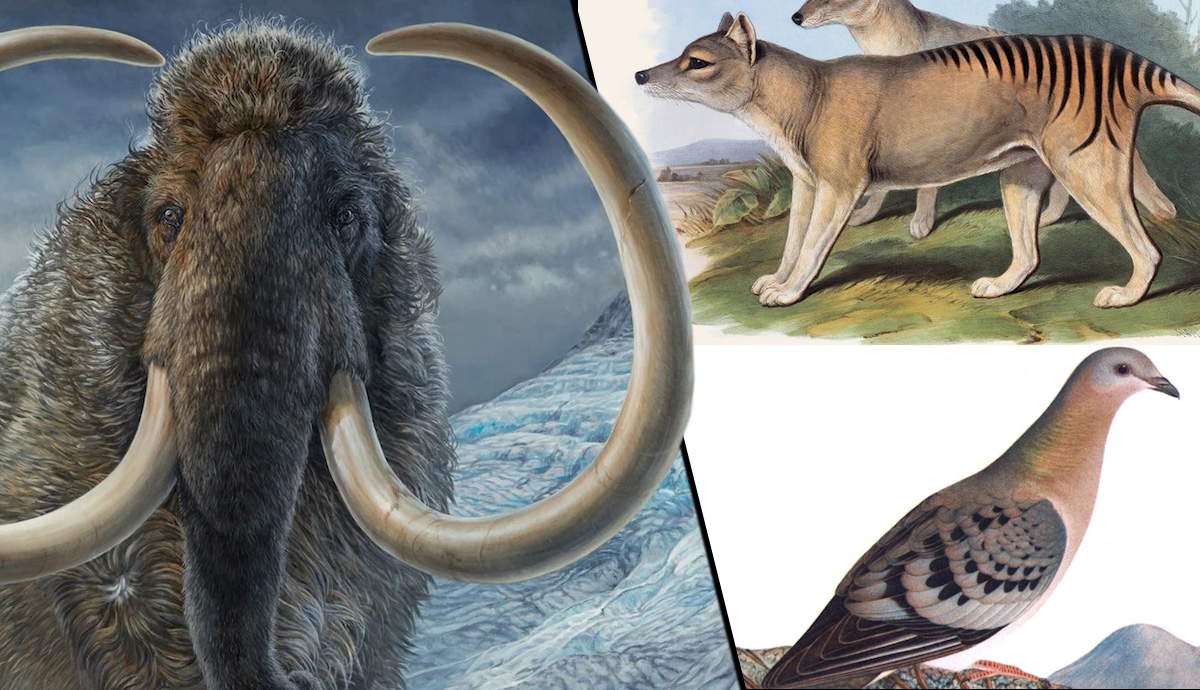
A. The thylacine (Tasmanian tiger) – Last confirmed in 1936. Thousands of unconfirmed sightings in Tasmania and Papua New Guinea keep hope alive, though most experts believe it is extinct.
B. The ivory-billed woodpecker – Last universally accepted sighting in 1944. Occasional video evidence and acoustic recordings are hotly debated. Searches continue in Arkansas and Louisiana.
C. The Zanzibar leopard – Declared extinct in 1998 after years of hunting. Local hunters still claim to see it in the island’s central forests.
D. The pink-headed duck – Last confirmed in 1949 in Myanmar. Recent expeditions have found potential habitats but no birds.
E. The giant Palouse earthworm – Last seen in the 1980s. This white, lily-scented worm from Washington State can grow to three feet long. It is said to spit, adding to its legendary status.
Advances in genetic engineering now raise a separate but related question: should we attempt to “de-extinct” species using DNA from preserved specimens? Companies like Colossal Biosciences are working to bring back the woolly mammoth, the dodo, and the thylacine. However, de-extinction is not the same as rediscovery. A lab-created animal is not a survivor; it is a restoration project. Moreover, without the original habitat and prey species, a resurrected animal would have nowhere to go.
For now, the most urgent and rewarding work is to find and protect the survivors that are still clinging to existence. Each rediscovery of an old animal species is a reminder that extinction is not always permanent. It is a call to action, a second chance granted by nature, and an opportunity to rewrite the ending of a story we thought was already finished.
 Conclusion
The sudden rediscovery of ancient species like the coelacanth, Fernandina tortoise, night parrot, Bermuda petrel, and Laotian rock rat shatters the assumption that once a species is declared extinct, it is gone forever. These living fossils emerge from remote refugia, hidden in plain sight, often because humans were not looking carefully enough or in the right places.
Each Lazarus species teaches us humility. We do not know as much about Earth’s biodiversity as we think we do. More importantly, these rediscoveries offer a narrow but real window for conservation action. With modern technology, targeted protection, and public support, we can prevent a second extinction.
The question is no longer whether ancient species can reappear. They do, and they will continue to do so. The real question is whether, when they surface, we will be ready to protect them or whether we will let them slip away for a second and final time.